

Shipping Conex
Blog
10 Shipping Container Ideas That Can Save You Thousands

Are you searching for creative and budget-friendly solutions for your next project? Shipping containers can be a real game-changer. They provide a flexible and affordable way to make unique spaces for many needs, from starting a business to creating a new living area.

Using shipping containers can cut down on costs compared to traditional building methods. Whether you’re a non-profit or an individual wanting to save money, these containers can be transformed to fit your needs. By looking into different shipping container ideas, you can find ways to save thousands of dollars.
Key Takeaways
- Discover cost-effective solutions using shipping containers.
- Explore various uses for shipping containers, including commercial and living spaces.
- Learn how to save money by repurposing shipping containers.
- Understand the versatility of shipping containers for different projects.
- Find inspiration for your next project using shipping container ideas.
Why Shipping Containers Are Cost-Effective Building Blocks
Repurposing shipping containers is smart for many projects. It cuts down waste and saves money on materials.
The Economics of Repurposed Containers
Building with shipping containers can save a lot of money. The cost of a container is often less than buying new materials. Containers are also strong and can handle tough weather, so you don’t need to add extra support.
| Cost Component | Traditional Construction | Shipping Container |
|---|---|---|
| Material Costs | $100,000 | $30,000 |
| Labor Costs | $50,000 | $20,000 |
| Total Cost | $150,000 | $50,000 |
Durability and Longevity Benefits
Shipping containers are made to last, lasting over 25 years with care. They save money on repairs and replacements. Plus, they can handle extreme weather, making them a solid choice for any climate.
Sustainability Advantages
Using shipping containers is good for the planet. It reduces the need for new materials and cuts down on waste. This choice makes your project more appealing to those who care about the environment.

Shipping containers offer economic, durability, and sustainability benefits. They help create affordable and creative building solutions.
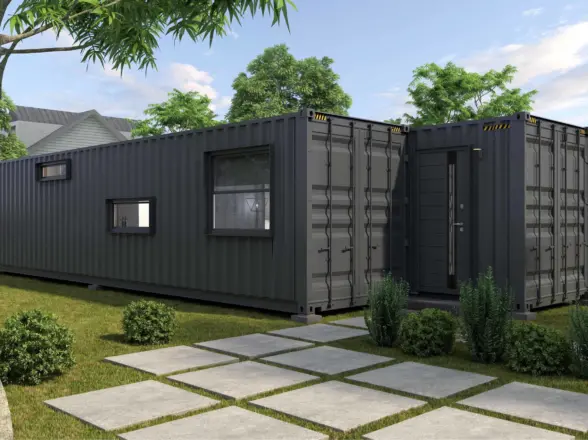
Transform a Container into an Affordable Tiny Home
Shipping containers are a great way to build tiny homes that save money and are good for the planet. With housing costs going up, turning a shipping container into a tiny home is a smart choice. “The tiny house movement is not just about downsizing; it’s about living more intentionally,” says a tiny home enthusiast.

Step-by-Step Planning and Design Process
To turn a shipping container into a tiny home, you need a detailed plan. First, decide your budget and pick the right container. Then, design the layout, thinking about insulation, ventilation, and where to put windows and doors.
Essential Modifications and Insulation Techniques
Adding insulation is key to making the container cozy. You can use spray foam or insulated panels to keep it warm or cool. Also, installing climate control systems makes it comfy all year.
Cost Breakdown: Save Up to 60% Compared to Traditional Housing
One big reason to choose a shipping container tiny home is the money you save. You can cut costs by up to 60% compared to regular houses. Here’s a quick look at the costs:
- Container purchase: $1,500 – $3,000
- Modifications and insulation: $10,000 – $15,000
- Finishing touches (plumbing, electrical, etc.): $8,000 – $12,000
Permit Requirements and Zoning Considerations
Before you start, check the local rules and zoning laws. These can change a lot, and following them is important to avoid trouble.
DIY vs. Professional Installation Comparison
Choosing between doing it yourself or hiring pros depends on your skills, budget, and project size. DIY can be cheaper, but pros ensure quality and follow building codes.
With careful planning and execution, your shipping container tiny home can be a cost-effective, eco-friendly, and cozy place to live.
Create a Backyard Office or Studio Space
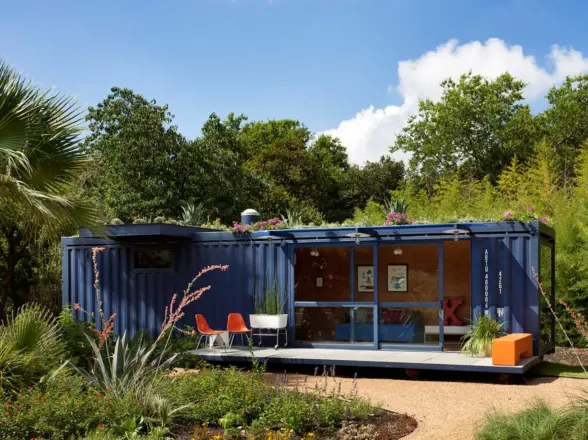
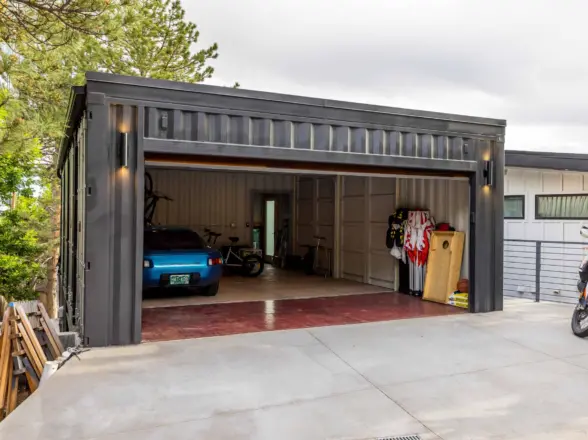
Turning a shipping container into a home office or studio is a smart move for those needing a quiet spot to work. It lets you make a space that boosts your productivity and creativity.
Site Preparation and Foundation Options
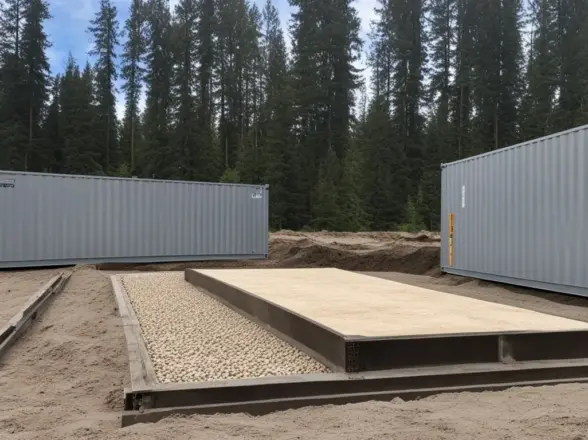
Before setting up your container office, you must prepare the site. This means clearing the area, making sure the ground is level, and laying a foundation. You can pick from a concrete slab, piers, or a gravel base, based on your budget and local rules.
Electrical, HVAC, and Connectivity Solutions
To make your container office workable, you’ll need to add electrical, HVAC, and connectivity systems. This includes:
- Running electricity to the container
- Installing climate control systems for comfortable temperatures
- Ensuring reliable internet connectivity
These systems help you work comfortably and efficiently in your new office.
Cost Analysis: Avoiding Rent and Commuting Expenses
Having a backyard office saves a lot of money. You avoid rent and commuting costs. Here’s how much you can save:
| Expense | Traditional Office | Container Office |
|---|---|---|
| Rent | $1,000/month | $0 |
| Commuting | $200/month | $0 |
Choosing a shipping container office can save you up to $1,200 a month.
Weekend Warrior Installation Guide
If you’re good with your hands and have a weekend free, you can set up your container office yourself. Here’s a simple guide:
- Prepare the site and lay the foundation
- Place the container on the foundation
- Install electrical and HVAC systems
- Finish the interior with insulation, drywall, and flooring

Generate Passive Income with Container Rental Properties
Shipping containers can be turned into cozy rental spots. They offer a steady income. With more people seeking unique stays, your containers can be a hit.
Converting Containers for Short-Term Rental Markets
To make containers into rentals, focus on comfort and function. Add a kitchenette, bathroom, and comfy beds.
Essential Amenities and Design Elements
Key design points include:
- Natural lighting and ventilation
- Smart storage solutions
- Aesthetic appeal through interior design
Financial Projections and Break-Even Timeline
When planning finances, think about the initial cost, ongoing expenses, and income. A smart container rental can pay off in a few years.
| Initial Investment | Ongoing Expenses | Potential Revenue |
|---|---|---|
| $50,000 | $5,000/year | $15,000/year |
Marketing Strategies for Unique Container Accommodations
To draw in guests, use online marketing. Emphasize what makes your rentals special. As
The future of travel is not just about destinations, but about experiences.

Launch a Low-Cost Mobile Business in a Container
Shipping containers are a great way to start a mobile business. They are affordable and flexible. You can turn a container into a store, food truck, or service center. This lets you reach more customers and adjust to market changes.
Designing Functional Retail and Food Service Spaces
When setting up your container business, use space wisely. Think about the layout, electrical and plumbing needs, and how to make it look appealing. For example, a coffee shop in a container can have a counter, seats, and display cases. This makes it welcoming for customers.

Mobility and Location Flexibility Advantages
One big plus of a container business is how easy it moves. You can take it to festivals, events, or busy spots to get more people to see it. This lets you try out different places and change your plan if needed.
Startup Cost Comparison: Traditional vs. Container Business
Starting a container business is much cheaper than a traditional one. You save on rent, building, and utility costs. For instance, turning a container into a coffee shop might cost $20,000 to $50,000. But a regular coffee shop could cost over $100,000 to start.
Permitting and Health Department Requirements
Before starting your container business, make sure you follow local rules. You’ll need permits and to meet health standards. This includes getting zoning approvals, business licenses, and health checks. Knowing these rules helps you avoid fines and keeps your business running smoothly.
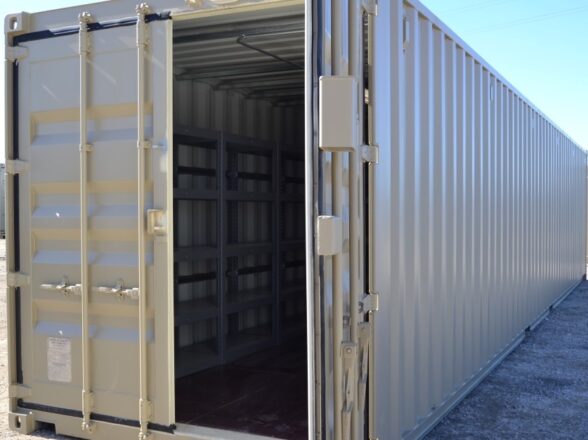
Implement Secure and Affordable Storage Solutions
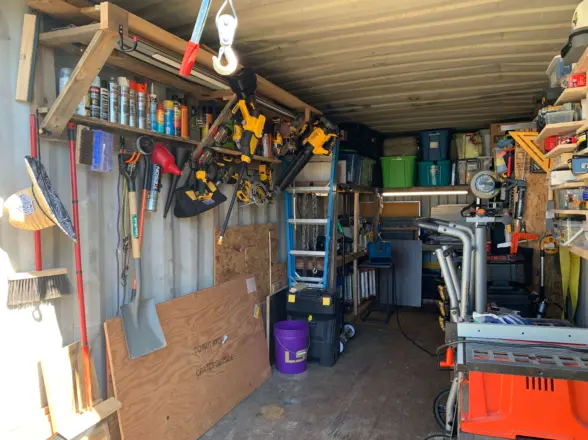
You can turn shipping containers into safe and budget-friendly storage. They’re great for storing equipment, inventory, or personal items. Shipping containers are versatile and save you money.
Customizing Containers for Specialized Storage Needs
Shipping containers can be tailored to fit your storage needs. You can add shelving, racks, or compartments for better organization. They can also be fitted with climate control to protect sensitive items from extreme temperatures.

Weather and Pest-Proofing Techniques
To keep your items safe, weather and pest-proof your container. Seal gaps, apply a waterproof coat, and use pest control like rodent traps or repellents.
Cost Savings Over Commercial Storage Facilities
Using a shipping container for storage can save you a lot of money. Here’s a cost comparison:
| Storage Option | Initial Cost | Monthly Cost |
|---|---|---|
| Shipping Container | $2,000 – $5,000 | $0 (after purchase) |
| Commercial Storage | $0 (rental) | $100 – $300 |
Organization Systems for Maximum Efficiency
To make your container storage more efficient, try these:
- Shelving units for vertical storage
- Labeling systems for easy identification
- Compartmentalization for separating different types of items
Customizing and organizing your container makes it a secure and affordable storage solution.
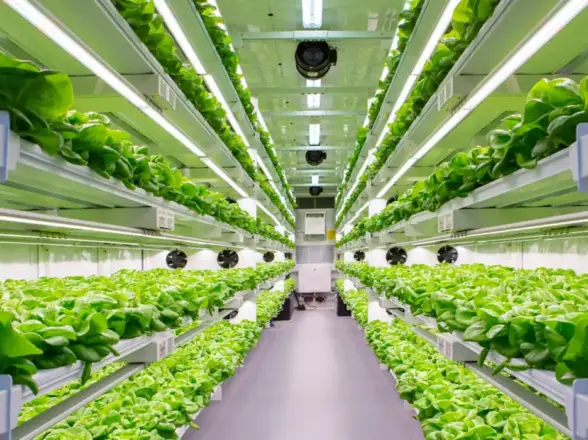
Build a Container Greenhouse or Vertical Farm
Transform an old shipping container into a green space for plants. It’s a smart way to grow food sustainably and affordably. This method is a great alternative to traditional farming.
Structural Modifications for Optimal Growing Conditions
To make a good home for plants, some changes are needed. You’ll have to add insulation to keep temperatures steady. Also, ventilation systems are key for fresh air. And, supplemental lighting ensures plants get enough light.

Irrigation and Climate Control Systems
Good irrigation and climate control are vital. Think about using a hydroponic or aeroponic system for watering. Climate control systems, like heaters and coolers, keep the environment stable.
ROI Analysis: Growing Your Own Food vs. Store-Bought
Growing your own food can save a lot of money. By making your own fruits and veggies, you cut down on store-bought costs. This can save you hundreds each year.
Year-Round Growing Strategies
To get the most from your investment, use year-round growing strategies. Techniques like row covers or cold frames can extend the growing season. This way, you can harvest continuously and maximize your space.
10 Shipping Container Ideas That Can Save You Thousands on Construction Projects
Construction companies can save a lot by using shipping containers. They can turn these containers into offices, storage, and more. This method is cheaper than traditional ways and makes projects run smoother.

Converting Containers into Temporary Workspaces
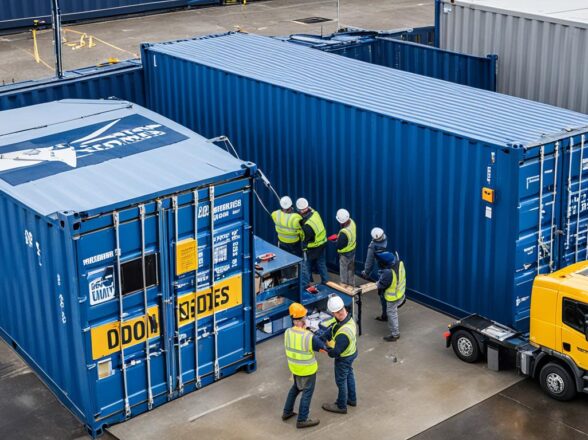
Shipping containers can become offices and meeting rooms on construction sites. They can be set up with things like electricity and internet. This makes a good place for project managers and workers to work.
Benefits of temporary workspaces in shipping containers include:
- They cost less than renting or building temporary places
- They can be moved easily on the site
- They keep equipment and documents safe
Multi-Container Project Management Hubs
For big projects, you can use many containers together. They can have offices, meeting rooms, and storage. This makes a secure place for all project needs.
The advantages of multi-container hubs include:
- They make project management more efficient
- They help team members and stakeholders talk better
- They keep project resources and documents organized
Equipment Protection and Security Solutions
Shipping containers can also store equipment and materials safely. Adding security like cameras and alarms helps protect assets from theft and damage.
Case Study: Construction Company Savings
A construction company used shipping containers for offices and storage. They saved 30% on temporary facilities and finished projects faster. This shows how using shipping containers can save money and improve projects.
This example shows the value of sustainable shipping container construction. It helps companies save money and build more sustainably.
Install a DIY Container Swimming Pool for a Fraction of the Cost
Building a DIY container swimming pool is a smart way to get a luxury pool at a lower cost. By using a shipping container, you can save money with shipping containers and add a special feature to your backyard.

Structural Reinforcement and Waterproofing Steps
To turn a shipping container into a pool, you need to make it strong enough for water. This means adding supports inside and making sure it’s securely anchored. Waterproofing is key to stop leaks and rust.
Filtration, Heating, and Safety Features
A good pool needs a strong filtration system, a way to heat it, and safety measures. You can use a standard filter and solar heating to keep it warm. Safety features like fences and alarms are vital to avoid accidents.
Maintenance Requirements and Seasonal Considerations
Keeping your pool clean and safe requires regular care. This includes checking the filter, cleaning the pool, and doing seasonal checks for winter or summer.
Cost Comparison: Container Pool vs. Traditional Installation
As shipping container ideas grow, the cost savings of a container pool are clear. A traditional pool can cost over $50,000. But a DIY container pool can be built for $15,000 to $30,000, depending on what you add.
Using shipping containers as swimming pools not only saves money but also offers a sustainable and unique solution for homeowners.
Choosing a container pool means saving money and living more sustainably. With careful planning and work, your DIY container pool will be a refreshing spot for many years.
Establish Community and Educational Spaces
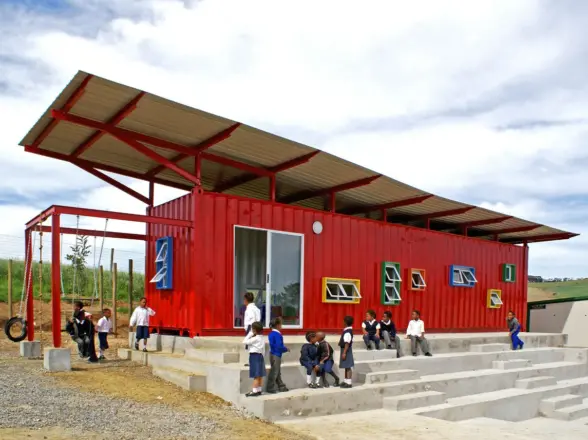
You can turn shipping containers into lively community and educational areas. These spaces can help people grow and learn. They can be used for classrooms or community centers.
Designing Multi-Purpose Container Classrooms
Think about natural light, insulation, and flexibility when designing classrooms. Add big windows, solar panels, and movable furniture for the best learning space.
- Use movable walls to change the layout easily
- Choose eco-friendly materials and energy-saving systems
- Make sure there’s good air flow and sound insulation
Collaborative Planning and Resource Sharing
Working together is crucial for container-based projects. Talk to local people, teachers, and community members to plan and get resources.
Funding Options and Community Engagement Strategies
Look into grants, crowdfunding, and local business partnerships for funding. Create plans to get the community involved and support your project.
Success Stories and Lessons Learned
Many groups have made shipping containers into great community spots. Look at their success to learn and improve your project.
Conclusion: Maximizing Your Investment in Container Projects
Repurposing shipping containers lets you create unique and useful spaces. This article has shown how you can save money and solve problems creatively.
Looking to build a tiny home, backyard office, or rental property? Shipping containers are a great, affordable choice. With good planning, you can make the most of your investment and enjoy your project for many years.
When starting your own shipping container project, think creatively. These structures can be used for many things, like storage or community areas. The possibilities are endless.
By exploring the creative side of shipping container repurposing, you can find new ways to save, innovate, and achieve personal goals.
FAQ
What are the benefits of using shipping containers for construction projects?
Shipping containers are a cost-effective, durable, and sustainable option for projects. They can save you thousands of dollars compared to traditional methods.
What are the advantages of using shipping containers for storage needs?
Shipping containers offer a secure and affordable storage solution. You can customize them to fit your needs and weatherproof them to protect your belongings.
Can I generate passive income by converting shipping containers into rental properties?
Yes, converting shipping containers into rental properties can be lucrative. Design and equip them with essential amenities to attract renters and generate passive income.
What are the benefits of building a container greenhouse or vertical farm?
Building a container greenhouse or vertical farm lets you grow your own food. This reduces reliance on store-bought produce. You can analyze the ROI and enjoy year-round growing with proper systems.
Are shipping containers suitable for community and educational spaces?
Yes, shipping containers can be repurposed as community and educational spaces. Design them for collaborative planning and resource sharing. Explore funding options and community engagement strategies.
What are some innovative shipping container designs?
Innovative designs include container homes, offices, and greenhouses. You can also explore DIY projects like container swimming pools and storage solutions. This finds creative uses for shipping containers.
How do I ensure the sustainability of my shipping container project?
To ensure sustainability, repurpose existing containers and use eco-friendly materials. Implement energy-efficient systems. This reduces your environmental footprint and maximizes your investment.
Shipping containers are so tough, they come with a 25-year warranty!
At Shipping Conex – Official Affiliate of Used Conex LLC you have the opportunity to get a FREE quote today and unlock the endless possibilities that shipping containers can bring to your storage space. By simply filling out a quick form on our website, you can take the first step towards transforming your cluttered storage area into a well-organized and efficient haven for your belongings.
How can I transform a shipping container into a tiny home?
To turn a shipping container into a tiny home, plan and design the space first. Then, make necessary modifications and install insulation. This can save up to 60% compared to traditional housing costs.
How do I launch a mobile business using a shipping container?
To launch a mobile business in a shipping container, design a functional space. Take advantage of mobility and location flexibility. Compare startup costs to traditional businesses.
How can I save money with shipping container projects?
Repurposing shipping containers can save money on construction and storage. Consider cost-effective ideas like tiny homes, backyard offices, and container greenhouses to maximize your investment.