

Shipping Conex
Blog
How to Turn a Shipping Container Into a Tiny Home

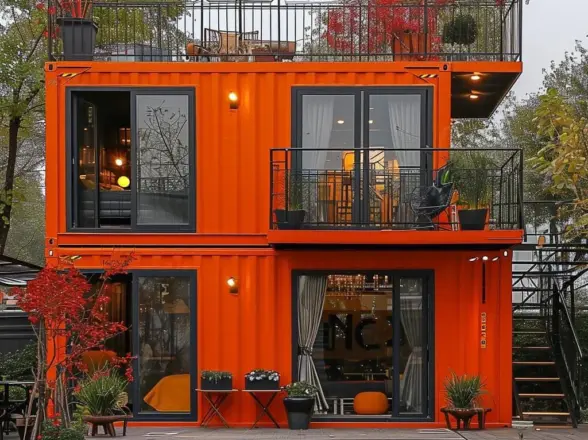
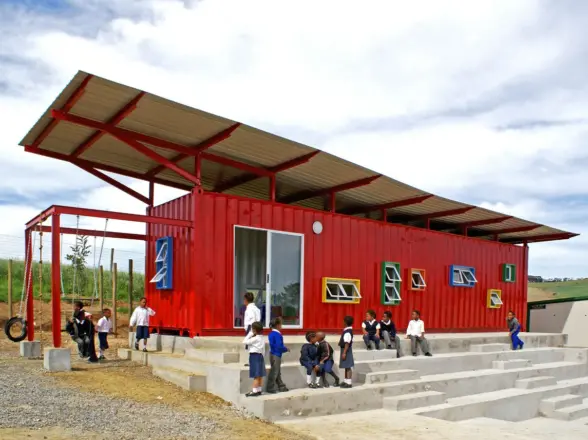
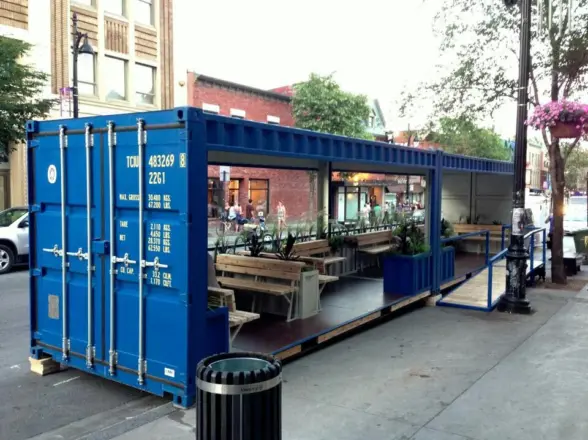
You’re considering an unconventional housing option that’s both cost-effective and environmentally friendly: turning a shipping container into a tiny home. This innovative approach to housing has gained popularity in recent years due to its sustainability and affordability.

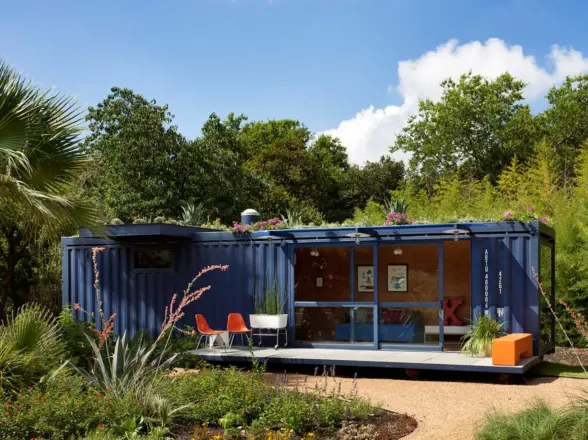
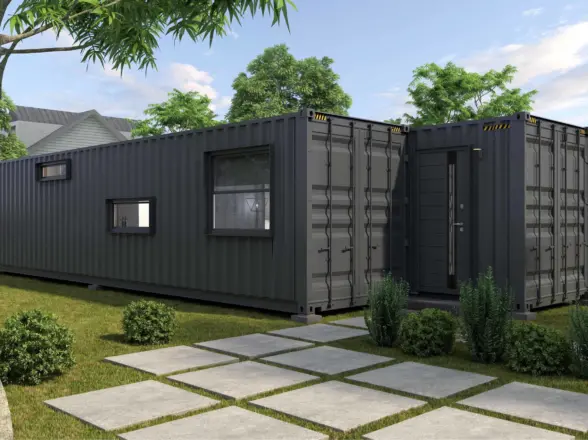
Container homes offer a unique living space that can be customized to meet your needs. The process of shipping container conversion involves transforming a used container into a cozy and functional home.
As you explore this option, you’ll discover the benefits and challenges associated with container homes. This article will guide you through the process, providing valuable insights and practical tips on how to successfully convert a shipping container into a tiny home.
Key Takeaways
- Understand the benefits of container homes, including cost-effectiveness and sustainability.
- Learn about the challenges associated with shipping container conversion.
- Discover the key steps involved in converting a shipping container into a tiny home.
- Explore design and customization options for your container home.
- Get practical tips on preparing your container home for occupancy.
Understanding Shipping Container Homes
As the world shifts towards sustainable living, shipping container homes have emerged as a viable option. You can benefit from the eco-friendly and cost-effective nature of these structures.
Benefits of Container Living
Shipping container homes offer several advantages, including durability and flexibility. They can be easily modified to suit your needs and are generally more affordable than traditional housing.
Challenges to Consider
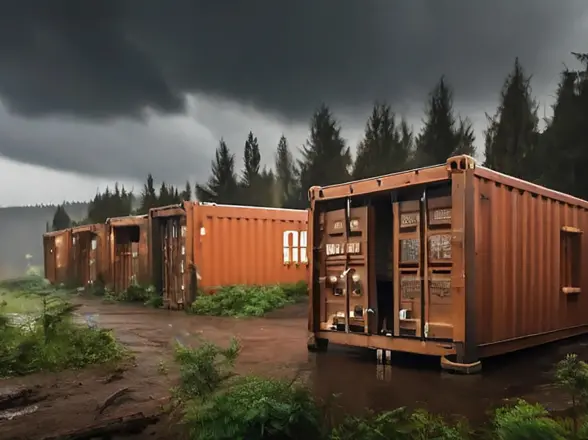
Despite the benefits, there are challenges to consider, such as insulation and structural integrity. Proper planning is essential to overcome these issues.
Types of Shipping Containers Available
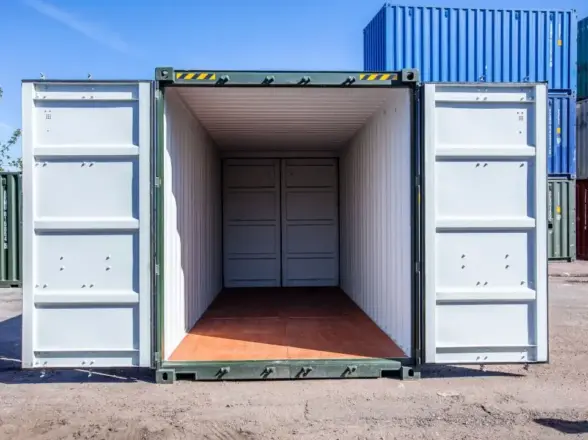
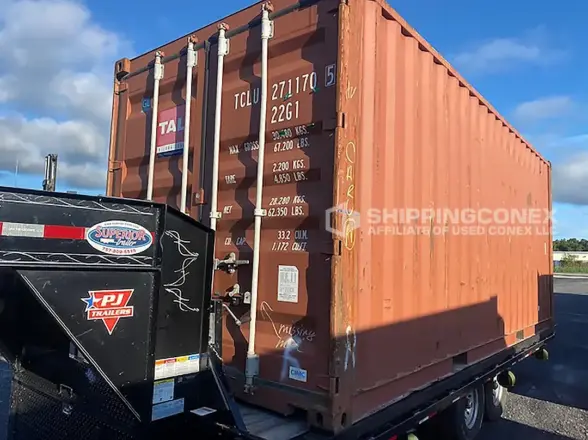
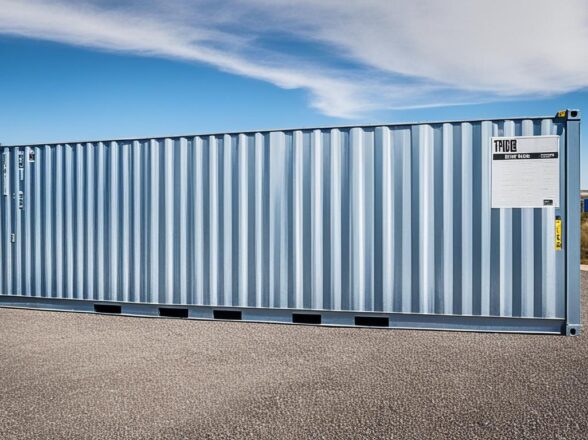
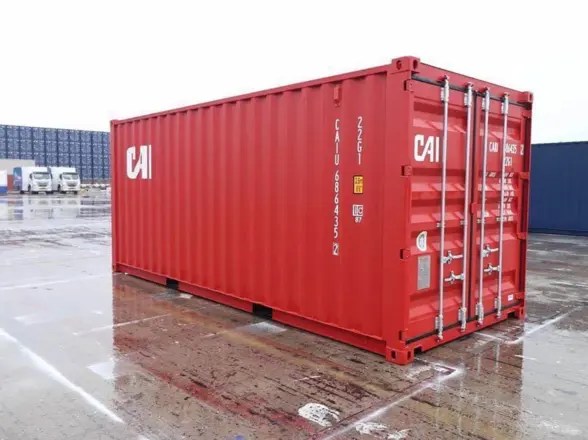
There are various types of shipping containers that can be converted into homes. The most common types include dry storage containers, refrigerated containers, and flat rack containers.

| Container Type | Size | Features |
|---|---|---|
| Dry Storage | 20-40 ft | Standard, versatile, and widely available |
| Refrigerated | 20-40 ft | Insulated, temperature-controlled |
| Flat Rack | 20-40 ft | Open sides, ideal for large or oversized cargo |
Understanding these options can help you make an informed decision when selecting a shipping container for your home.
Planning Your Container Home Project
Embarking on a shipping container conversion project requires meticulous planning to ensure a smooth transition from concept to reality. As you consider turning a shipping container into your DIY tiny house, careful planning is crucial for achieving compact living solutions.
Setting a Realistic Budget
Establishing a realistic budget is the first step in your container home project. Costs can quickly escalate if not carefully managed. Consider the price of the container, modifications, labor, and materials. A well-planned budget helps you stay on track financially.
Timeline Expectations
Understanding the timeline for your project is vital. From purchasing the container to completing the interior, several factors can influence the duration. Be prepared for potential delays and factor them into your overall project timeline.
DIY vs. Hiring Professionals
One of the critical decisions you’ll make is whether to undertake the conversion as a DIY project or hire professionals. While DIY can save on labor costs, it requires significant expertise. Hiring professionals can ensure a smoother process but at a higher upfront cost.
Essential Tools and Equipment
Regardless of whether you choose DIY or hire professionals, having the right tools and equipment is essential. This includes welding equipment, cutting tools, and safety gear. Ensuring you have the necessary resources will help your project progress efficiently.

As emphasized by experts, “Proper planning and preparation are key to a successful shipping container home conversion.” By carefully considering your budget, timeline, and approach, you can create a beautiful and functional home.
Legal Considerations and Permits
Before you start your container home project, it’s crucial to understand the legal framework that governs such conversions. This knowledge will help you navigate the process more smoothly and avoid potential legal issues down the line.
Zoning Laws and Building Codes
Zoning laws and building codes vary significantly by location, so it’s essential to research the specific regulations in your area. These laws dictate how you can use your land and the type of structure you can build on it.
Required Permits
To legally convert a shipping container into a home, you’ll need to obtain the necessary permits. These may include building permits, electrical permits, and plumbing permits, among others.
| Permit Type | Description | Typical Cost |
|---|---|---|
| Building Permit | Covers the overall construction process | $500-$2,000 |
| Electrical Permit | Covers electrical work and installations | $100-$500 |
| Plumbing Permit | Covers plumbing installations and connections | $100-$500 |
Insurance Considerations
You should also consider insurance options for your container home. Standard homeowner’s insurance may not cover container homes, so you may need to look into specialized insurance policies.
Working with Local Authorities
Building a positive relationship with local authorities can make the permitting process much easier. Be prepared to provide detailed plans and specifications for your project.

Selecting the Right Shipping Container
When it comes to converting a shipping container into a tiny home, the container you choose is paramount. Your selection will significantly impact the overall cost, functionality, and aesthetic appeal of your new home.
New vs. Used Containers
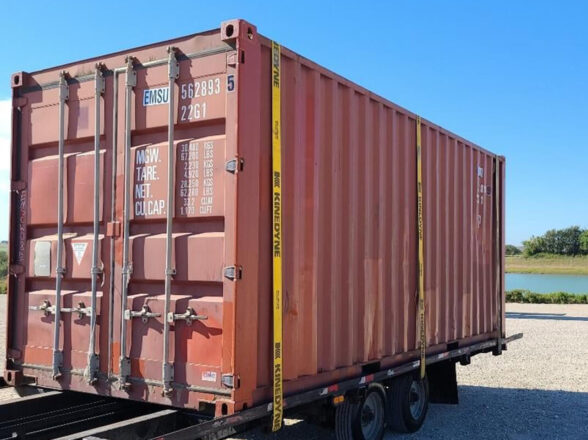
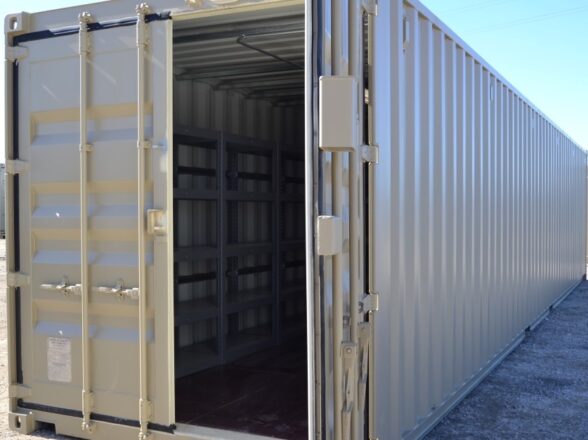
One of the first decisions you’ll need to make is whether to opt for a new or used shipping container. New containers offer the advantage of being in pristine condition, with no signs of wear or potential hidden damages. However, they come at a higher cost. Used containers, on the other hand, are more budget-friendly but may require additional inspections to ensure they are structurally sound.
Container Sizes and Dimensions
Shipping containers come in various sizes, with the most common being 20 feet and 40 feet in length. The width typically ranges between 8 to 8.5 feet, and the height can vary from 8.5 to 9.5 feet. Consider the space you need and the transportation logistics when deciding on the size.

Inspecting for Structural Integrity
Inspecting the container for any signs of damage or rust is crucial. Look for dents, holes, or weakened areas that could compromise the structural integrity. Ensuring the container is sound will save you from future headaches and costly repairs.
Where to Purchase Containers
You can purchase shipping containers from a variety of sources, including local dealers, online marketplaces, and directly from shipping companies. Research the seller’s reputation and ensure they provide detailed information about the container’s condition.
Transportation Logistics
Once you’ve purchased your container, you’ll need to consider how to transport it to your site. This involves hiring a professional transport service that can safely deliver the container. Factor in the cost of transportation when budgeting for your project.
Designing Your Container Home Layout
The key to a successful container home lies in its layout and design. A well-planned layout can make a significant difference in how comfortable and functional your tiny home is.
Space Planning Essentials
Effective space planning is crucial in small space living. You need to optimize every available square foot. Start by identifying the essential areas you need, such as a bedroom, kitchen, and bathroom. Consider the flow of your home and how you can create separate spaces within the container.
Single vs. Multi-Container Designs
You have the option to use either a single container or multiple containers connected together. Single containers are ideal for smaller homes or starter homes, while multi-container designs offer more space and flexibility. Consider your needs and budget when deciding.
Creating Functional Floor Plans
To create a functional floor plan, you need to consider the dimensions of your container and how you can best utilize the space. Use design software or consult with a professional to create a floor plan that meets your needs.
Design Software and Resources
There are various design software and resources available to help you plan your container home layout. Some popular options include SketchUp, Floorplanner, and Homestyler. These tools can help you visualize your design and make necessary adjustments.
Maximizing Natural Light
Maximizing natural light is essential in small spaces. Consider adding windows, skylights, or solar tubes to bring in more light. You can also use mirrors to reflect natural light and make your space feel larger.
| Design Element | Benefit |
|---|---|
| Windows | Bring in natural light and improve ventilation |
| Skylights | Provide additional natural light and create a sense of openness |
| Mirrors | Reflect natural light and create the illusion of more space |
By considering these design elements and utilizing the right resources, you can create a functional and comfortable container home that meets your needs.
Site Preparation and Foundation Options
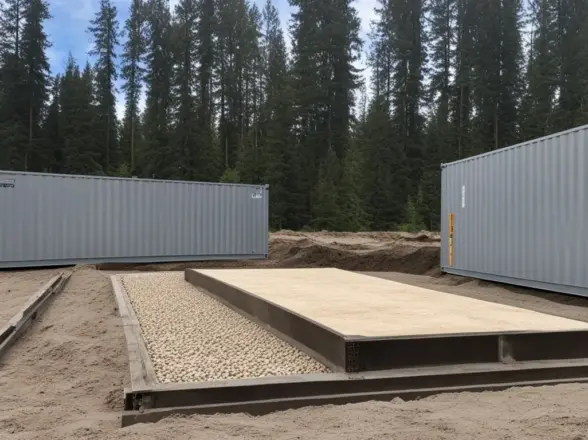
Preparing the site for your container home is a crucial step that ensures the stability and longevity of your new dwelling. This process involves several key considerations to transform a plot of land into a solid foundation for your home.
Choosing the Right Location
When selecting a location for your container home, you must consider factors such as accessibility, drainage, and environmental conditions. Ensure that the land is level or can be easily leveled, and that it’s not prone to flooding or other natural hazards.
Foundation Types for Container Homes
There are several foundation options for container homes, including strip foundations, pier foundations, and slab foundations. The choice depends on the soil type, climate, and design of your container home.
Leveling and Securing Your Container
Once the foundation is laid, it’s essential to level and secure your container to prevent shifting or settling that could damage the structure. This involves using appropriate anchoring systems to tie the container to the foundation.
Drainage Considerations
Proper drainage is critical to prevent water accumulation around your container home, which can lead to erosion or water damage. Ensure that the site slopes away from the container and consider installing a drainage system if necessary.
How to Turn a Shipping Container Into a Tiny Home: Structural Modifications
When converting a shipping container into a tiny home, structural modifications are crucial for creating a safe and functional living space. These modifications not only enhance the aesthetic appeal of your container home but also ensure its durability and comfort.
Cutting Openings for Windows and Doors
One of the primary structural modifications involves cutting openings for windows and doors. This process requires precision to maintain the structural integrity of the container. It’s essential to use the right tools, such as a plasma cutter or a reciprocating saw, to make clean cuts.
Reinforcing the Structure
After cutting openings, reinforcing the structure is vital to prevent weakening the container’s framework. This can be achieved by adding steel frames around the cut-out areas. Reinforcing ensures that the container remains sturdy and can withstand various environmental conditions.
Combining Multiple Containers
For larger living spaces, combining multiple containers is a common practice. This involves aligning the containers and welding them together. Proper alignment and secure welding are critical to create a unified, sturdy structure.
Safety Considerations When Cutting Steel
Safety is paramount when making structural modifications, especially when cutting steel. It’s crucial to wear appropriate protective gear and use the correct tools to avoid accidents.
Proper Tools for Cutting Containers
The right tools for cutting steel include plasma cutters, reciprocating saws, and angle grinders. Each tool has its advantages and is suited for different types of cuts.
Protective Equipment Requirements
Protective equipment is essential for safeguarding against injuries. This includes gloves, safety glasses, and a welding helmet. Ensuring that you have the proper protective gear can significantly reduce the risk of injury when working with power tools and cutting steel.
| Tool | Use | Safety Precaution |
|---|---|---|
| Plasma Cutter | Precise cutting of steel | Wear gloves and safety glasses |
| Reciprocating Saw | Cutting through metal | Use a metal cutting blade and wear protective gloves |
| Angle Grinder | Grinding and polishing metal | Wear safety glasses and a dust mask |
As emphasized by industry experts, “Safety isn’t just about avoiding injuries; it’s about creating a culture that prioritizes well-being and responsible practices.” Ensuring safety while making structural modifications is not just about compliance but about creating a safe working environment.
Insulation and Weatherproofing
To ensure your shipping container home is both cozy and sustainable, it’s essential to focus on effective insulation and weatherproofing strategies. Proper insulation helps maintain a comfortable temperature inside the container, reducing the need for heating and cooling, which in turn lowers energy costs. Weatherproofing, on the other hand, protects the container from the elements, preventing water ingress and reducing the risk of rust and corrosion.
Insulation Options for Metal Containers
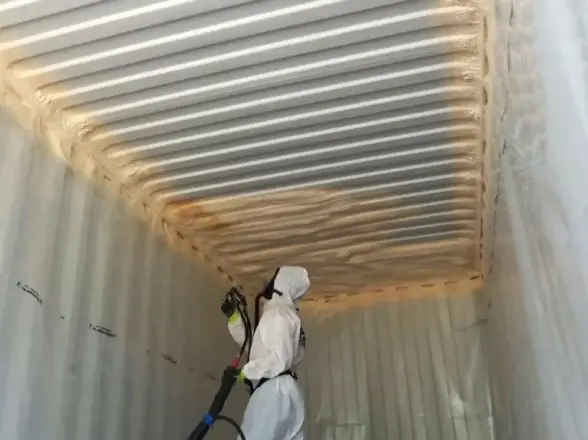
When it comes to insulating metal containers, there are several options to consider. Spray foam insulation is a popular choice due to its high R-value (a measure of thermal resistance) and ability to fill gaps and crevices, providing a tight seal. Another option is rigid foam board insulation, which is easy to install and can be cut to fit various spaces. Reflective insulation, such as radiant barrier insulation, is also effective, especially in warmer climates, as it reflects heat away from the container.
- Spray foam insulation
- Rigid foam board insulation
- Reflective insulation
Dealing with Condensation Issues
Condensation is a significant concern in metal container homes, as it can lead to moisture buildup, mold, and rust. To mitigate this, it’s crucial to implement a vapor barrier on the warm side of the insulation to prevent moisture from entering the insulation layer. Ensuring good ventilation is also vital, as it helps to remove moisture-laden air from the container.
Proper ventilation is key to preventing condensation issues in container homes.” – Expert in Container Home Conversions
Roof Treatments and Waterproofing
The roof of your container home is particularly susceptible to weathering and requires adequate waterproofing. Applying a waterproof coating or membrane can protect the roof from leaks and damage. Regular inspections are necessary to identify and repair any damage or wear on the roof.
Climate-Specific Considerations
The climate in which your container home is located plays a significant role in determining the insulation and weatherproofing strategies. For instance, in colder climates, more emphasis is placed on insulation to retain heat, while in hotter climates, reflective insulation and shading devices can help keep the interior cool.
Vapor Barriers and Moisture Control
A vapor barrier is a critical component in controlling moisture within the container home. It should be installed on the warm side of the insulation to prevent moisture from entering the insulation. Properly sealing all penetrations and edges around windows and doors is also essential to maintain the integrity of the vapor barrier.
By carefully considering insulation options, addressing condensation issues, applying appropriate roof treatments, and implementing climate-specific strategies, you can ensure your shipping container home remains comfortable, energy-efficient, and durable over time.
Electrical Systems Installation
To power your container home efficiently, you’ll need to plan and install an appropriate electrical system. This involves several key considerations to ensure your home is both functional and safe.
Planning Your Electrical Layout
Careful planning of your electrical layout is essential to meet your energy needs. Start by identifying the electrical devices and appliances you plan to use, then calculate the total power required.
You should also consider the placement of outlets, switches, and lighting fixtures to ensure convenience and safety.
Off-Grid vs. Grid-Connected Options
You have two primary options for powering your container home: off-grid or grid-connected systems. Off-grid systems are ideal for remote locations where connecting to the main grid is not feasible or is too costly.
Grid-connected systems, on the other hand, offer the reliability of the main power grid and the option to sell excess energy back to the utility company through net metering.
Safety Considerations for Wiring Metal Structures
Wiring a metal container home requires special safety considerations. Metal is an excellent conductor of electricity, so proper insulation and grounding are crucial to prevent electrical shock.
Ensure that all wiring is done according to local electrical codes and standards, and consider hiring a professional if you’re not experienced with electrical work.
Solar Power Integration
Integrating solar power into your container home’s electrical system can significantly reduce your reliance on the grid and lower your energy bills.
Solar panels can be installed on the roof of your container home, providing a clean and renewable source of energy.
Energy-Efficient Lighting Solutions
Energy-efficient lighting is not only good for the environment, but it can also help reduce your energy consumption and costs. LED lighting is a popular choice for container homes due to its low energy usage and long lifespan.
Consider installing smart lighting controls to further optimize your energy usage.
Plumbing and Water Systems
Plumbing and water systems play a vital role in making your container home habitable and sustainable. A well-planned plumbing system ensures that you have access to clean water for drinking, cooking, and hygiene, while also managing waste water effectively.
Fresh Water Supply Options
You have several options for supplying fresh water to your container home. These include:
- Connecting to a municipal water supply
- Using a well or borehole
- Implementing a rainwater harvesting system
- Utilizing a water delivery service
Each option has its pros and cons, and the best choice for you will depend on your location, budget, and personal preferences.
Waste Water Management
Effective waste water management is crucial for maintaining a clean and healthy environment in your container home. You can achieve this through:
- Connecting to a municipal sewer system
- Installing a septic tank and drainfield
- Using a composting toilet
- Implementing a greywater recycling system
| Waste Water Management Option | Initial Cost | Maintenance Requirements |
|---|---|---|
| Municipal Sewer Connection | Moderate | Low |
| Septic Tank and Drainfield | High | Moderate |
| Composting Toilet | Low to Moderate | Moderate |
| Greywater Recycling System | High | High |
Installing Fixtures and Appliances
When installing plumbing fixtures and appliances, it’s essential to choose products that are water-efficient and suitable for your container home’s specific needs. Consider factors such as water pressure, flow rate, and energy efficiency.
Winterizing Your Plumbing
To prevent damage from freezing temperatures, it’s crucial to winterize your plumbing system. This involves insulating exposed pipes, draining water from outdoor faucets, and sealing any gaps or cracks in the plumbing system.
Water Conservation Strategies
Implementing water conservation strategies can significantly reduce your water consumption and lower your utility bills. Some effective strategies include:
- Installing low-flow showerheads and faucets
- Using a water-efficient washing machine and dishwasher
- Fixing leaks promptly
- Implementing a rainwater harvesting system
By carefully planning and implementing your plumbing and water systems, you can enjoy a comfortable, sustainable, and cost-effective living experience in your container home.
HVAC Solutions for Container Homes
Container homes present unique heating and cooling challenges that require tailored HVAC solutions. The metal structure of shipping containers can lead to extreme temperatures inside, making it essential to have an efficient climate control system.
Heating Options for Small Spaces
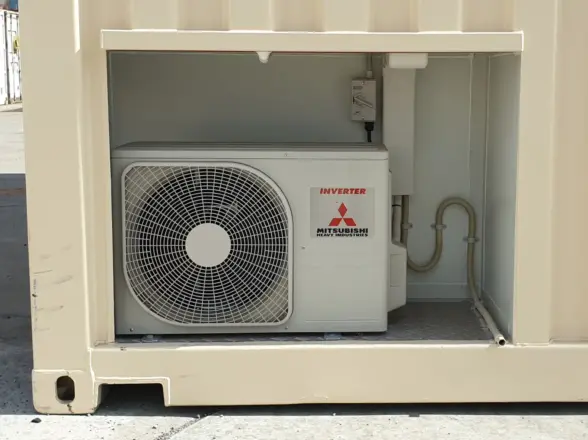
For small container homes, compact heating solutions are necessary. Options include mini-split heat pumps, radiant floor heating, and portable heaters. These systems provide efficient warmth without taking up too much space.
Cooling Strategies for Metal Structures
Cooling a metal container home requires careful consideration. Strategies include using reflective roofing materials, installing window awnings, and employing evaporative cooling systems. These methods help mitigate the heat absorbed by the metal exterior.
Ventilation Requirements
Adequate ventilation is crucial for maintaining air quality and regulating temperature. Installing vents or whole-house fans can help circulate air and reduce the need for mechanical cooling.
Energy-Efficient Climate Control
Energy efficiency is key to sustainable living in container homes. Using programmable thermostats, energy-efficient HVAC units, and smart home technology can significantly reduce energy consumption.
Passive Heating and Cooling Techniques
Passive techniques can greatly enhance the comfort of container homes. These include strategic window placement for natural light and ventilation, using thermal mass to regulate temperature, and incorporating shading devices to reduce direct sun exposure.
By implementing these HVAC solutions and techniques, you can create a comfortable and energy-efficient living space within your container home.
Interior Finishing and Design
The interior design of your container home is where functionality meets personal style. As you transform the steel container into a cozy living space, you’ll want to consider several key elements to make it feel like home.
Wall and Ceiling Treatments
Choosing the right wall and ceiling treatments can significantly impact the ambiance of your container home. You can opt for traditional drywall or explore alternative materials like plywood or reclaimed wood for a more rustic look. Consider adding insulation to your walls and ceiling to improve energy efficiency and reduce noise.
Flooring Options
When it comes to flooring, you have several options to choose from, including laminate, hardwood, and tile. Each has its pros and cons, so it’s essential to select the one that best fits your lifestyle and budget. For instance, laminate flooring is durable and cost-effective, while hardwood flooring adds a touch of warmth and sophistication.
Space-Saving Furniture Solutions
One of the challenges of living in a container home is the limited space. To maximize your living area, consider investing in space-saving furniture solutions like foldable tables, murphy beds, and nesting stools. These clever designs can help you create a functional living space without feeling cramped.
Storage Optimization Techniques
Effective storage is crucial in a container home. You can optimize your storage by using wall-mounted shelves, under-bed storage, and hidden compartments. Make the most of your vertical space by installing tall shelving units or storage cabinets.
Multi-Functional Room Design
Multi-functional room design is key to making the most of your container home’s limited space. Consider combining your bedroom and living room or incorporating a kitchenette into your main living area.
Bedroom/Living Room Combinations
A bedroom/living room combination can be achieved by using room dividers or curtains to separate the spaces. This design allows you to maintain an open feel while still defining different areas within your container home.
Kitchen and Dining Solutions
For kitchen and dining solutions, consider compact appliances and multi-functional furniture, such as a dining table with built-in storage. This approach helps maintain a clutter-free environment while maximizing functionality.
By incorporating these interior finishing and design strategies, you can create a comfortable, functional, and beautiful living space within your container home.
Exterior Finishing and Aesthetics
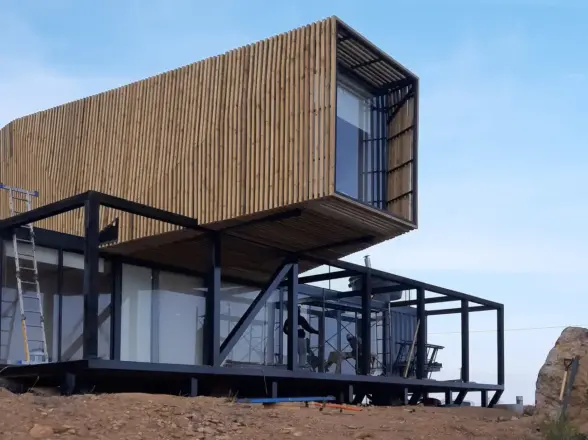
The exterior finishing of your container home not only protects it from the elements but also elevates its aesthetic appeal. A well-finished exterior can transform a simple shipping container into a beautiful and inviting home.
Siding Options to Disguise the Container
Choosing the right siding can significantly alter the appearance of your container home. Options include wood siding, vinyl siding, and stucco, each offering a unique look and level of durability. For instance, wood siding can add a natural, warm aesthetic, while vinyl siding provides low-maintenance durability.
Roofing Considerations
Roofing is a critical aspect of exterior finishing. You can choose from various materials such as metal roofing, asphalt shingles, or green roofing options. Each has its benefits, from durability to energy efficiency. For example, metal roofing is known for its longevity and ability to withstand harsh weather conditions.
Decks and Outdoor Living Spaces
Creating decks and outdoor living spaces can enhance your container home’s livability and appeal. These areas can be designed to blend seamlessly with the interior, expanding your living space. Consider using durable materials like composite decking to minimize maintenance.
Landscaping Around Your Container Home
Landscaping plays a crucial role in integrating your container home with its surroundings. Strategic planting and garden design can soften the container’s industrial look and create a welcoming atmosphere.
Landscaping is not just about beautifying the space; it’s about creating an ecosystem that complements the home.” – Expert Landscaper
Weather-Resistant Exterior Finishes
Applying weather-resistant finishes is essential to protect your container home from corrosion and damage. Use high-quality paints and coatings designed for metal surfaces to ensure longevity. Regular maintenance of these finishes will also help in preserving the home’s appearance and structural integrity.
Sustainable and Eco-Friendly Options
As you embark on turning a shipping container into your tiny home, incorporating sustainable and eco-friendly options can significantly reduce your environmental footprint. This not only benefits the planet but also enhances your living experience.
Rainwater Collection Systems
Implementing a rainwater collection system is a practical step towards sustainability. It involves installing a tank to store rainwater, which can then be used for various household needs, reducing your reliance on municipal water supplies.
Renewable Energy Integration
Integrating renewable energy sources, such as solar or wind power, into your container home can significantly reduce your carbon footprint. This can be achieved by installing solar panels or a wind turbine, depending on your location and energy needs.
| Renewable Energy Source | Benefits | Considerations |
|---|---|---|
| Solar Power | Abundant resource, reduces electricity bills | Initial installation cost, space requirements |
| Wind Power | Can be more efficient than solar in windy areas | Noise, visual impact, requires consistent wind |
Eco-Friendly Building Materials
Choosing eco-friendly building materials for your container home’s interior and exterior finishing can further enhance its sustainability. Materials such as reclaimed wood, bamboo, and low-VOC paints are excellent choices.
Composting Toilet Systems
Composting toilet systems offer a water-conserving alternative to traditional plumbing. These systems decompose waste, turning it into compost that can be safely disposed of or reused.
Reducing Your Carbon Footprint
Reducing your carbon footprint involves a combination of the strategies mentioned above, along with mindful consumption and waste reduction practices. By adopting these eco-friendly options, you can significantly minimize your environmental impact.
Maintenance and Long-Term Care
The key to a long-lasting container home lies in consistent and thorough maintenance. Regular upkeep not only ensures the durability of your home but also maintains its aesthetic appeal.
Preventing Rust and Corrosion
One of the primary concerns with container homes is rust and corrosion, particularly in humid or coastal environments. To mitigate this, apply a rust-inhibiting coating to the exterior and interior metal surfaces. Regularly inspect for signs of rust and address them promptly.
Seasonal Maintenance Checklist
Develop a seasonal checklist to stay on top of maintenance tasks. This should include inspecting the roof for damage, checking seals around windows and doors, and ensuring the foundation remains level.
Addressing Common Container Home Issues
Common issues include condensation, pest infestations, and structural damage. Regularly check for condensation and consider installing a dehumidifier. Seal any entry points to prevent pests and inspect the structure regularly for any signs of damage.
Extending the Lifespan of Your Container Home
By following a regular maintenance schedule and addressing issues promptly, you can significantly extend the lifespan of your container home. This includes keeping the exterior clean, repainting as needed, and ensuring all systems are functioning properly.
Conclusion
You now have a comprehensive understanding of how to turn a shipping container into a tiny home. From planning and designing to insulation and finishing, each step is crucial in creating a sustainable living space. By choosing a container home, you’re not only reducing waste but also embracing a more eco-friendly lifestyle.
As you’ve learned, converting a shipping container into a diy tiny house requires careful consideration of various factors, including legal considerations, structural modifications, and electrical systems installation. With the right guidance and resources, you can overcome these challenges and create a unique and functional living space.
Sustainable living is no longer a distant dream, and with container homes, it’s becoming a reality. By adopting this innovative approach to housing, you’re contributing to a more environmentally friendly future. So, take the first step towards turning your vision into a reality and start planning your container home project today.
FAQ
What are the benefits of turning a shipping container into a tiny home?
Shipping container homes offer several benefits, including affordability, sustainability, and the potential for compact living solutions. They can be a cost-effective and eco-friendly alternative to traditional housing.
What types of shipping containers are available for conversion?
There are various types of shipping containers available, including new and used containers, in different sizes and dimensions. You can choose from dry storage containers, refrigerated containers, and more, depending on your needs.
How do I plan a container home project?
Planning a container home project involves setting a realistic budget, establishing a timeline, deciding between DIY and hiring professionals, and gathering essential tools and equipment. You should also research local building codes and zoning laws.
What are the key considerations for designing a container home layout?
When designing a container home layout, consider space planning essentials, single vs. multi-container designs, and creating functional floor plans. You can use design software and resources to maximize natural light and optimize your space.
How do I ensure my container home is energy-efficient?
To make your container home energy-efficient, consider insulation options, solar power integration, energy-efficient lighting solutions, and HVAC solutions. You can also implement passive heating and cooling techniques to minimize energy consumption.
What are the most common challenges when converting a shipping container into a home?
Common challenges include potential structural issues, insulation and weatherproofing, and complying with zoning laws and building codes. You may also need to address condensation issues and ensure proper ventilation.
How can I make my container home sustainable and eco-friendly?
To make your container home sustainable, consider rainwater collection systems, renewable energy integration, eco-friendly building materials, and composting toilet systems. You can also reduce your carbon footprint by implementing energy-efficient solutions.
What maintenance is required for a container home?
Regular maintenance includes preventing rust and corrosion, performing seasonal checks, and addressing common issues. You can extend the lifespan of your container home by staying on top of maintenance tasks.
Can I use a shipping container as a permanent residence?
Yes, shipping containers can be used as permanent residences, but you must comply with local building codes, zoning laws, and obtain necessary permits. It’s essential to research and understand the regulations in your area.
How do I transport a shipping container to my project site?
Transporting a shipping container requires careful planning and logistics. You should research transportation options, consider the container’s size and weight, and ensure you have the necessary equipment and permits.
Shipping containers are so tough, they come with a 25-year warranty!
At Shipping Conex – Official Affiliate of Used Conex LLC you have the opportunity to get a FREE quote today and unlock the endless possibilities that shipping containers can bring to your storage space. By simply filling out a quick form on our website, you can take the first step towards transforming your cluttered storage area into a well-organized and efficient haven for your belongings.