

Shipping Conex
Blog
How Farmers Use Shipping Containers for Storage, Feed, and Equipment

You’ve likely noticed a growing trend in agriculture: the use of shipping containers on farms. This innovative approach is transforming the way farmers operate, providing them with versatile and durable solutions for storage, feed, and equipment.

According to recent observations, farmers are increasingly turning to shipping containers due to their numerous benefits. These containers offer a secure and weather-resistant way to store equipment, feed, and other essential supplies. By repurposing shipping containers, farmers can streamline their operations, reduce costs, and improve overall efficiency.
Key Takeaways
- Shipping containers provide durable storage solutions for farmers.
- They can be repurposed for various uses, including feed and equipment storage.
- The use of shipping containers can help farmers reduce costs and improve efficiency.
- These containers offer a secure and weather-resistant storage option.
- Farmers are increasingly adopting this innovative approach to enhance their operations.
The Growing Trend of Shipping Containers on American Farms
Repurposed shipping containers are revolutionizing on-farm storage solutions, offering a versatile and practical answer to the diverse needs of modern agriculture. As the agricultural landscape continues to evolve, farmers are seeking innovative ways to manage their resources efficiently.

Why Farmers Are Turning to Container Solutions
The adaptability of shipping containers makes them an attractive option for farms of all sizes. Whether you’re managing a small plot or a large agricultural operation, containers can be tailored to meet your specific needs.
Adaptability to Various Farm Sizes and Types
Shipping containers can be easily integrated into farms of varying sizes and types, providing a flexible storage solution that can be adapted to different agricultural practices. This adaptability is particularly valuable in today’s agricultural environment, where efficiency and cost-effectiveness are paramount.
Addressing Modern Agricultural Storage Challenges
Modern farming faces numerous storage challenges, from storing equipment and supplies to managing feed and harvest. Repurposed shipping containers offer a robust solution to these challenges, providing secure, weather-resistant storage that can help protect valuable resources.
As noted by agricultural experts, “The use of shipping containers on farms is a game-changer for many operations, offering a cost-effective and efficient way to manage storage needs.” This trend is expected to continue as more farmers discover the benefits of using containers on their land.
The use of shipping containers on farms is a game-changer for many operations, offering a cost-effective and efficient way to manage storage needs.
Agricultural Experts
By adopting repurposed shipping containers, farmers can enhance their operational efficiency, reduce costs, and improve their overall productivity. As the trend continues to grow, it’s clear that shipping containers are becoming an integral part of modern farming practices.
Benefits of Using Shipping Containers in Agricultural Settings
The use of shipping containers in agriculture has gained popularity due to their ability to withstand harsh weather conditions and provide secure storage. As farmers look for efficient and cost-effective solutions for storing equipment and supplies, shipping containers have emerged as a viable option.
Durability and Weather Resistance
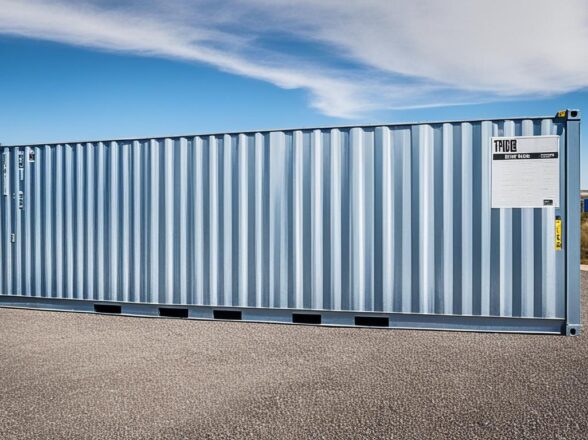
Shipping containers are designed to be durable and withstand various environmental conditions. Their construction ensures that they can protect their contents from extreme weather.
Protection Against Extreme Weather Conditions
Containers are built to endure harsh weather, including heavy rain, strong winds, and extreme temperatures. This makes them ideal for storing sensitive equipment and supplies.
Shipping containers have proven to be a reliable solution for farmers looking to store equipment and supplies securely.
Farm Equipment Journal
Typical Lifespan of Farm-Used Containers
The lifespan of a shipping container used on a farm can vary depending on maintenance and environmental conditions. However, with proper care, they can last for many years.
| Condition | Lifespan |
|---|---|
| Well Maintained | 15-20 years |
| Average Maintenance | 10-15 years |
| Poorly Maintained | 5-10 years |
Security Features for Valuable Equipment and Supplies
Shipping containers come equipped with robust security features, including strong locking mechanisms and durable construction, making them an excellent choice for storing valuable farm equipment and supplies.

By utilizing shipping containers, farmers can ensure that their equipment and supplies are stored securely, reducing the risk of theft and damage.
Sourcing the Right Shipping Container for Your Farm Needs
Sourcing the perfect shipping container for agricultural needs requires careful consideration. You need to evaluate your specific requirements, including the type of storage or equipment you plan to house, the size of the container needed, and your budget.
When deciding on a shipping container, one of the primary considerations is whether to opt for a new or used container. This decision can significantly impact your initial investment and the container’s longevity.
New vs. Used Containers: Making the Right Choice
New containers offer the advantage of being in pristine condition, with no prior wear and tear. They are, however, more expensive. Used containers, on the other hand, are more budget-friendly but may require inspections to assess their condition. Consider your budget and the intended use when making this decision.
New containers are ideal for long-term use and can be customized to fit specific needs. Used containers can be a cost-effective solution for temporary or less demanding applications.
What to Inspect Before Purchasing a Container
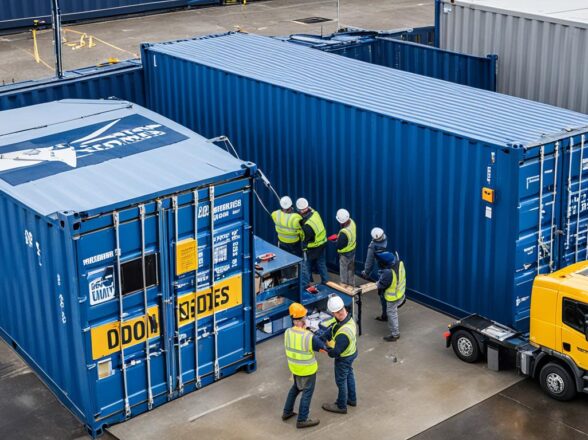
Before purchasing a used container, inspect it thoroughly for any signs of damage or wear. Check for rust, dents, and the condition of the doors and seals. Ensure that the container is structurally sound and suitable for your needs.
Key inspection points include the roof condition, wall integrity, and floor sturdiness. Verifying these aspects will help you make an informed purchase decision.

Types of Shipping Containers Suitable for Farm Use
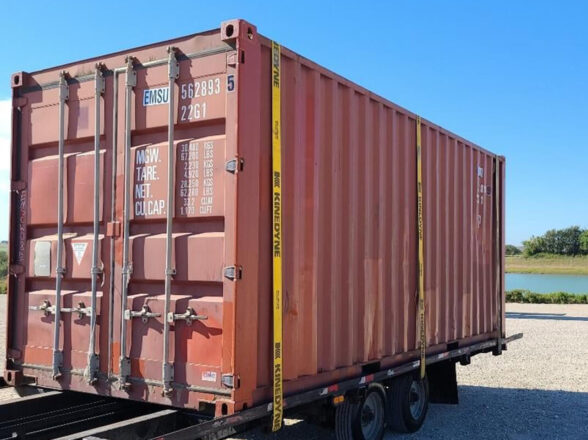
When it comes to using shipping containers on farms, selecting the right type is crucial for efficient storage and operations. The most common types of shipping containers used on farms are standard containers, which come in 20ft and 40ft options.
Standard Containers: 20ft vs. 40ft Options
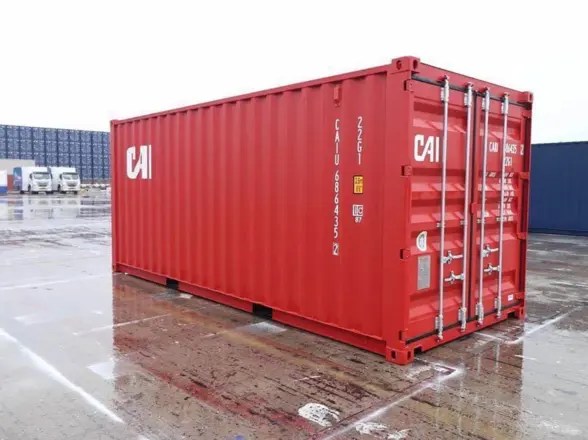
Standard shipping containers are available in 20ft and 40ft lengths, offering different space capacities for various farm applications. The 20ft container is ideal for smaller farms or for storing smaller quantities of equipment and supplies.
Space Requirements for Different Farm Applications
The choice between a 20ft and 40ft container depends on the specific needs of your farm. For instance, larger farms may require 40ft containers to store bulk quantities of feed or equipment.
Weight and Transportation Considerations
In addition to space requirements, it’s essential to consider the weight of the container and the equipment it will hold, as well as transportation costs and logistics. A 40ft container, while offering more space, is also heavier and may require more substantial transportation arrangements.
When selecting a shipping container for farm use, it’s crucial to balance your storage needs with the practical considerations of container size and weight. By choosing the right container, you can optimize your farm’s storage capacity and improve overall efficiency.

How Farmers Use Shipping Containers for Storage, Feed, and Equipment
Shipping containers are revolutionizing farm storage by providing a secure, durable, and flexible solution for farmers. These containers are being utilized in various ways to meet the diverse needs of farming operations.
Dry Goods and Harvest Storage Applications
Dry goods and harvest storage are critical components of farm management. Shipping containers offer an effective solution for storing grains, seeds, and other dry goods. The containers’ weather-resistant nature ensures that the stored products remain dry and protected from pests.
Grain and Seed Storage Solutions
Grain and seed storage require careful consideration to maintain quality. Shipping containers can be modified with specialized lining and ventilation systems to keep grains and seeds fresh. For instance, containers can be equipped with:
- Aeration systems to control moisture levels
- Sealed liners to prevent pest infestation
- Monitoring systems to track temperature and humidity
Preserving Harvest Quality in Container Storage
Preserving the quality of the harvest is paramount. Shipping containers can be climate-controlled to maintain optimal conditions for stored produce. This is particularly beneficial for sensitive crops that require specific temperature and humidity levels.
Using shipping containers for storage has been a game-changer for our farm. We’ve been able to keep our grains dry and pest-free, significantly reducing losses.
By adopting shipping containers for storage, farmers can enhance their operational efficiency and reduce costs associated with traditional storage methods. Whether it’s for dry goods, harvest, or equipment, shipping containers provide a versatile and reliable solution.
Preparing a Shipping Container for Farm Use
Before you start using a shipping container on your farm, it’s crucial to prepare it properly. This involves several key steps to ensure that your container is safe, functional, and meets your agricultural needs.
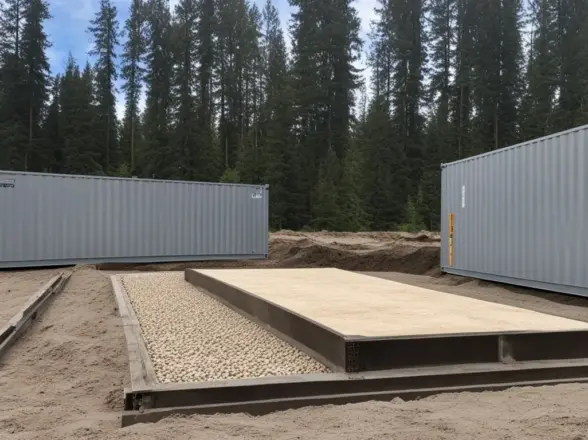
Site Selection and Foundation Requirements
Choosing the right location for your shipping container is vital. The site should be level, dry, and accessible. Proper site selection helps prevent water accumulation and reduces the risk of damage to the container and its contents.
Drainage and Accessibility Considerations
Ensure that the site has adequate drainage to prevent water from accumulating around the container. You should also consider the accessibility of the site for vehicles and equipment. A well-planned site will make it easier to load and unload goods.
Foundation Options from Simple to Permanent
The foundation of your shipping container can range from simple gravel bases to more permanent concrete foundations. The choice depends on the intended use, the size of the container, and local regulations. A gravel base is a cost-effective option that provides good drainage, while a concrete foundation offers greater stability and durability.
| Foundation Type | Cost | Durability | Drainage |
|---|---|---|---|
| Gravel Base | Low | Medium | Good |
| Concrete Foundation | High | High | Poor |
As noted by agricultural experts, “Proper preparation of the site and foundation is crucial for the safe and effective use of shipping containers on farms.”
This includes ensuring the site is level and has good drainage.
By carefully selecting the site and preparing a suitable foundation, you can ensure that your shipping container serves your farm’s needs effectively. Whether you’re storing equipment, feed, or dry goods, a well-prepared container is a valuable asset.
Essential Modifications for Agricultural Container Applications
When repurposing shipping containers for agricultural use, several key modifications can significantly enhance their functionality and longevity. One of the most critical modifications involves the installation of appropriate ventilation systems.
Ventilation Systems for Different Storage Needs
Ventilation is crucial for maintaining the quality of stored goods, whether it’s dry feed, harvested crops, or equipment. Different storage needs require different ventilation strategies to prevent moisture buildup and ensure a healthy storage environment.
Passive vs. Active Ventilation Solutions
There are two primary types of ventilation systems: passive and active. Passive ventilation relies on natural airflow and is achieved through the strategic placement of vents and louvers. Active ventilation, on the other hand, uses fans and other mechanical devices to circulate air.
| Ventilation Type | Description | Advantages | Disadvantages |
|---|---|---|---|
| Passive Ventilation | Relying on natural airflow through vents and louvers. | Energy-efficient, low maintenance. | Limited control over airflow, dependent on external conditions. |
| Active Ventilation | Using fans and mechanical devices to circulate air. | Highly effective, precise control over airflow. | Energy consumption, higher maintenance. |
Preventing Moisture Damage to Stored Items
Moisture damage is a significant risk when storing agricultural products. Proper ventilation helps to mitigate this risk by reducing humidity levels within the container. By choosing the right ventilation system, you can protect your stored items and extend their shelf life.
For farmers using containers for feed storage, a well-designed ventilation system is essential. It not only helps in maintaining the quality of the feed but also prevents mold and pest infestations. By understanding your specific storage needs and selecting the appropriate ventilation solution, you can maximize the effectiveness of your container feed storage.
Specialized Container Setups for Livestock Feed Storage
Specialized container setups are revolutionizing the way farmers store livestock feed, offering a secure and efficient storage solution.
Bulk Feed Storage Systems
Bulk feed storage systems are a crucial component of livestock farming, enabling farmers to store large quantities of feed in a dry, secure environment. Shipping containers can be converted into effective bulk storage systems with the right modifications.
Designing for Easy Loading and Unloading
When designing a bulk feed storage system within a shipping container, it’s essential to consider the ease of loading and unloading feed. This can be achieved by installing appropriate conveying systems or ensuring that the container is easily accessible for machinery.
Capacity Planning for Different Livestock Operations
Capacity planning is vital to ensure that the storage system meets the specific needs of your livestock operation. Factors such as the size of your operation, the type of livestock, and the feed consumption rate will influence the required storage capacity.
Here’s an example of how different livestock operations might plan their storage capacity:
| Livestock Operation Type | Feed Consumption Rate | Recommended Storage Capacity |
|---|---|---|
| Cattle Ranch | High | 40ft Container |
| Poultry Farm | Medium | 20ft Container |
| Pig Farm | Low to Medium | 20ft Container |
By carefully planning and designing your bulk feed storage system, you can ensure a steady supply of feed to your livestock, reducing logistical challenges and costs.
Equipment Storage Solutions Using Shipping Containers
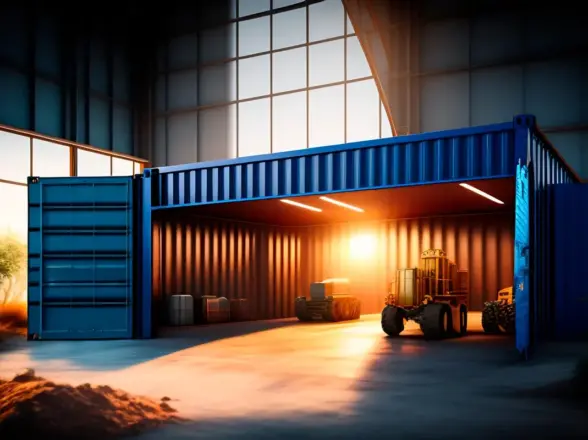
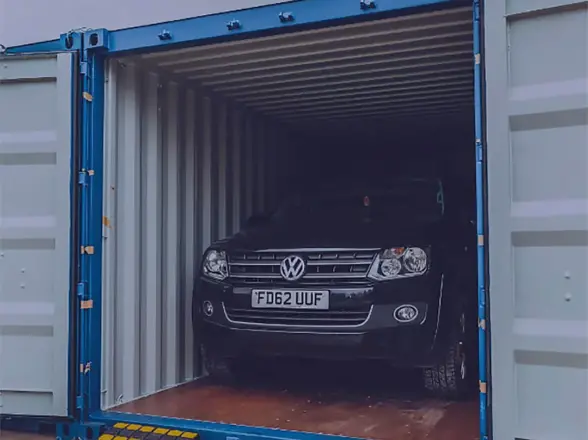
Repurposed shipping containers offer a versatile and secure way to store farm equipment. By utilizing these containers, farmers can protect their valuable machinery from the elements and potential theft.
Organizing Tractors and Large Machinery
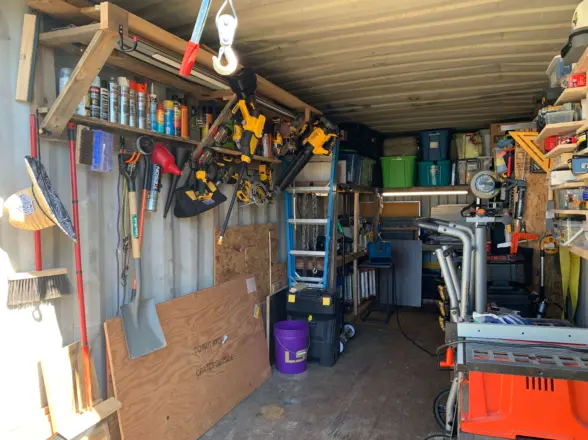
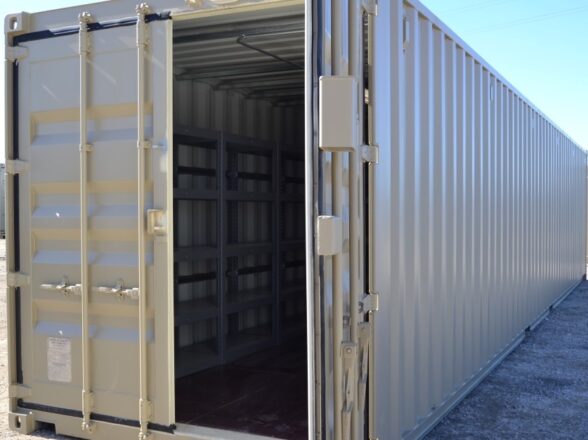
When it comes to storing tractors and other large machinery, organization is key. You can maximize the space within the shipping container by installing shelving, hooks, and other storage solutions. This not only helps in keeping the equipment organized but also makes it easier to access when needed.
Ramp and Access Solutions for Heavy Equipment
To facilitate the storage and retrieval of heavy equipment, consider installing a ramp or a lift system. This makes it easier to move tractors and other machinery in and out of the container, reducing the risk of damage to both the equipment and the container itself.
Maximizing Space for Multiple Machinery Items
For farms with multiple pieces of equipment, maximizing space is crucial. You can achieve this by using wall-mounted storage racks, overhead storage systems, and by strategically planning the layout of the container. This ensures that you can store a variety of equipment without overcrowding the space.
By implementing these strategies, you can effectively use shipping containers as a comprehensive equipment storage solution on your farm. This not only helps in maintaining the condition of your machinery but also contributes to a more organized and efficient farming operation.
Cost Analysis: Container Farming Storage vs. Traditional Methods
The cost analysis of using shipping containers for farming storage compared to traditional methods reveals several key considerations for farmers. As you evaluate your storage needs, understanding the financial implications of each option is crucial for making an informed decision.
Initial Investment Considerations
When assessing the initial investment for container farming storage, several factors come into play. The primary costs include the purchase or rental of the shipping container, delivery, and any necessary modifications.
Container Purchase and Delivery Costs
The cost of purchasing a shipping container can vary widely based on size, condition, and location. On average, a new 20ft container can cost between $2,000 to $5,000, while a used one can range from $1,000 to $3,000. Delivery costs also need to be factored in, which can add another $500 to $2,000 depending on the distance and accessibility of your farm.
Modification and Setup Expenses
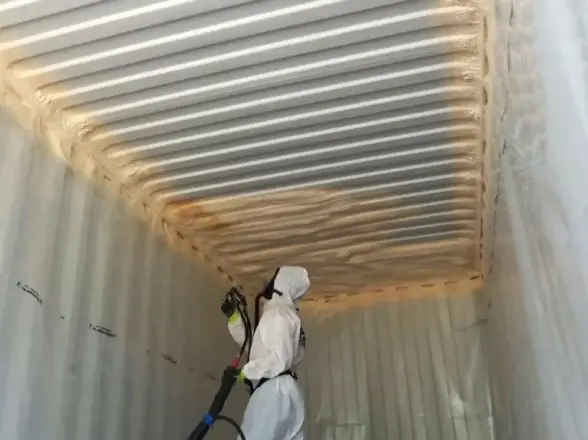
Modifying the shipping container for agricultural use can add significant costs. Ventilation systems, insulation, and interior fittings can range from $1,000 to $5,000 or more, depending on the complexity of the modifications and the specific needs of your farm.
To help you better understand the cost comparison, here’s a breakdown of the initial investment for container farming storage versus traditional methods:
| Cost Component | Container Farming Storage | Traditional Storage Methods |
|---|---|---|
| Initial Purchase/Construction | $1,000 – $5,000 (container) | $10,000 – $50,000 (building) |
| Delivery/Installation | $500 – $2,000 | $5,000 – $20,000 |
| Modifications/Setup | $1,000 – $5,000 | $0 – $10,000 |
| Total Estimated Cost | $2,500 – $12,000 | $15,000 – $80,000 |
As shown in the table, the initial investment for container farming storage can be significantly lower than traditional storage methods. However, it’s essential to consider the long-term costs, including maintenance and potential upgrades.
By carefully evaluating these costs and considering your specific needs, you can make an informed decision that best suits your farm’s requirements.
Regulatory Considerations for On-Farm Container Use
The use of shipping containers on farms has introduced new regulatory considerations that farmers must address. As you explore the potential of shipping containers for storage, feed, and equipment, it’s essential to understand the legal framework surrounding their use.
Zoning and Permitting Requirements
Zoning laws and permitting requirements can significantly impact how you can use shipping containers on your farm. These regulations vary by location, so it’s crucial to consult with local authorities to ensure compliance.
Navigating Rural vs. Suburban Regulations
Regulations can differ substantially between rural and suburban areas. In rural zones, regulations might be more lenient, while suburban areas may have stricter rules. For instance, suburban areas might require special permits for container placement or have specific guidelines for container modification.
Working with Local Authorities
Building a positive relationship with local authorities can facilitate the permitting process and help you stay informed about any regulatory changes. It’s advisable to engage with local planning departments early in your planning process to understand the specific requirements for your area.
| Regulatory Aspect | Rural Areas | Suburban Areas |
|---|---|---|
| Zoning Restrictions | Generally less restrictive | More stringent, with specific container placement rules |
| Permitting Requirements | May require fewer permits | Often necessitate special permits for container use |
By understanding and complying with these regulations, you can maximize the benefits of using shipping containers on your farm while minimizing potential legal issues.
Maintenance and Longevity of Farm Shipping Containers
Regular upkeep is vital for extending the life of your shipping containers used for storage, feed, and equipment on the farm. Proper maintenance not only ensures the longevity of these containers but also safeguards the quality of the stored goods and equipment.
Rust Prevention and Exterior Maintenance
Rust can significantly compromise the integrity of your repurposed shipping containers. To prevent this, regular inspections are necessary. Look for any signs of rust or damage, particularly in areas where water may accumulate.
Painting and Coating Options for Farm Environments
Applying a protective coating or paint can enhance the durability of your containers. Choose products that are suitable for outdoor use and can withstand the local climate conditions. Consider using a rust-inhibiting primer to add an extra layer of protection.
Seasonal Maintenance Schedule
Establishing a seasonal maintenance schedule can help you stay on top of container upkeep. This should include tasks such as cleaning, inspecting for damage, and applying protective coatings as needed. For farmers using containers for feed storage, it’s crucial to ensure that the containers remain clean and dry to preserve the quality of the feed.
By prioritizing maintenance, you can maximize the lifespan of your container feed storage for farmers solutions, ensuring they continue to meet your needs effectively.
Creative and Innovative Container Uses Beyond Basic Storage
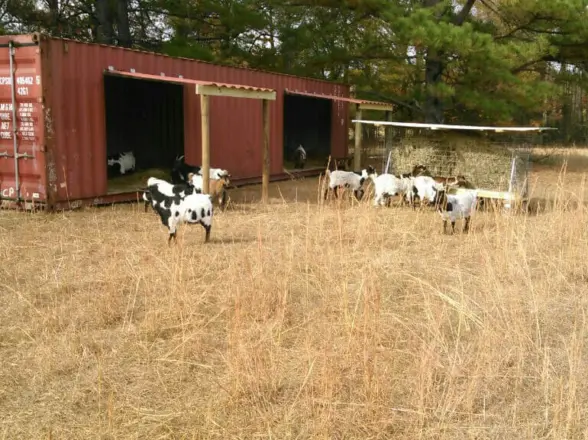
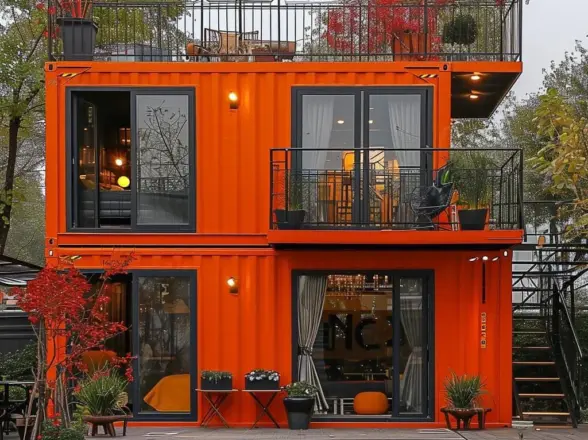
Farmers are discovering that shipping containers can be more than just storage units; they can be transformed into valuable assets for the farm. The versatility of these containers is being leveraged to create unique spaces that enhance farm operations and open up new opportunities.
Mobile Farm Stands and Market Setups
One creative use of shipping containers is as mobile farm stands or market setups. By converting containers into attractive and functional sales points, farmers can directly sell their produce to consumers at various locations. This not only increases visibility for farm products but also provides a unique customer experience. Mobile farm stands can be easily relocated to different markets or events, making them a flexible sales solution.
Container Greenhouses and Growing Spaces
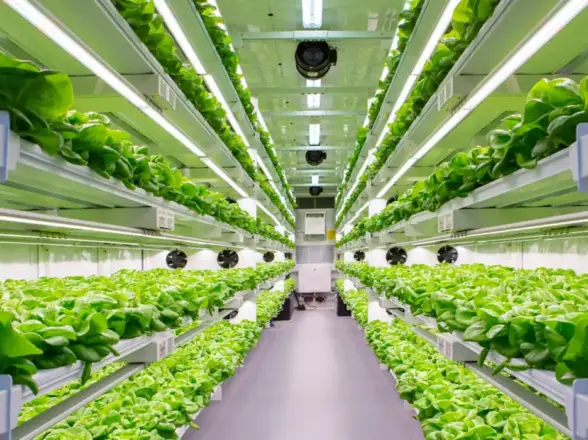
Shipping containers are also being repurposed as greenhouses or growing spaces, offering a controlled environment for crop production. These container greenhouses can be equipped with advanced climate control systems, allowing for year-round production regardless of external weather conditions.
Hydroponic and Vertical Farming Applications
Within these container greenhouses, farmers can implement hydroponic or vertical farming systems. These soilless cultivation methods can significantly increase crop yields while minimizing water usage, making them both efficient and sustainable.
Climate Control for Year-Round Production
A key advantage of container greenhouses is the ability to control the internal climate. By installing heating, cooling, and ventilation systems, farmers can maintain optimal growing conditions throughout the year, regardless of the outside climate. This enables the production of a wide range of crops year-round, enhancing farm productivity and profitability.
By embracing these creative and innovative uses of shipping containers, farmers can not only improve their storage capabilities but also diversify their operations and increase their competitiveness in the market.
Conclusion: Maximizing the Potential of Shipping Containers on Your Farm
As you’ve seen, shipping containers offer a versatile and practical solution for various farm needs, from storage and feed to equipment. By understanding how farmers use shipping containers for storage, feed, and equipment, you can unlock new efficiencies on your farm.
Farm equipment storage solutions are crucial for maintaining the longevity and functionality of your machinery. Shipping containers provide a secure, weather-resistant environment for storing valuable equipment, helping to reduce maintenance costs and extend the lifespan of your investments.
Whether you’re looking to optimize your storage capacity, streamline your operations, or simply find a more cost-effective solution, shipping containers can play a vital role. By considering the benefits and potential applications of shipping containers, you can take the first step towards maximizing the potential of your farm.
With the right container and a clear understanding of your needs, you can improve your farm’s productivity and bottom line. Explore the possibilities that shipping containers have to offer and discover how they can help you achieve your agricultural goals.
Shipping containers are so tough, they come with a 25-year warranty!
At Shipping Conex – Official Affiliate of Used Conex LLC you have the opportunity to get a FREE quote today and unlock the endless possibilities that shipping containers can bring to your storage space. By simply filling out a quick form on our website, you can take the first step towards transforming your cluttered storage area into a well-organized and efficient haven for your belongings.
FAQ
What are the benefits of using shipping containers for farm storage?
Shipping containers offer a durable, weather-resistant, and secure solution for storing farm equipment, supplies, and harvest. They can be easily transported to the farm and set up on a prepared site, providing a flexible storage solution.
How can I prepare a shipping container for farm use?
Select a suitable site for the container, prepare a level foundation, and ensure good drainage and accessibility. You may also need to modify the container with ventilation systems or other features to suit your specific needs.
How do I choose the right shipping container for my farm’s needs?
Consider the size of the container, the type of goods you need to store, and the space available on your farm. You can choose between new and used containers, and inspect the container for any damage or wear before purchasing.
What types of shipping containers are suitable for farm use?
Standard 20ft and 40ft containers are commonly used on farms, offering a range of storage capacities. You can also consider specialized containers, such as refrigerated or ventilated containers, depending on your specific needs.
Can shipping containers be used for storing livestock feed?
Yes, shipping containers can be used for storing livestock feed, particularly when equipped with bulk storage systems. Consider the design and capacity of the container, as well as any necessary modifications, such as ventilation systems.