

Shipping Conex
Blog
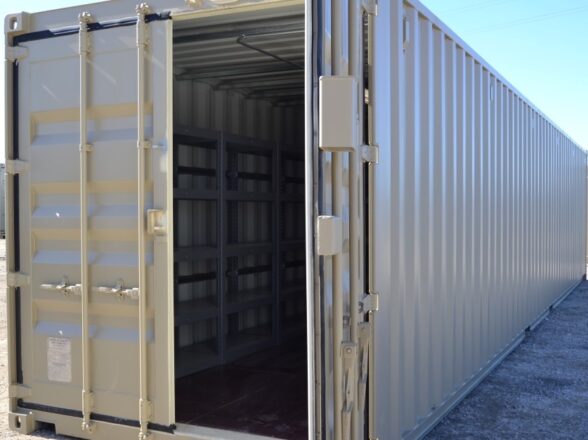
Shipping Containers Transformed into High-Security Equipment Storage

The use of shipping containers as high-security units for storing valuable equipment is on the rise. This transformation is driven by the need for secure, versatile, and cost-effective storage solutions.
Equipment storage solutions are critical for businesses and organizations that rely on sensitive or high-value assets. The repurposing of shipping containers into secure storage facilities addresses this need, providing a robust and adaptable solution.

The growing importance of these modified containers lies in their ability to protect equipment from theft, damage, and environmental factors. As a result, they are becoming an essential component of various industries’ asset management strategies.
The Evolution of Shipping Containers as Security Solutions
Shipping containers have evolved beyond their original purpose, now serving as high-security storage solutions for sensitive equipment. This transformation is driven by the need for robust, secure storage options that can protect valuable assets from various threats.
From Global Transport to Stationary Storage
Originally designed for global transport, shipping containers are now being repurposed as stationary storage units. Their robust construction and secure locking mechanisms make them ideal for storing sensitive equipment. “The versatility of shipping containers has made them a popular choice for secure storage needs,” says an industry expert. The shift from mobile transport to stationary storage represents a significant evolution in the use of shipping containers.

The Growing Need for Secure Equipment Housing
The increasing demand for secure storage is driven by businesses seeking to protect their valuable equipment and data. Shipping containers offer a secure and flexible solution for housing sensitive equipment, from IT hardware to critical infrastructure components. As security threats escalate, the need for robust storage solutions has become more pressing.
Market Growth and Adoption Rates
The market for shipping containers as security solutions is experiencing rapid growth. Adoption rates are increasing as businesses recognize the benefits of using shipping containers for secure storage. The adaptability and security features of these containers make them an attractive option for companies looking to enhance their security measures.
According to industry reports, the trend is expected to continue, driven by the need for secure, flexible storage solutions.
Why Shipping Containers Are Becoming High-Security Units for Sensitive Equipment
The use of shipping containers as high-security storage units is gaining traction due to their inherent structural advantages and flexibility. As the demand for secure storage solutions continues to rise, these containers are being repurposed to meet the needs of various industries requiring high-security equipment storage.

Inherent Structural Advantages
Shipping containers are constructed from high-strength steel, making them inherently secure against unauthorized access and environmental factors. Their robust design provides a strong foundation for additional security measures, such as reinforced locking systems and surveillance equipment.
The structural integrity of shipping containers also offers protection against harsh weather conditions and potential physical breaches, ensuring that the equipment stored inside remains safe and secure.
Adaptability to Security Requirements
One of the key advantages of using shipping containers for secure storage is their adaptability. They can be modified with various security features, such as advanced locking systems, alarm systems, and surveillance integration, to meet specific security requirements.
This adaptability allows businesses to tailor their storage solutions to their particular needs, whether it’s storing valuable equipment, sensitive data, or other high-security assets.
Mobility and Deployment Flexibility
Shipping containers offer the unique advantage of mobility, allowing them to be easily transported to different locations as needed. This flexibility is particularly valuable for businesses with changing security needs or those operating in multiple locations.
The ability to deploy a secure storage unit quickly and efficiently can be a significant advantage in maintaining the security and integrity of sensitive equipment.
Core Security Features of Container Storage Units
The transformation of shipping containers into secure storage units has been driven by the need for reliable and secure equipment housing. These containers offer a robust solution for storing sensitive items, including servers and other critical infrastructure.
Weather and Environmental Protection
One of the primary security features of container storage units is their ability to protect against weather and environmental factors. Made from durable materials like steel, these containers are designed to withstand harsh weather conditions, including heavy rain, snow, and extreme temperatures. This ensures that the equipment stored inside remains dry and operational.
Tamper-Resistant Construction
Container storage units are built with tamper-resistant construction to prevent unauthorized access. The robust design and secure locking mechanisms make it difficult for potential intruders to breach the container. This feature is particularly important for storing sensitive equipment like servers.

Fire and Disaster Resistance
Container storage units are also designed to be resistant to fires and other disasters. The steel construction provides a level of fire resistance, and additional measures can be taken to enhance this feature, such as installing fire suppression systems. This ensures that the stored equipment remains safe in the event of a fire or other disaster.
Temperature and Humidity Control Options
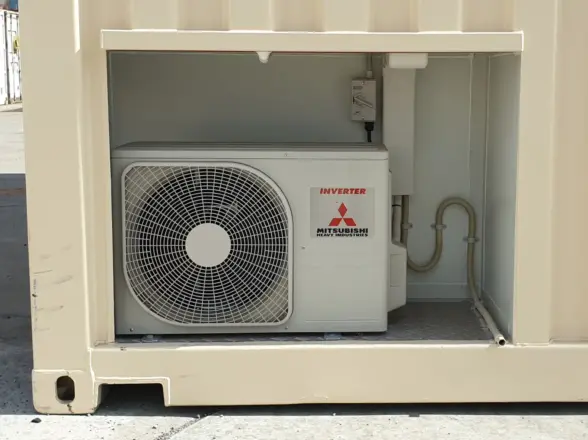
To further enhance the security and integrity of the stored equipment, container storage units can be equipped with temperature and humidity control options. This is particularly important for sensitive equipment like servers, which require a controlled environment to operate effectively. By maintaining optimal temperature and humidity levels, the risk of equipment failure or damage is minimized.
In summary, container storage units offer a range of core security features that make them ideal for storing sensitive equipment. From weather and environmental protection to tamper-resistant construction, fire and disaster resistance, and temperature and humidity control options, these units provide a robust security solution for valuable assets.
Security Modifications and Enhancements
To maximize the security of shipping containers used for sensitive equipment storage, various modifications and enhancements can be implemented. These upgrades are crucial for protecting high-value assets, such as those used in cryptomining operations or other sensitive applications.
Advanced Locking Systems and Access Controls
One of the primary security enhancements for shipping containers is the installation of advanced locking systems. These can include electronic locks, biometric authentication, and smart locks that can be monitored remotely. Such systems provide an additional layer of security, making it more difficult for unauthorized individuals to access the container’s contents.
Surveillance and Monitoring Integration
Integrating surveillance and monitoring systems into shipping containers can significantly enhance their security. This can include the installation of CCTV cameras, motion detectors, and environmental sensors. These systems allow for real-time monitoring of the container and its surroundings, enabling swift responses to potential security breaches.

Alarm Systems and Remote Notifications
Alarm systems that trigger remote notifications are another critical security enhancement for shipping containers. These systems can alert security personnel or owners in real-time if a breach is detected or if there are any other security concerns. This immediate notification capability is essential for minimizing potential losses.
Reinforcement Options for High-Value Storage
For shipping containers storing high-value assets, additional reinforcement options can be considered. These may include reinforced walls, floors, and roofs, as well as the installation of anti-tamper coatings or materials. Such reinforcements make the container more resistant to forced entry or other forms of tampering.
| Security Feature | Description | Benefit |
|---|---|---|
| Advanced Locking Systems | Electronic locks, biometric authentication | Enhanced access control |
| Surveillance and Monitoring | CCTV, motion detectors, environmental sensors | Real-time monitoring and threat detection |
| Alarm Systems | Remote notifications upon breach detection | Swift response to security incidents |
| Reinforcement Options | Reinforced structures, anti-tamper materials | Increased resistance to forced entry |
Specialized Applications for Sensitive Equipment Storage
The versatility of shipping containers makes them an ideal solution for securing sensitive equipment in diverse sectors. Their adaptability to various security needs has led to their widespread adoption across multiple industries.
Server and IT Equipment Protection
Shipping containers are increasingly being used to store server and IT equipment, providing a secure environment that protects against physical breaches and environmental damage. These containers can be customized with climate control, fire suppression systems, and advanced security features to safeguard critical IT infrastructure.
Cryptocurrency Mining Operations
The rise of cryptocurrency mining has led to a demand for secure facilities to house mining equipment. Shipping containers offer a cost-effective and secure solution, providing a controlled environment that can be equipped with necessary cooling systems and robust security measures to prevent theft and tampering.
Pharmaceutical and Medical Supply Storage
For the pharmaceutical industry, shipping containers can be converted into secure storage units for medical supplies and equipment. These containers can be climate-controlled to ensure the integrity of temperature-sensitive medications and vaccines, and can be equipped with access controls and surveillance systems to prevent unauthorized access.
Document and Data Storage Solutions
Shipping containers can also serve as secure repositories for sensitive documents and data storage media. By incorporating advanced security features such as alarm systems and reinforced construction, these containers provide a robust solution for protecting valuable documentation against theft, damage, or loss.
Military and Defense Applications
In military and defense contexts, shipping containers are utilized for storing sensitive equipment and supplies. Their durability and security features make them suitable for deployment in various environments, from forward operating bases to secure storage facilities. These containers can be outfitted with advanced security systems, including surveillance and access control, to meet stringent security requirements.
In conclusion, the use of shipping containers for storing sensitive equipment is a versatile and effective solution that caters to a wide range of industries, from IT and cryptocurrency mining to pharmaceuticals and military operations. Their adaptability, security features, and durability make them an ideal choice for securing valuable assets.
Comparing Container Storage to Traditional Security Solutions
Shipping container storage has emerged as a viable alternative to traditional security solutions, offering unique advantages in terms of cost, space efficiency, and scalability. As organizations seek to protect their valuable equipment, they must consider the benefits and drawbacks of each storage option.
Cost-Benefit Analysis
A thorough cost-benefit analysis is essential when deciding between container storage and traditional security measures. Container storage often provides a more economical solution, as shipping containers can be purchased or rented at a lower cost compared to constructing a traditional secure facility. Additionally, containers can be modified to meet specific security needs, potentially reducing overall expenditure.
| Storage Solution | Initial Cost | Modification Costs | Total Cost |
|---|---|---|---|
| Shipping Container | $5,000 | $2,000 | $7,000 |
| Traditional Secure Facility | $50,000 | $10,000 | $60,000 |
Space Efficiency and Footprint Considerations
Container storage solutions offer significant advantages in terms of space efficiency. Shipping containers can be placed in various locations, including areas with limited space, and can be stacked to maximize storage capacity. This flexibility is particularly beneficial for organizations with restricted land availability.
Scalability and Expansion Capabilities
One of the key benefits of container storage is its scalability. Organizations can easily add or remove containers as their storage needs change, allowing for greater flexibility compared to traditional storage facilities. This scalability is particularly valuable for businesses experiencing rapid growth or fluctuating storage demands.
In conclusion, when comparing container storage to traditional security solutions, it’s clear that shipping containers offer several advantages, including cost-effectiveness, space efficiency, and scalability. By carefully considering these factors, organizations can make informed decisions about their equipment storage solutions.
Cost Considerations and ROI for Secure Container Storage
The economic viability of using shipping containers for high-security storage depends on several key factors. Businesses must weigh the initial investment against long-term value, consider ongoing maintenance and operational costs, and understand the potential insurance benefits and risk mitigation strategies.
“The cost of secure storage solutions is a critical factor in the decision-making process,” as noted by industry experts. The initial investment in a secure shipping container can be substantial, but it’s essential to consider the long-term benefits and potential return on investment.
Initial Investment vs. Long-Term Value
The initial investment in a secure container includes the purchase or rental cost of the container, modification expenses to enhance security features, and any additional costs for installation or transportation. While this initial outlay can be significant, the long-term value provided by secure container storage can far outweigh the costs. For instance, the durability and longevity of shipping containers mean that they can provide years of service with minimal depreciation.
Maintenance and Operational Costs
Ongoing maintenance and operational costs are also crucial considerations. Regular maintenance ensures that the container remains in good condition and continues to provide secure storage. Operational costs, such as utilities for climate-controlled containers, must also be factored into the overall cost analysis. However, these costs are often offset by the enhanced security and protection of valuable assets.
According to a recent study, companies that invest in secure storage solutions like shipping containers can reduce their overall operational costs by up to 20% due to reduced loss and damage.
Insurance Benefits and Risk Mitigation
One of the significant advantages of using secure container storage is the potential for insurance benefits. Many insurance providers offer reduced premiums for businesses that utilize high-security storage solutions. Additionally, secure containers can mitigate risks associated with theft, environmental damage, and other potential hazards, further protecting a company’s assets and reputation.
By carefully evaluating the initial investment, ongoing costs, and potential benefits, businesses can make informed decisions about using secure shipping container options for their storage needs.
Regulatory Compliance and Industry Standards
Regulatory compliance and adherence to industry standards are paramount for shipping container storage solutions, particularly in industries handling sensitive information or valuable assets. As these containers are repurposed for secure storage, understanding the legal and regulatory landscape is crucial for their effective and lawful operation.
Meeting Data Protection Requirements
Data protection is a critical aspect of regulatory compliance for shipping container storage. Containers used for storing sensitive data or equipment must be fortified with advanced security measures to prevent unauthorized access. This includes implementing robust access controls, encryption, and secure data storage practices. For instance, containers housing servers or data centers must comply with standards such as ISO 27001 for information security management.
Industry-Specific Security Certifications
Different industries have specific security certifications and standards that shipping container storage must comply with. For example, containers used in the pharmaceutical industry for storing medical supplies must adhere to GMP (Good Manufacturing Practice) guidelines. Similarly, containers used for storing military equipment may need to comply with DoD (Department of Defense) security standards. Understanding these industry-specific requirements is essential for ensuring compliance.
Insurance Requirements and Considerations
Insurance requirements for shipping container storage facilities vary based on the nature of the stored assets and the security measures in place. Insurance providers often require facilities to meet certain security standards to qualify for coverage. This can include the implementation of advanced locking systems, surveillance cameras, and alarm systems. Compliance with these requirements not only aids in securing insurance but also in mitigating risk.
| Industry | Security Standard/Certification | Description |
|---|---|---|
| IT/Data Centers | ISO 27001 | Information security management standard |
| Pharmaceutical | GMP | Good Manufacturing Practice guidelines for medical supplies storage |
| Military/Defense | DoD Security Standards | Department of Defense standards for secure equipment storage |
Conclusion: The Future of Secure Container Storage Solutions
The transformation of shipping containers into high-security units is revolutionizing the way sensitive equipment is stored. With their inherent structural advantages, adaptability to security requirements, and mobility, shipping containers are becoming the preferred choice for high-security storage.
As the demand for secure storage solutions continues to grow, the future of container security looks promising. The integration of advanced security features, such as surveillance systems and alarm notifications, will further enhance the security of these units. The use of shipping containers as high-security units is expected to expand into various industries, including data centers, pharmaceuticals, and military applications.
The future of container security will be shaped by advancements in technology and the increasing need for secure storage. As a result, high-security units will play a critical role in protecting sensitive equipment and data, driving the growth of secure container storage solutions.
FAQ
What makes shipping containers suitable for high-security storage?
Shipping containers are made of durable materials like steel, offering inherent structural advantages that can be leveraged for secure storage. Their robust construction and adaptability to various security needs make them an ideal choice for storing sensitive equipment.
Can shipping containers be modified for enhanced security?
Yes, shipping containers can be modified with advanced locking systems, surveillance and monitoring integration, alarm systems, and reinforcement options to enhance their security features, making them suitable for storing high-value assets.
What types of sensitive equipment can be stored in shipping containers?
Shipping containers can be used to store a variety of sensitive equipment, including servers and IT equipment, cryptocurrency mining operations, pharmaceutical and medical supplies, important documents, and military equipment.
How do shipping containers compare to traditional security solutions in terms of cost?
Shipping containers often offer a cost-effective solution for secure storage compared to traditional methods. A cost-benefit analysis can help determine the initial investment versus long-term value, including maintenance and operational costs.
Can shipping containers be used for temperature and humidity-controlled storage?
Yes, shipping containers can be equipped with temperature and humidity control options, making them suitable for storing sensitive equipment that requires specific environmental conditions.
If you’re considering a container solution, we’re happy to provide a free, no-obligation container recommendation and quote based on your use case.
At Shipping Conex – Official Affiliate of Used Conex LLC, you can request a FREE quote today and discover the endless possibilities shipping containers offer for your storage needs. Simply complete our quick online form to take the first step toward transforming clutter into a secure, organized, and efficient storage solution.