

Shipping Conex
Blog
Shipping Containers for Emergency Infrastructure and Disaster Response

Emergency infrastructure means shelters, clinical care, secure storage, cold chain, and coordination space after a major event. In many U.S. incidents, damaged buildings and broken supply lines make fast, safe space vital.
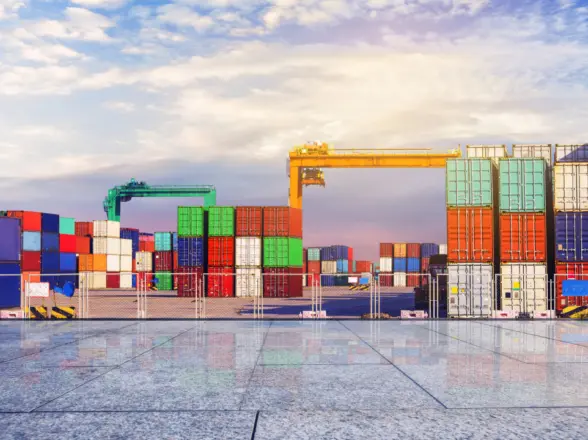
The core problem is speed: teams need functional space without waiting for new construction. Standardized shipping containers move by truck, rail, and sea, so crews can place them close to a crisis footprint and start operations quickly.

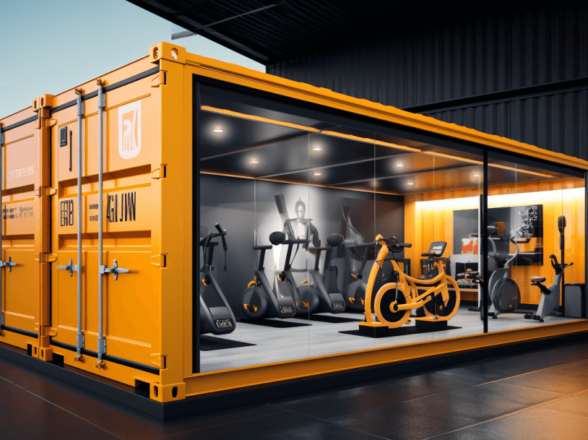
These units convert into mobile clinics, command hubs, refrigerated storage, and shelters. Key choices later in this article will include deployment speed, durability, modular stacking, budget (rent vs buy), and conversion needs like HVAC and power.
Durability and reuse make this approach practical: units can be refurbished, reconfigured, and redeployed from initial response into longer-term recovery. That reuse also supports sustainability by cutting demand for new materials and enabling upgrades like insulation and solar.
Why shipping containers are a go-to solution when disaster strikes
When roads, rails, and ports face disruption, standard intermodal units move where people need them most.
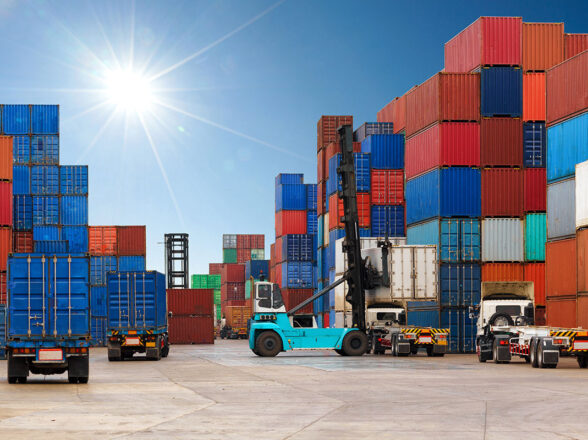
Rapid delivery matters in time-critical response. Because units fit chassis, rail cars, and ships, teams can reroute assets around damaged corridors. Pre-positioned boxes can be staged before landfall and pushed to sites immediately for storage, clinics, or command space.
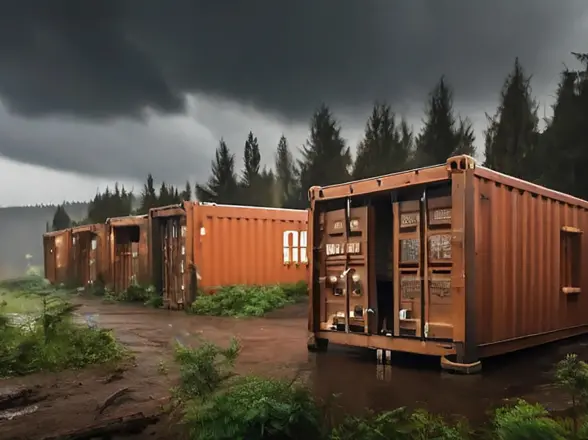
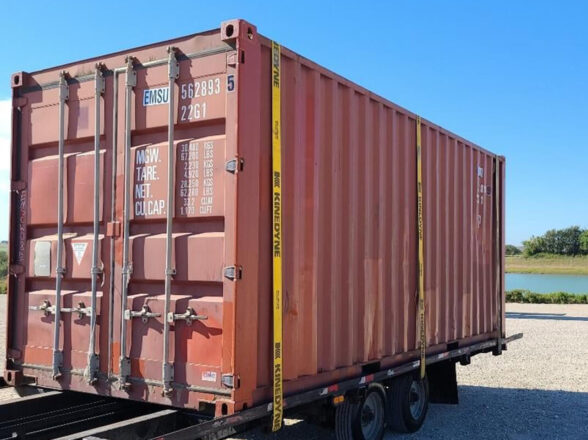
Steel construction withstands rough weather and repeated handling. Built for ocean transit, these modules tolerate heavy lifts, wind, rain, and debris better than soft shelters. That durability protects equipment and personnel in unstable conditions.
Modular, stackable, space-smart
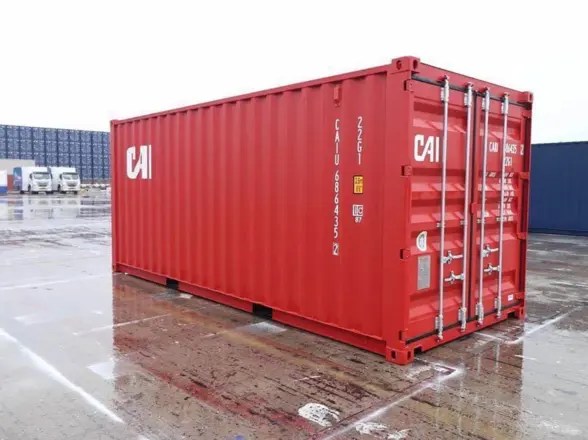
A 20-foot unit fits tight lots while longer units increase usable interior area. Multiple modules link into compounds that match incident command layouts. Stacking allows vertical expansion in crowded staging zones and damaged urban corridors.
Containers cut setup time and create secure, weather-resistant workspaces that stabilize recovery efforts.
| Feature | Operational benefit | Typical outcome |
|---|---|---|
| Intermodal design | Alternate routing by road, rail, sea | Faster delivery despite damaged access |
| Steel build | High tolerance to handling and weather | Lower repair and replacement needs |
| Stackability | Vertical use of limited land | More functional space per footprint |
| Standardized components | Fewer trades, quicker setup | Reduced labor and material costs |
- Compared to tents, these units offer hard-sided security and better pest control.
- Faster setup protects high-value gear and creates reliable rest and work areas.
Practical tradeoffs
While tents deploy on wide footprints quickly, container-based solutions provide durable, secure enclosures worth the extra transport effort in many recovery scenarios.
How Shipping Containers Are Used for Emergency Infrastructure and Disaster Response
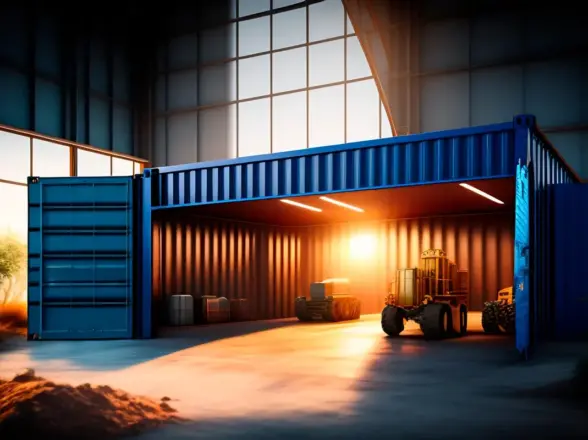
Converted intermodal modules fill critical gaps immediately after natural disasters. They arrive fast and create secure, weather-resistant spaces that teams can adapt for many roles.
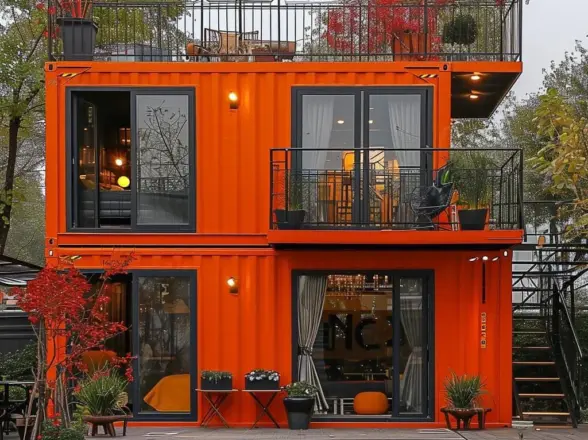
Emergency shelters and transitional housing
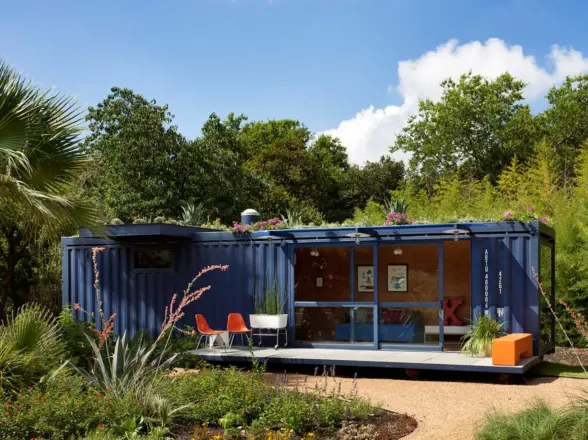
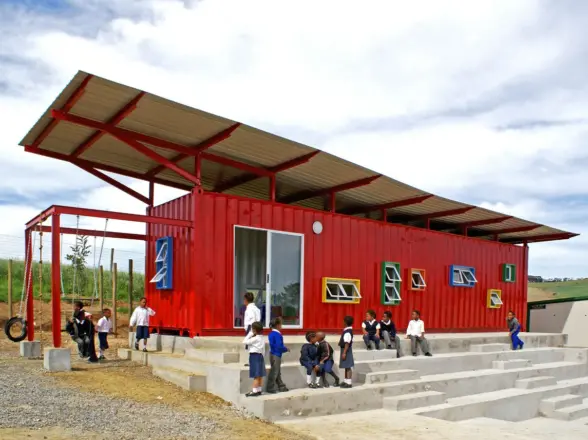
Containers convert to bunks, private partitions, HVAC-ready rooms, and shower modules to support displaced families and relief workers. Compounds link multiple units with controlled entry, lighting, and clear walkways to keep sites orderly and safer when demand spikes.
Mobile medical units and isolation spaces
Units serve as triage rooms, urgent-care areas, and isolation bays when hospitals are overwhelmed. Medical containers require reliable power, sanitation fixtures, and climate control to protect staff and preserve medical supplies.
Secure storage and cold chain support
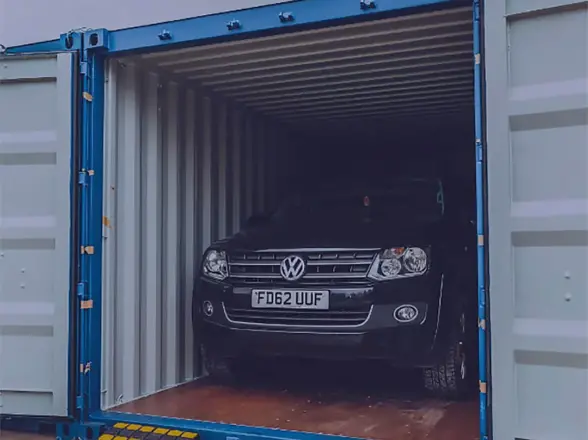
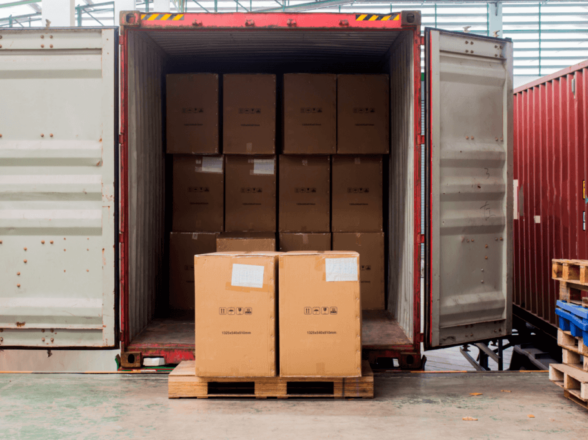
Lockable steel storage units protect PPE, tools, and high-value equipment. Refrigerated reefers maintain vaccines, insulin, and food temperatures using shore power or generators to reduce spoilage during grid outages.
Command, communications, and scalability
Containers host desks, radios, network gear, and redundant power for incident coordination. As needs shift from immediate relief to recovery efforts, the same units can be reconfigured and reused.
- Real deployments: container clinics and community facilities after Haiti (2010) and container housing/storage in Katrina response.

Planning container-based disaster relief in the United States
Begin with a clear mission statement: identify priority people, critical assets, and the speed needed to deliver help. This first step guides every choice from container type to placement.
Assess footprint, safe zones, and access
Map the incident footprint and mark safe zones for public-facing services versus back-of-house operations. Account for hazards, traffic flow, and separation between clinics or shelters and storage or power areas.
Confirm primary and backup access routes. Check turning radiuses, restricted roads, curfews, and staging spots so deliveries do not block emergency lanes.
Select units and condition grades
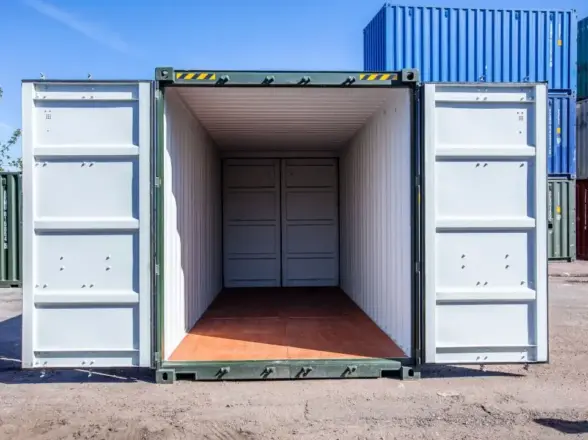
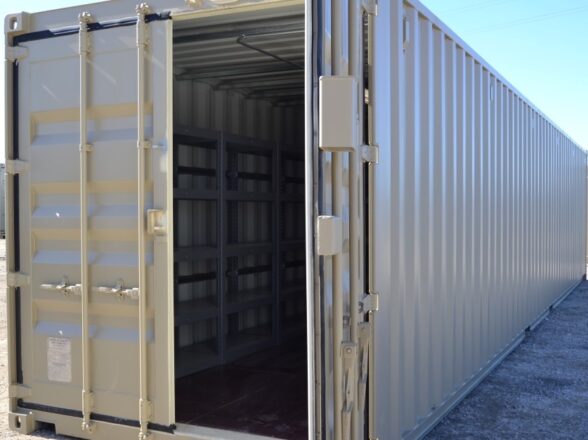
Choose 20-foot units when sites are tight. Use 40-foot high-cube units where extra height helps racking or walkways. Side-open or double-door models speed picking for storage and supply distribution.
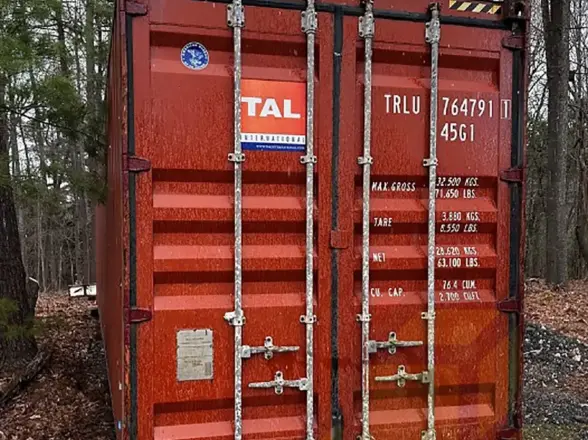
Inspect condition grades: wind-and-water-tight units keep materials dry, while cargo-worthy units suit frequent lifts and heavier loads during sustained response.
Budget and transport logistics
Weigh rent versus buy against planned recovery timelines, refurbishment needs, and expected wear. Used units can cut cost for short deployments; new or refurbished units reduce operational risk for long-term recovery.
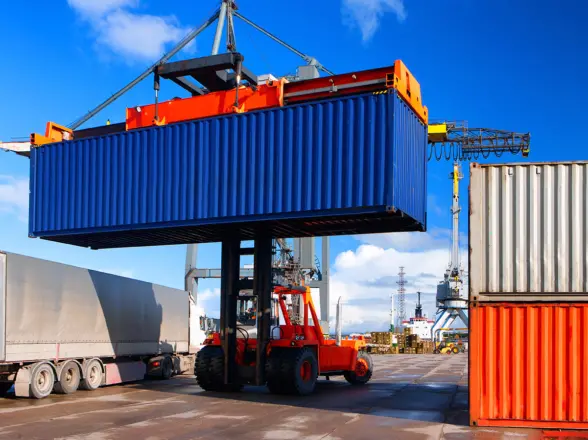
Reserve cranes or heavy forklifts, confirm permits and escorts for oversize loads, and sequence deliveries through staging yards to match operational priority.
Good layout and logistics reduce downtime, improve safety, and keep response efforts scalable as conditions change.
| Planning element | Action | Expected outcome |
|---|---|---|
| Mission priorities | Define who to serve and what to protect | Targeted ordering and faster setup |
| Site mapping | Mark footprint, safe zones, and hazards | Safer public areas and efficient workflows |
| Container selection | Pick size and door style by function | Better storage density and access |
| Condition grade | Choose wind-and-water-tight or cargo-worthy | Reliable protection and lift safety |
| Transport & placement | Book cranes, permits, and staging | On-time delivery and minimal disruption |

Conversion and customization features that keep response operations running
Well-executed conversions turn steel units into resilient workspaces that keep teams operational when utilities fail. These upgrades are not cosmetic; they protect people, sensitive equipment, and medical supplies across extreme conditions.
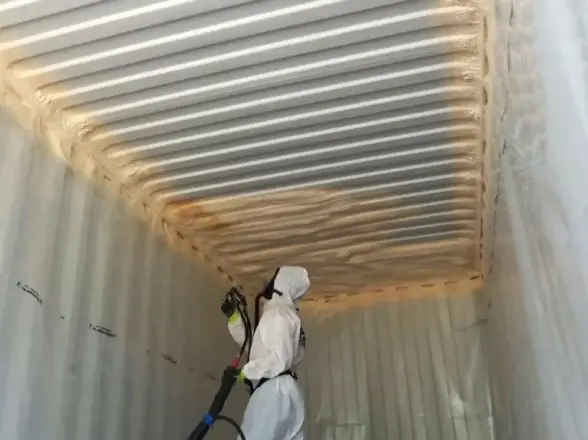
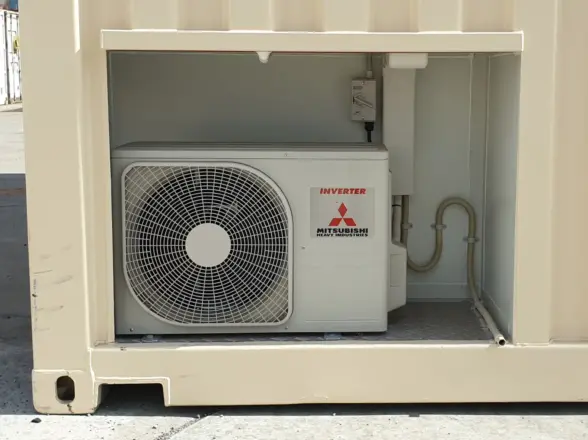
Insulation, HVAC, and weatherproofing extend service in heat waves, cold snaps, heavy moisture, and smoke events. Proper thermal envelopes and filtered ventilation preserve interior conditions and reduce generator load.
Electrical and lighting fit-outs include prewired outlets, LED task lighting, shore-power hookups, and redundant circuits for critical equipment and comms. Plumbing packages add hand-wash stations, greywater routing, and modular sanitation bays when local systems are offline.

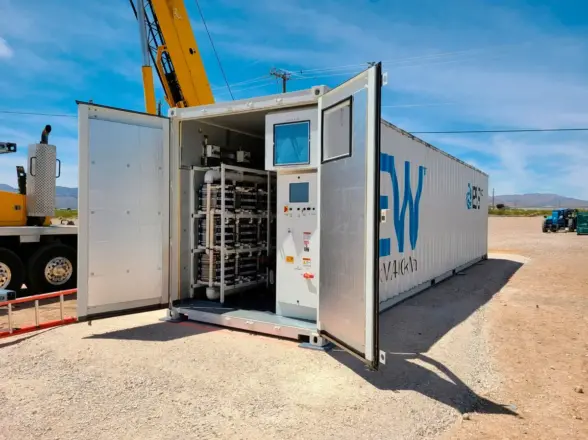
Off-grid options pair solar-plus-battery systems for daily loads with generators for surge or refrigerated units. Rainwater capture and basic filtration cut reliance on bottled supplies during prolonged response.
Security and access control matter: lockable doors, perimeter lighting, clear lanes, and controlled entry points reduce theft and keep foot traffic orderly. Design compounds to separate public queues from logistics and forklift paths.
Design for modularity so a single unit can shift from triage and storage to office or classroom use with minimal rebuild time.
| Feature | Why it matters | Typical benefit |
|---|---|---|
| Insulation & HVAC | Protects occupants and gear from extremes | Stable internal temps; reduced equipment failures |
| Electrical & lighting | Supports medical devices and comms | Reliable power and clear task lighting |
| Plumbing & sanitation | Maintains hygiene when utilities fail | Lower infection risk; usable shelters/clinics |
| Off-grid systems | Reduces downtime during outages | Continuous operation for critical loads |
| Security & access | Protects supplies and staff | Orderly sites and fewer theft incidents |
Conclusion
Durable, modular steel units speed initial disaster relief and then serve longer-term disaster recovery roles in communities across the United States.
These solutions cover shelters and staff housing, mobile medical and isolation capacity, secure supply storage, cold chain continuity, and mobile command hubs. Planning site layout, access routes, lift logistics, and unit selection before an incident makes response faster and safer.
Refurbished assets can be redeployed for future recovery projects, creating a repeatable, scalable capability. Upcycling also supports sustainability by cutting new material demand and enabling energy-efficient upgrades like insulation and solar.
Next step: build a simple checklist for needs assessment, sizing, power planning, security, and placement sequencing so assets go to work on arrival and keep relief efforts moving.
FAQ
What types of response roles can a container fulfill on site?
Units become temporary shelters, mobile clinics, secure storage rooms, refrigerated pockets for vaccines and food, and command centers. Their modular design lets responders stack or align units to match the mission and site constraints.
How do modular units speed up relief efforts compared with traditional builds?
Containers cut weeks or months from setup time. They are prefabricated, require less on-site labor, and can be fitted off-site with electrical, plumbing, and medical fixtures, then deployed immediately to the field.
Can refrigerated units maintain vaccine cold chains in remote locations?
Yes. Refrigerated containers hold precise temperature ranges for vaccines, insulin, and perishables. When paired with backup generators or solar-powered systems, they sustain cold chains during extended relief operations.
What safety measures protect stored relief supplies from theft and weather?
Operators reinforce doors, fit tamper-resistant locks, install lighting and CCTV, and plan site layouts that limit access. Weatherproofing, raised platforms, and drainage prevent water damage and preserve sensitive equipment.
How do responders choose the right unit size and condition for a mission?
Teams assess the incident footprint, access routes, and intended use. Newer or “one-trip” boxes suit medical or shelter roles; used units work well for storage. Size selection depends on cargo, workspace needs, and available staging area.
Are container solutions cost-effective for long-term recovery projects?
They often reduce capital and time costs versus new construction. Renting lowers upfront expense for short-term needs; purchasing and refurbishing units can be economical for multi-year recovery or community rebuilding programs.
Looking for shipping containers adapted for emergency or rapid-response use? Contact us to discuss your requirements.
At Shipping Conex – Official Affiliate of Used Conex LLC, you can request a FREE quote today and discover the endless possibilities shipping containers offer for your storage needs. Simply complete our quick online form to take the first step toward transforming clutter into a secure, organized, and efficient storage solution.