

Shipping Conex
Blog
How To Fix Shipping Container Doors That Don’t Open Easily

You’ll start with the core question: why a shipping container door resists movement and what to do first without causing harm. Most units should swing with little force when the frame is square, the ground is level, and locking parts get regular care.

Common culprits include rust, dirt buildup, worn seals, tight hinges, frame twist, and seal swelling after weather exposure. These are usually fixed with basic tools and routine maintenance rather than major repairs.
Safety note: clear the swing area, open one panel at a time, and avoid brute-force prying that can bend locking bars or distort the frame. A crowbar often makes the issue worse.
This guide follows a clear order: diagnose causes → prep safely → step-by-step repairs → upkeep tips. If you use the unit for storage or frequent access, a simple routine will save time and keep access reliable year-round.
What makes shipping container doors hard to open in the first place
Start by spotting the common causes that turn smooth access into a stubborn struggle.
Rust and corrosion create steel-on-steel friction at latch points, locking rods, cam locks, and hinges. That binding feeling comes from metal roughness and pitted surfaces that resist movement over time.

Build-up, wear, and missed maintenance
Gravel, grit, and dirt collect along seals and hinge areas. Skipping simple maintenance like cleaning and lubrication lets small friction spots grow into real problems.
Racking, placement, and cargo shifts
Racking means the frame twists when a corner settles. A unit that sits on soft soil or an uneven surface may look flat but is not level. Heavy cargo pushed to one side raises pressure on the frame and makes alignment worse.
Weather, temperature, and moisture effects
Steel expands and contracts with temperature swings. Moisture encourages rust and makes gaskets and door seals sticky. In cold climates, ice can glue the seal to the frame and stop movement.
Remove pressure from the frame and cargo before lubricating or adjusting hardware.
Prepare to open stuck container doors safely and avoid damage
Start with a quick site check so you reduce risk to yourself and to hardware. Make sure the ground is level and both sides of the swing area are clear of debris, pallets, or tools.
Listen for movement before the first panel ships free. A shift in cargo can create pressure that pushes items toward you as the door releases. Open one door at a time and stand to the side for protection.
- Wear gloves and sturdy footwear to guard hands and feet.
- Remove padlocks and check the lockbox for corrosion before pulling handles.
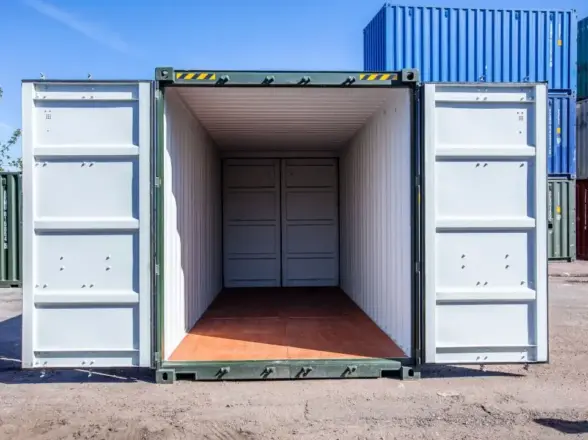
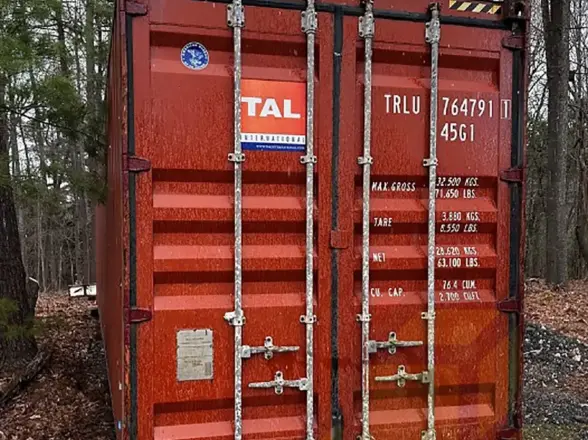
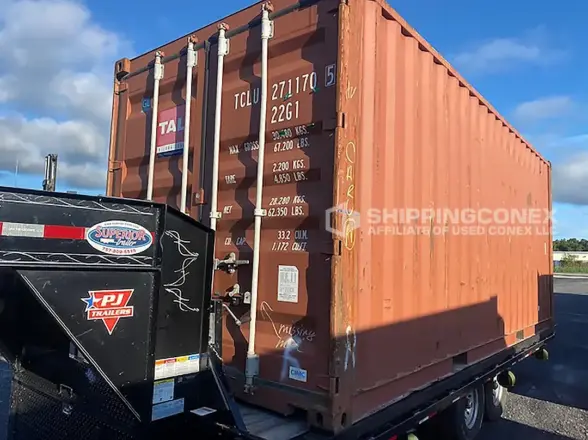
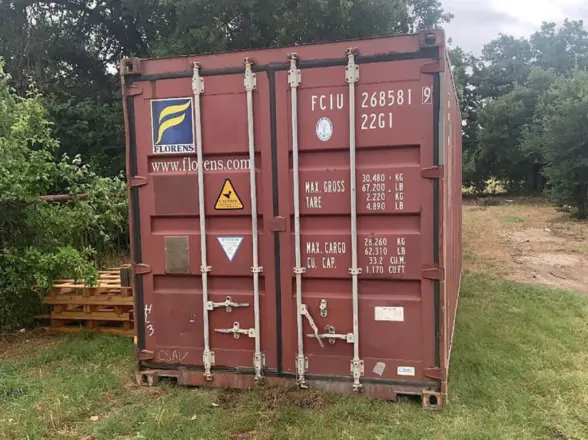
- Identify key parts you will touch: locking rods/bars, slide bolt, cam locks, handles, hinges and hinge pins, seals, and the lockbox.
Remember: the rods lift out of top and bottom cam locks when the handle pulls up. Forcing a handle risks bending rods or warping steel. Do not pry with a crowbar; that often causes more damage and leads to part replacement later.
Check level and clearance first, then follow lubrication and seal checks before replacing hardware.
How Can I Fix Shipping Container Doors If They Don’t Easily Open?
Start by checking the unit sits flat on a firm surface. Tiny shifts in corners cause the frame to rack and make seals grab. Concrete, asphalt, or compacted gravel are ideal hard-packed surfaces.
Shim corners with pressure-treated lumber, bricks, or concrete slabs to relieve twist. Trial-and-error is normal: raise one front corner slightly and watch gasket alignment as your visual guide.
- Lubricate in order: latch connections, locking rods, then cam contact points. Use bearing grease for metal-on-metal sliding.
- Spray hinges and hinge pins with aerosol lubricant, then swing the door gently to work oil in.
- Clean sticky gaskets, apply a light lubricant, and trim only obvious bulges with a utility knife.
For rust near the seal, scrape and treat the steel plate to stop the gasket from grabbing. In cold weather, pour warm water along seals to melt ice, then cut indoor moisture to prevent refreeze.
Avoid prying with a bar; leveling, lubrication, and small adjustments protect rods, locks, and the frame.
Keep shipping container doors opening smoothly over time
Small, scheduled checks prevent minor annoyances from turning into big repairs. A short routine keeps hinges, locking rods, seals, and the lockbox working well for storage use.
Build a simple maintenance routine
Clean dirt from moving points and apply grease or oil to hinges and locking bars. Do this every three months or more often in wet climates.
Lightly treat seals to keep them flexible and trim any clear bulges that catch the frame.
Watch level after storms or heavy loading
Check the ground and surface after storms, settling, or major cargo shifts. Re-shim corners when the frame tilts to prevent repeat issues.
Replace worn parts before problems grow
When hinges are loose, seals crack, or locks fail, replace those parts rather than force the door. New hardware prevents rust, moisture damage, and steel wear over time.
- Protect the lockbox: keep it clean for better security and operation.
- Load cargo evenly and test the door during packing to avoid racking.
- Monitor moisture in cold months to limit ice on seals.
Routine upkeep saves time and keeps storage reliable.
Conclusion
A simple sequence of safety checks and targeted maintenance solves most access problems.
Start with safety and pressure checks, confirm the unit sits level, then lubricate latches, rods, and hinges. Address seals and rust next, and treat ice or moisture last.
The main takeaway: a sticking unit is usually an alignment or maintenance issue, not a ruined storage unit. Focus first on the highest-impact fixes to save time and expense.
Do not force parts with a pry bar. Bent rods and a warped frame turn a small repair into a major one.
Keep a stable surface, re-level periodically, and follow a short cleaning and lubrication routine. When those steps fail, inspect worn hinges, seals, and locks and plan replacements to restore smooth operation.
FAQ
What causes container doors to stick or resist opening?
Several common issues make doors hard to move: rust and corrosion on steel parts, dirt and debris in the door swing and seals, racked frames from uneven ground or heavy cargo shifting, and weather effects such as moisture, ice, and temperature changes that swell gaskets or freeze seals..
How should you prepare before attempting to open a stuck door?
Clear the swing area of obstacles and check inside for cargo pressing against the doors. Make sure the unit sits on a firm, level surface to reduce frame twist. Wear gloves and eye protection, and have basic tools and lubricants ready so you can work methodically without forcing hardware.
What routine maintenance keeps doors working smoothly?
Build a simple checklist: clean and lubricate hinges and locking rods every few months, inspect seals and replace when worn, treat surface rust early, and verify level after storms or heavy loads. Protect lockboxes and exposed hardware with paint or grease to prevent corrosion.
Are there specific lubricants and products you should use?
While DIY installation is possible, hiring a professional is recommended. It ensures proper installation and code compliance.
Can shipping containers be used for storing livestock feed?
Use penetrating oil (like PB Blaster) for stuck fasteners, aerosol silicone or dry-film lubricant for hinges, and heavy-duty bearing grease for locking rod joints. For seal care, choose a silicone-based rubber protectant; for metal protection, use rust converter and industrial enamel paints.
Shipping containers are built to last—that’s why they come with an impressive 25-year warranty.
At Shipping Conex – Official Affiliate of Used Conex LLC, you can request a FREE quote today and discover the endless possibilities shipping containers offer for your storage needs. Simply complete our quick online form to take the first step toward transforming clutter into a secure, organized, and efficient storage solution.