

Shipping Conex
Blog
Shipping Container Car Storage: What to Know About Storing a Car in a Shipping Container

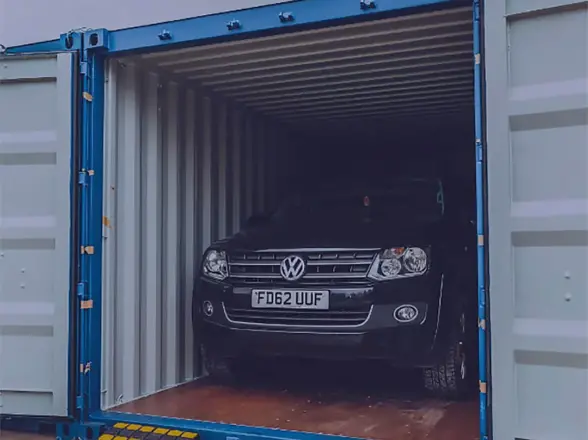
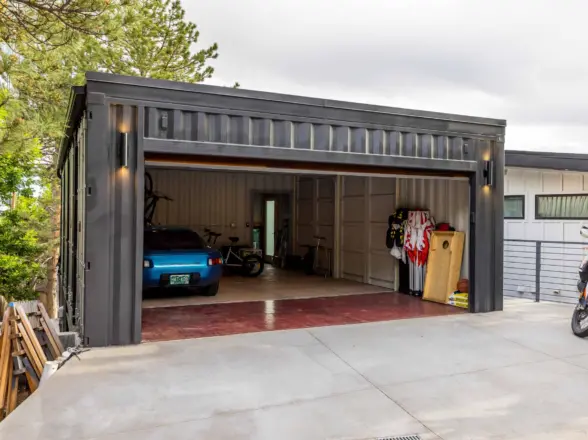
If you’re looking for a secure and innovative way to store your vehicle, you might want to consider shipping container car storage. This method is gaining popularity among car owners who need to protect their vehicles from harsh environmental conditions, theft, and vandalism.

Whether you have a classic car or additional vehicles that you don’t drive often, storing your car in a shipping container can provide the protection it needs. This option offers a secure environment, shielding your vehicle from damage and deterioration.
Key Takeaways
- Shipping containers provide a secure environment for car storage.
- Protection from harsh weather conditions and vandalism.
- A cost-effective solution for storing multiple vehicles.
- Flexibility in container size to accommodate different vehicle types.
- Enhanced security features to prevent theft.
Why Consider Shipping Container Car Storage
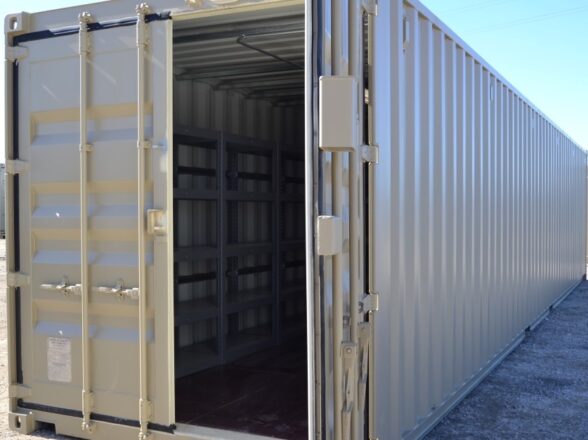
Shipping containers offer a unique solution for car storage, providing a secure and protected environment for your vehicle. When you store your car in a shipping container, you’re protecting it from various external factors that could damage it over time.
Protection from Elements and Theft
Shipping containers are made from durable steel, designed to withstand harsh weather conditions such as heavy rain, snow, and extreme temperatures. This level of protection helps preserve your car’s condition, keeping it clean and free from damage caused by exposure to the elements. Moreover, shipping containers provide a secure storage solution, significantly reducing the risk of theft or vandalism.
Space Efficiency Compared to Traditional Storage
Using a shipping container for car storage can be more space-efficient than traditional storage methods. Containers can be placed in a variety of locations, including residential areas, making it easier to store your car without having to travel far. This convenience is particularly beneficial for car owners who live in urban areas where space is limited.
Cost-Effectiveness for Long-Term Storage
Shipping container car storage is a cost-effective solution for long-term storage needs. Compared to traditional car storage facilities, shipping containers can offer significant savings, especially for extended storage periods. The initial investment in a shipping container can be more economical in the long run, and there’s also the option to rent containers, providing flexibility based on your needs.
Portability and Relocation Benefits
One of the significant advantages of using shipping containers for car storage is their portability. If you need to relocate your stored car, a shipping container can be easily transported to a different location. This feature is particularly useful for individuals who may need to move their stored vehicles due to changes in their personal or professional circumstances.
Types of Shipping Containers Suitable for Car Storage
When it comes to storing your car in a shipping container, the type of container you choose is crucial. The right container can provide the protection and security your vehicle needs. You have several options to consider, depending on the size and type of your vehicle, as well as your budget.
Standard 20-Foot Containers
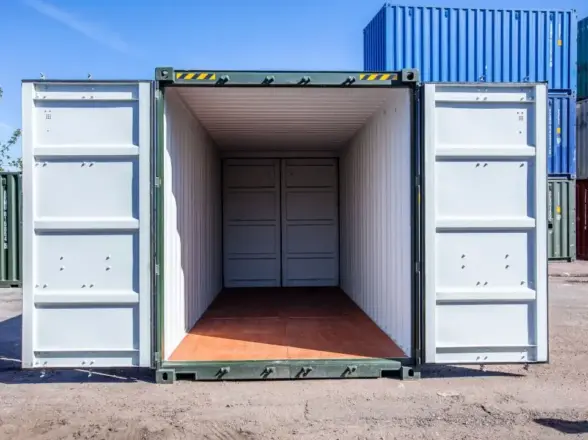
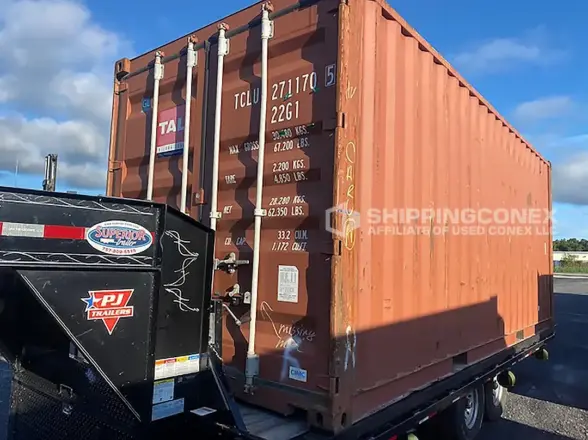
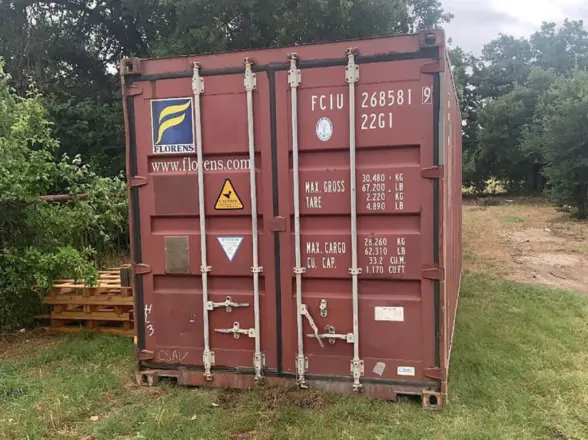
A standard 20-foot container is a popular choice for car storage. It’s compact, secure, and can usually fit one car, depending on its size. These containers are widely available and can be easily transported.
High Cube 40-Foot Containers
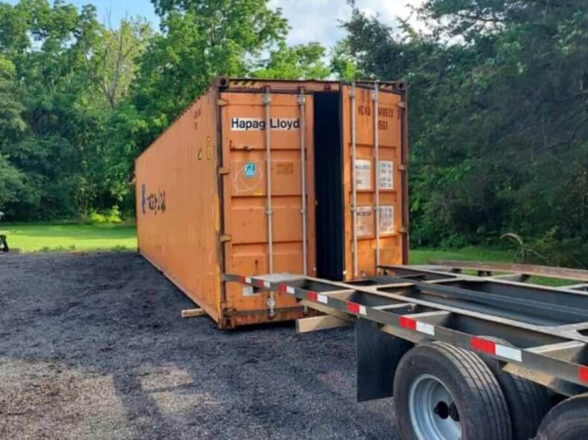
If you have a larger vehicle or need to store multiple cars, a high cube 40-foot container might be the way to go. These containers offer extra height, making them ideal for taller vehicles or for storing cars with roof racks or other tall features.

Open-Side and Open-Top Container Options
Open-side and open-top containers provide additional flexibility. They are particularly useful if you need to load your car from the side or if it exceeds the standard height limit. These containers can be more expensive, but they offer convenience and ease of use.
New vs. Used Container Considerations
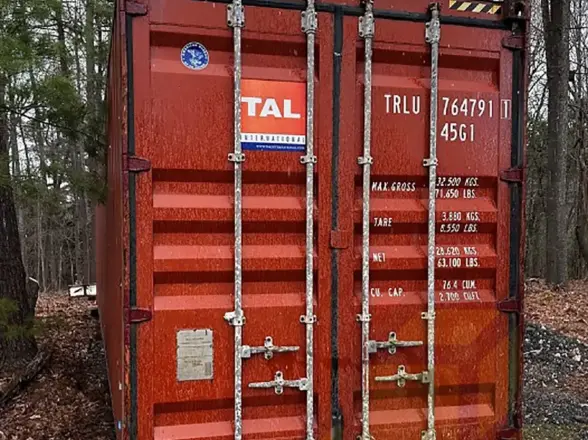
When choosing a shipping container, you also need to decide between new and used containers. New containers offer the latest security features and are in pristine condition, but they come at a higher cost. Used containers, on the other hand, are more budget-friendly but may require some maintenance or repairs.
Measuring Your Vehicle: Will It Fit?
Before storing your car in a shipping container, it’s essential to ensure that your vehicle will fit inside. Measuring your vehicle is a critical step in this process.
Standard Container Dimensions
Shipping containers come in various sizes, but the most common dimensions are 20 feet and 40 feet in length, with a standard width of 8 feet and a height of 8 feet 6 inches. To determine if your vehicle will fit, you need to know these dimensions.
Vehicle Clearance Requirements
It’s not just about fitting the container’s length; you also need to consider the clearance inside. Ensure there’s enough space around your vehicle for easy access and to prevent damage.
Door Opening Limitations
The door opening of a shipping container can be a limiting factor. Standard containers typically have doors that open to about 7 feet 8 inches wide and 7 feet 6 inches high.
Width Constraints
Consider the width of your vehicle in relation to the container’s door opening to ensure it can be loaded easily.
Height Restrictions
Similarly, check the height of your vehicle against the container’s height to avoid any issues during loading.
Tools for Accurate Measurement
To measure your vehicle accurately, use a tape measure or a laser measuring tool. Record the length, width, and height of your vehicle to compare with the container’s dimensions.
By following these steps, you can ensure that your vehicle fits comfortably within the shipping container, making storage or transport safe and efficient.

Preparing Your Car for Container Storage
To ensure your vehicle remains in good condition during container storage, several preparatory steps are necessary. Proper preparation is crucial for maintaining the car’s condition and preventing potential damage.
Cleaning and Detailing Before Storage
Before storing your car, it’s essential to clean and detail it thoroughly. This includes washing the exterior, vacuuming the interior, and applying a protective wax coating to the paint. A clean car is less likely to attract pests and will be easier to maintain during storage.
Fluid Levels and Battery Considerations
Check your car’s fluid levels, including engine oil, coolant, and brake fluid, to ensure they are at the recommended levels. Consider using a battery maintainer or disconnecting the battery to prevent drain during storage.

Tire Pressure and Support Blocks
Maintaining the correct tire pressure is vital to prevent flat spots during storage. Consider using support blocks or tire cradles to take the weight off the tires and maintain their shape.
Removing or Securing Loose Items
Remove any loose items from the car, including accessories and personal belongings, to prevent damage or loss during storage. Secure any remaining items to prevent them from shifting during transit or storage.
Fuel Tank Recommendations
It’s recommended to fill the fuel tank to prevent moisture accumulation and corrosion. Consider using a fuel stabilizer to maintain the fuel’s quality during storage.
| Preparation Task | Description |
|---|---|
| Cleaning and Detailing | Wash and wax the exterior, vacuum the interior |
| Fluid Levels | Check engine oil, coolant, and brake fluid |
| Tire Pressure | Maintain correct pressure, consider support blocks |
| Loose Items | Remove or secure items to prevent damage or loss |
| Fuel Tank | Fill the tank, consider using a fuel stabilizer |
By following these preparatory steps, you can ensure your car remains in good condition during container storage. Proper preparation is key to maintaining the vehicle’s condition and preventing potential damage.
Shipping Container Car Storage: What to Know About Storing a Car in a Shipping Container
To store a car safely in a shipping container, it’s crucial to prepare the container and load the vehicle correctly. This involves several key steps to ensure the car remains in good condition during storage.
Container Preparation
Before loading your car, you need to prepare the shipping container. This includes:
Cleaning and Inspection
First, clean the container thoroughly to remove any debris or contaminants that could damage your car. Inspect the container for any signs of damage or wear, such as rust or holes, and address these issues before proceeding.
Sealing Leaks and Gaps
Next, seal any leaks or gaps in the container to prevent moisture from entering. This can be done using sealants or weatherstripping around doors and any other openings.
Loading Equipment and Techniques
When loading your car into the container, it’s essential to use the right equipment and techniques to prevent damage.
Using Car Ramps
Car ramps are often used to drive the car into the container. Ensure the ramps are sturdy and securely positioned to support the weight of your vehicle.
Winch Systems
In some cases, a winch system may be necessary to pull the car into the container, especially if the car is not drivable or if the container’s entrance is not suitable for driving.
Securing the Vehicle Inside
Once your car is inside the container, you need to secure it to prevent movement during storage.
Wheel Chocks and Straps
Use wheel chocks to prevent the car from rolling, and secure the car with straps to the container’s tie-down points.
Tie-Down Points
Ensure the straps are attached to secure tie-down points within the container to keep your car firmly in place.
Documentation and Inventory Requirements
Finally, it’s crucial to document the storage process and inventory the contents of the container.
Keep a record of the car’s condition before storage, including any existing damage. Take photographs of the car from multiple angles and document the container’s condition as well.

By following these steps, you can ensure your car is stored safely and securely in a shipping container.
Container Modifications for Optimal Car Storage
To optimize your shipping container for car storage, several key modifications can be made. These enhancements not only protect your vehicle but also make the storage and retrieval process more efficient.
Flooring Options
Installing appropriate flooring is crucial for safe car storage. You can choose from various materials such as plywood or specialized container flooring. The right flooring helps prevent damage to your vehicle’s tires and undercarriage.
Ventilation Modifications
Proper ventilation is essential to prevent moisture buildup inside the container. You can install vents or modify existing openings to ensure good airflow. This helps in reducing the risk of rust and mold on your vehicle.
Lighting Installation
Adding lighting inside the container can make it easier to access and inspect your vehicle. You can install LED lights or other suitable lighting solutions that are safe for the container environment.
| Modification | Benefits |
|---|---|
| Flooring | Prevents tire damage, provides a stable surface |
| Ventilation | Reduces moisture, prevents rust and mold |
| Lighting | Enhances visibility, eases inspection and access |
Side Door Additions
Installing a side door can significantly improve access to your vehicle. This modification allows for easier loading and unloading, making it a practical solution for many car owners.
Ramp Integration Solutions
A ramp can facilitate the loading and unloading of your vehicle. You can choose from various ramp designs and materials, ensuring a safe and convenient entry and exit from the container.
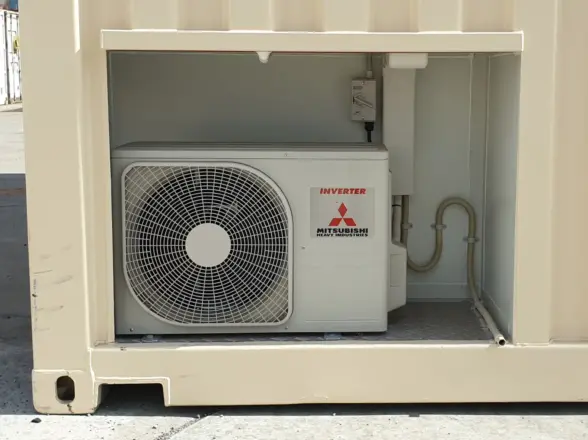
Climate Control and Moisture Prevention
When storing a car in a shipping container, controlling the climate and preventing moisture buildup are essential steps. Moisture can lead to rust, mold, and other forms of damage that can significantly reduce the vehicle’s value and longevity.
Dehumidifiers and Moisture Absorbers
Using dehumidifiers and moisture absorbers is a proactive way to manage humidity levels inside the container. There are different types of products available for this purpose.
Electric Dehumidifiers
Electric dehumidifiers are effective at removing moisture from the air. They are particularly useful in humid climates or during seasons of high rainfall.
Desiccant Options
Desiccant products, such as silica gel packets, absorb moisture without the need for electricity, making them a convenient and energy-efficient alternative.
Ventilation Solutions
Proper ventilation is crucial for maintaining air circulation and preventing the buildup of stale air that can contribute to moisture accumulation. Installing vents or using ventilation fans can help achieve this.
Temperature Monitoring Systems
Monitoring the temperature inside the container can help you take corrective actions if it fluctuates beyond the desired range. This can be achieved through the use of temperature sensors and monitoring systems.
Insulation Considerations
Insulating the container can help regulate the internal temperature and reduce the risk of moisture condensation. Various insulation materials are available, each with its own benefits.
Car Covers and Their Benefits
Using a car cover can provide an additional layer of protection against dust and moisture. It’s essential to choose a cover that is breathable to prevent moisture trapping.
By implementing these climate control and moisture prevention strategies, you can ensure that your vehicle remains in good condition while stored in a shipping container.
Security Measures for Container Car Storage
Securing your car in a shipping container is crucial to prevent theft and vandalism. A comprehensive security plan is essential to protect your vehicle during storage.
Lock Types and Security Systems
Choosing the right lock for your shipping container is vital. You have several options, including padlocks and container locks, each with its own advantages.
Padlocks vs. Container Locks
Padlocks are widely available and can be effective, but container locks are specifically designed for shipping containers, offering enhanced security features.
Electronic Security Options
Electronic security options, such as alarms and smart locks, can provide an additional layer of protection for your stored vehicle.
Surveillance Options
Installing surveillance cameras near your shipping container can deter potential thieves and provide valuable evidence in case of a security breach.
Container Placement Considerations
The location of your shipping container can significantly impact its security. Opt for a well-lit, monitored area to reduce the risk of theft.
Theft Deterrent Strategies
In addition to physical security measures, consider implementing theft deterrent strategies, such as keeping the container out of sight and varying the storage location.
| Security Measure | Effectiveness | Cost |
|---|---|---|
| Padlocks | Moderate | Low |
| Container Locks | High | Moderate |
| Electronic Security | High | High |
Maintenance During Long-Term Storage
When storing your car in a shipping container for an extended period, regular maintenance is crucial to ensure it remains in good condition. Neglecting maintenance can lead to issues such as battery drain, tire damage, and pest infestation.
Periodic Check-up Schedule
Establishing a regular check-up schedule is vital. This includes inspecting the battery, tires, and engine, as well as checking for any signs of rodent or pest infestation. Regular checks help identify potential problems early, preventing costly repairs.
Battery Maintenance Solutions
To maintain your car’s battery during storage, consider using trikle chargers or disconnecting the battery. Trickle chargers keep the battery charged at an optimal level, while disconnecting it prevents drain.
Trickle Chargers
Trickle chargers are devices that provide a low-level charge to the battery, maintaining its health. They are particularly useful for long-term storage.
Battery Disconnection
If you prefer not to use a trickle charger, disconnecting the battery is a viable alternative. This prevents the battery from draining due to inactivity.
Preventing Tire Flat Spots
To prevent flat spots on your tires, consider using jack stands to lift the vehicle, or rotate the tires periodically if it’s not feasible to move the car.
Engine Start Procedures
Periodically starting the engine helps maintain its health. Ensure the container is well-ventilated to prevent the buildup of harmful fumes.
Rodent and Pest Prevention
Rodents and pests can cause significant damage to your vehicle. Using repellents or sealing entry points can help prevent infestations.
Legal and Cost Considerations
Before storing your car in a shipping container, it’s crucial to understand the legal implications and financial commitments involved.
Zoning and Permit Requirements
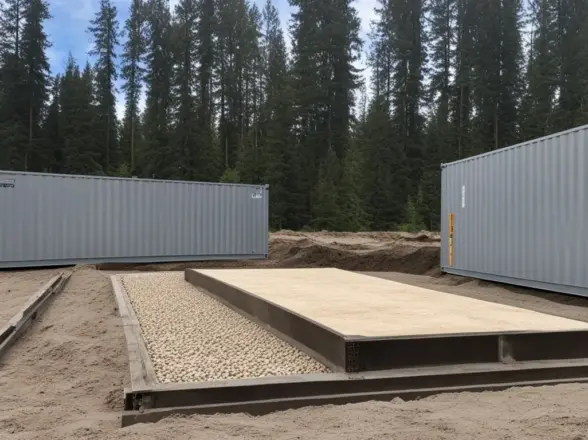
Ensure that your location is zoned for storing shipping containers. You may need to obtain permits or comply with local regulations.
Insurance Options for Container-Stored Vehicles
Explore insurance options that cover your vehicle while it’s stored in a shipping container. This can provide financial protection against damage or loss.
Container Purchase vs. Rental Analysis
Decide whether to purchase or rent a shipping container based on your long-term needs and financial situation.
Initial Investment Comparison
Purchasing a shipping container requires a significant upfront investment, while renting involves ongoing rental fees.
| Cost Factor | Purchasing | Renting |
|---|---|---|
| Initial Cost | High | Low |
| Ongoing Costs | Maintenance | Rental Fees |
Long-Term Cost Benefits
While purchasing a container may seem costly upfront, it can be more cost-effective in the long run. Renting, on the other hand, provides flexibility but may become more expensive over time.
Resale Value of Shipping Containers
Consider the resale value of shipping containers when deciding to purchase. A well-maintained container can retain its value.
Conclusion
You now understand the benefits of using a shipping container for car storage. This method provides a secure, flexible, and cost-effective way to store your vehicle. By choosing the right container and preparing it properly, you can ensure your car remains in good condition.
When considering shipping container car storage, it’s essential to think about the type of container that suits your needs, the preparation required for your vehicle, and the security measures you can implement. Whether you’re storing a classic car or a daily driver, a shipping container offers a reliable storage solution.
In conclusion, shipping container car storage is a viable option for car owners who need to store their vehicles securely. With the right preparation and knowledge, you can ensure your car is protected and maintained during storage. Consider the benefits and take the necessary steps to secure your vehicle’s future.
Shipping containers are so tough, they come with a 25-year warranty!
At Shipping Conex – Official Affiliate of Used Conex LLC you have the opportunity to get a FREE quote today and unlock the endless possibilities that shipping containers can bring to your storage space. By simply filling out a quick form on our website, you can take the first step towards transforming your cluttered storage area into a well-organized and efficient haven for your belongings.
FAQ
What are the benefits of storing a car in a shipping container?
Storing a car in a shipping container provides protection from harsh environmental conditions, theft, and vandalism. The containers are made from strong steel, designed to withstand harsh weather conditions. They also offer a cost-effective solution for long-term storage and can be easily relocated if needed.
How do I determine if my car will fit in a shipping container?
To determine if a car will fit in a shipping container, measure the vehicle’s dimensions and compare them to the container’s internal dimensions. Consider the door opening limitations and clearance requirements to ensure easy access and safe storage.
What preparations are necessary before storing a car in a shipping container?
Before storing a car in a shipping container, clean and detail the vehicle, check fluid levels, and maintain the battery. Proper tire pressure and support blocks can help prevent damage, and securing loose items will ensure the car remains in good condition.
How can I optimize a shipping container for car storage?
To optimize a shipping container for car storage, consider installing flooring, improving ventilation, and adding lighting. Side door additions and ramp integration can also enhance the container’s functionality.
What climate control measures are essential for shipping container car storage?
To prevent damage from extreme temperatures and moisture, use dehumidifiers, improve ventilation, and monitor temperature. Insulation and car covers can also provide additional protection.
How can I ensure the security of a car stored in a shipping container?
To ensure the security of a car stored in a shipping container, use high-quality locks, install surveillance systems, and strategically place the container. Theft deterrent strategies, such as keeping the container out of sight, can also be effective.