

Shipping Conex
Blog
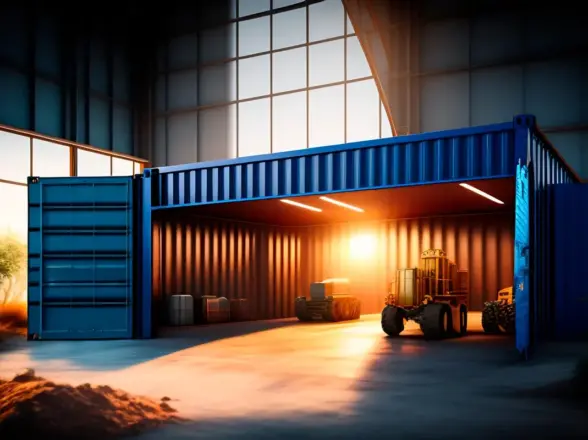
Shipping Container Barn: 5 Surprising Uses

As Elon Musk once said, “When something’s important enough, you do it even if the odds are not in your favor.” This mindset is key when looking at shipping container barns.
These structures are more than just for storing or shipping goods. They can be turned into unique spaces for different needs.

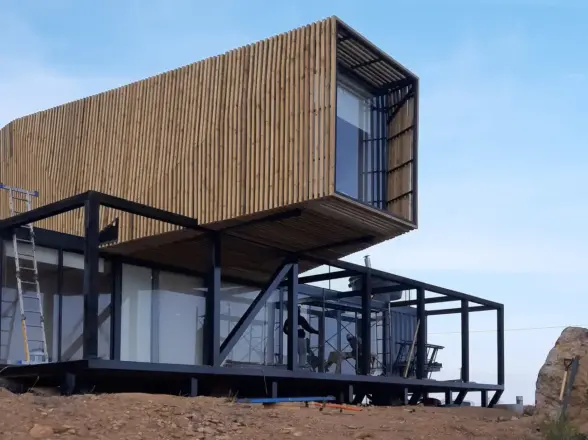
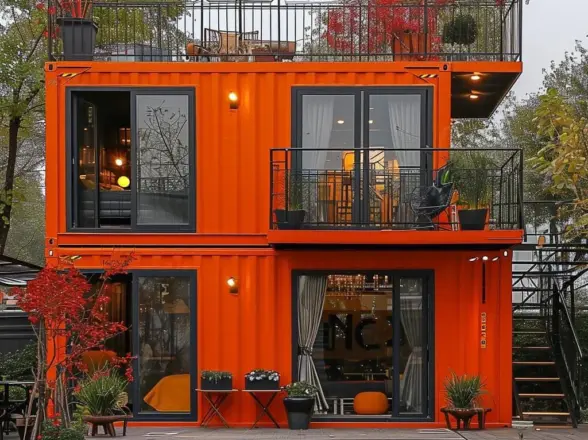
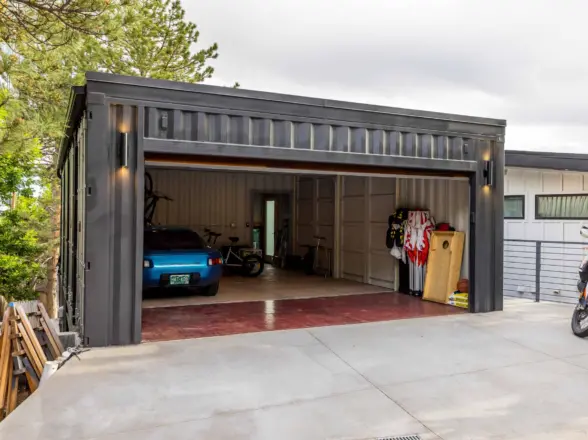
The shipping container barn is very versatile. You can change it into a space that fits your needs, like a home, office, or event area.
Key Takeaways
- Discover the potential of shipping container barns beyond their original purpose.
- Explore creative shipping container uses that can transform your space.
- Learn how to repurpose a shipping container into a functional area.
- Understand the benefits of using a shipping container barn as a home or office.
- Find inspiration for your next project with unique shipping container barn homes.
The Rise of Shipping Container Architecture in Agriculture
The agricultural world is changing fast, with shipping containers leading the way. This change is because of the need for sustainable and cost-effective solutions in farm management.

Why Shipping Containers Are Revolutionizing Farm Structures
Shipping containers are changing farms by offering flexible and adaptable spaces. Their design makes it easy to grow or change them as needed.
Sustainability and Cost-Effectiveness of Container Barns
Using shipping containers in farming is great for the planet. It cuts down on waste and environmental harm. Plus, container barns are often cheaper than regular buildings, helping farmers save money.
Overview of Conversion Possibilities
Shipping containers can be turned into many things, like homes for animals or places to store things. Farmers can find unique shipping container buildings that fit their needs, making their work more efficient.
By using shipping container architecture, farmers can build useful, efficient, and sustainable farm structures. These structures meet their changing needs.
Planning Your Shipping Container Barn Project
To make your shipping container barn dream come true, start with a good plan. A well-thought-out plan will guide you through the challenges of turning a shipping container into a useful barn.
Assessing Your Agricultural Needs and Space Requirements
First, think about what you need for your farm. Consider the activities you’ll do, the tools you’ll use, and how much space you’ll need. Also, think about the future. Will your needs change? How can you make your barn flexible?
Key considerations include: the size of your farm, the type of crops or animals, and any special needs for climate control or storage.
Choosing the Right Container Size and Type
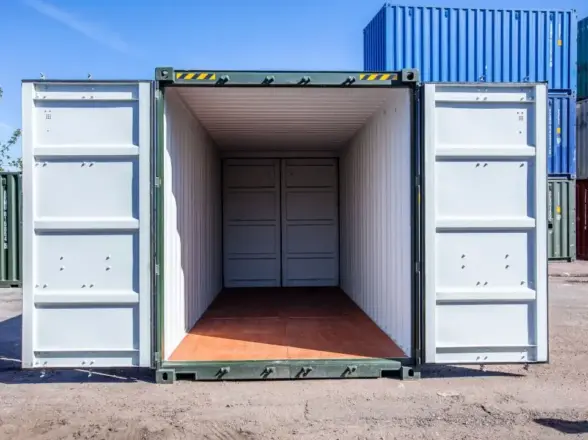
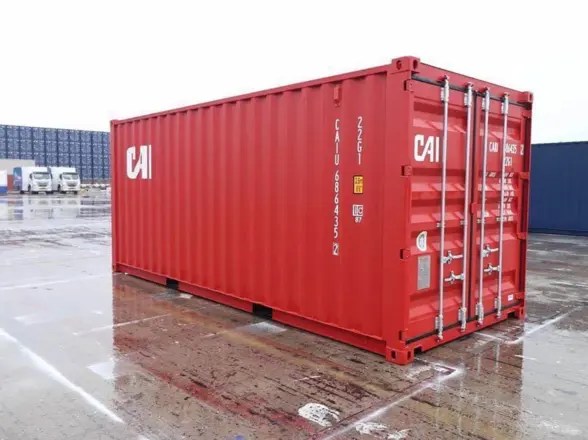
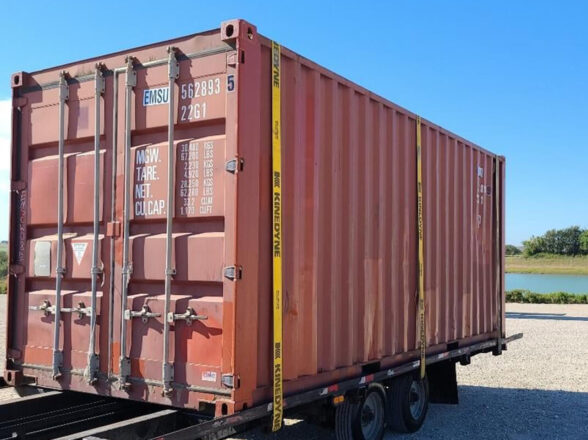
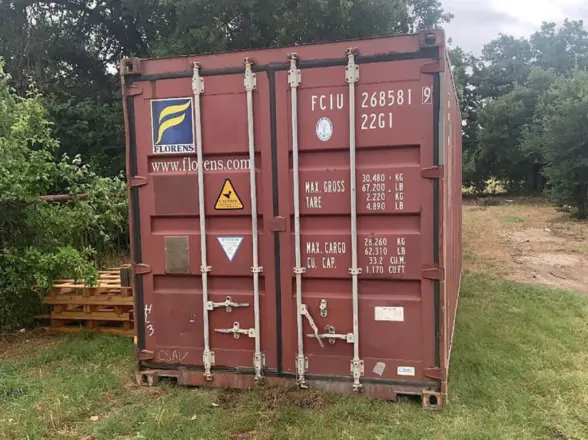
Shipping containers vary in size, usually 20 or 40 feet long. Your choice depends on the space you have, your budget, and what you plan to use the barn for. Also, consider the condition and type of container; new or one-trip containers are best for less rust and damage.

Site Preparation and Foundation Options
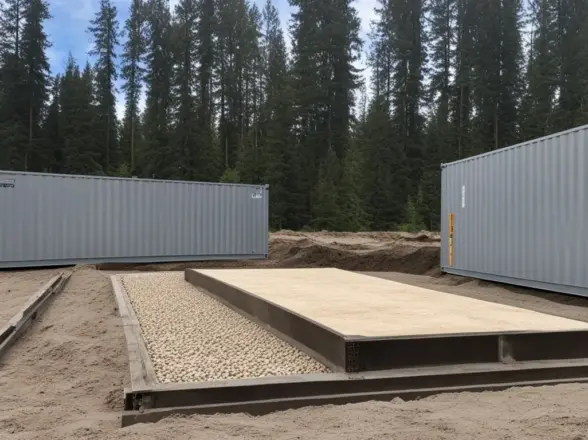
Getting your site ready is key for a stable and lasting shipping container barn. This means clearing the land, leveling it, and preparing the foundation.
Concrete Pad Foundations
A concrete pad foundation is a solid, level base that offers great support. It’s perfect for bigger containers or if you plan to make big changes.
Pier Foundations
Pier foundations place the container on piers or footings. This method is less invasive and can save money, good for smaller containers or stable soil areas.
Ground Preparation Essentials
No matter the foundation, making sure the ground is ready is crucial. This includes removing trash, leveling the land to avoid water buildup, and compacting the soil to stop settling.
With careful planning, you can build a practical, efficient, and eco-friendly farm space that fits your needs.
Legal and Practical Considerations Before You Begin
Before starting your shipping container barn project, it’s crucial to understand the legal and practical considerations involved. As you embark on this innovative agricultural venture, you must navigate through various regulations and requirements to ensure your project is compliant and successful.
Zoning Laws and Building Permits in Rural Areas
Zoning laws and building permits are critical factors to consider when building a shipping container barn. Although regulations vary by location, it’s essential to:
- Research local zoning ordinances that apply to your rural area
- Obtain necessary building permits before commencing construction
- Comply with environmental regulations, such as those related to water usage and waste management
Consulting with local authorities and experts can help you understand the specific requirements for your shipping container barn project.
Structural Modifications and Safety Requirements
When modifying shipping containers for agricultural use, safety is paramount. Consider the following:
- Ensure structural integrity by reinforcing the container to withstand environmental conditions
- Implement safety features, such as proper ventilation, lighting, and emergency exits
- Comply with building codes related to electrical and plumbing installations
By prioritizing safety and structural soundness, you can create a reliable and durable shipping container barn.
Insurance Considerations for Alternative Farm Structures
Insuring your shipping container barn is vital to protect your investment. You should:
- Research insurance options specifically designed for alternative farm structures
- Consider coverage for natural disasters, theft, and liability

By understanding and addressing these legal and practical considerations, you can ensure a successful shipping container barn project that meets your agricultural needs.
Shipping Container Barn – Five Different Uses That Will Surprise You
Shipping container barns are changing farming with five surprising uses. They offer more than traditional barns can. You can customize them for your farm’s needs.

Breaking Down Traditional Barn Limitations
Traditional barns are often too fixed for today’s farming. Shipping container barns can change to fit your needs. They’re great for housing animals or storing crops.
This flexibility helps farmers keep up with market changes or weather. It’s a big plus for those who need to adjust quickly.
Adaptability for Changing Agricultural Needs
Farming is always evolving, and so are farm structures. Shipping container barns can grow or change as needed. They’re perfect for trying new crops or farming methods.
This ability to adapt keeps your farm competitive. It helps you stay ahead of new trends and challenges.
Cost Comparison with Traditional Barn Construction
Shipping container barns are also cheaper than traditional barns. Using old shipping containers saves money. Plus, you can build them in stages, which cuts costs even more.
In short, shipping container barns are a game-changer for farming. They overcome old barn limits, adapt to new needs, and save money. They’re a smart choice for today’s farmers.
Surprising Use #1: Livestock Housing and Management Systems
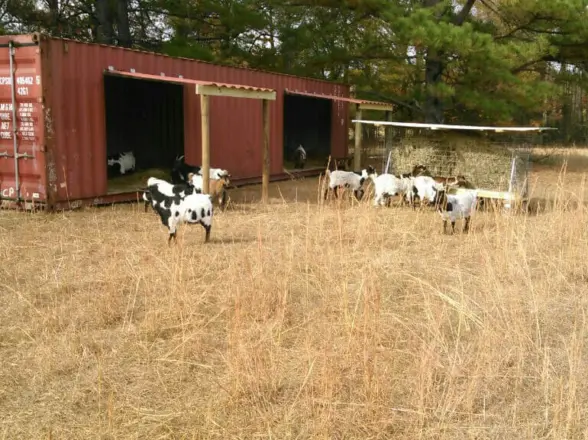
Shipping container barns are surprisingly used for housing and managing livestock. They offer a mix of functionality and sustainability. This approach is becoming popular among farmers for its cost-effectiveness and flexibility.
Step 1: Planning Animal Spaces and Traffic Flow
First, plan the layout of the shipping container barn carefully. Design it to fit the animals comfortably and ensure easy movement. Think about the animals’ size, how they move, and where they eat. A good layout is key for their health.
- Measure the container and plan the inside layout.
- Think about how many animals it will hold and their needs.
- Make sure there’s enough space for eating, drinking, and moving.
Step 2: Installing Proper Ventilation and Climate Control
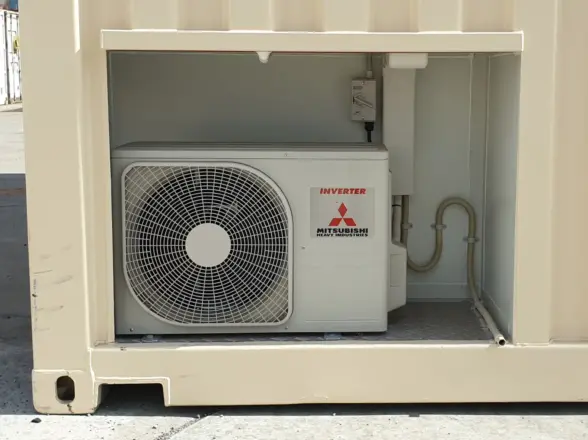
Good ventilation and climate control are vital for a healthy barn. Install ventilation systems to manage temperature and humidity. This includes fans, vents, and climate control systems for the best environment.
- Put in fans and vents for better air flow.
- Use climate control systems to keep the temperature and humidity right.
- Check the barn’s environment often to keep it perfect.
Step 3: Creating Feeding and Waste Management Systems
Efficient feeding and waste systems are crucial for a smooth barn. Automated feeding systems make feeding easier. Good waste management keeps the barn clean and odor-free.
Automated Feeding Options
Automated feeding systems feed the animals at set times. This saves time and reduces waste.
Waste Collection Solutions
A good waste collection system is essential. It should be easy to clean and maintain. This includes manure systems for easy waste removal, keeping the barn clean.
Step 4: Adding Animal Comfort and Safety Features
Finally, add features for animal comfort and safety. This includes comfortable flooring, enough light, and safety measures. Comfortable flooring reduces injury risk and improves animal well-being.
By following these steps, farmers can make a shipping container barn that’s functional and safe for animals. Using converted shipping containers for livestock is a unique shipping container building solution that’s sustainable and cost-effective.
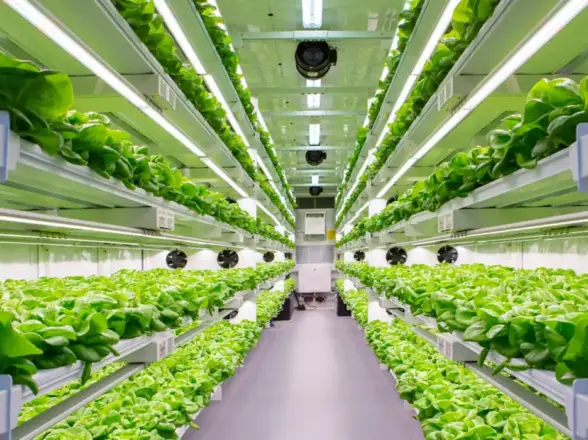
Surprising Use #2: Controlled Environment Agriculture and Vertical Farming
Turning a shipping container into a controlled environment for growing crops can change how you farm. It lets you grow food all year, no matter the weather outside.
Insulating and Sealing for Climate Control
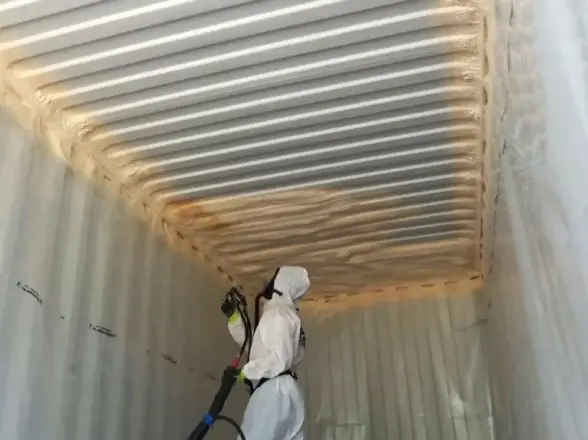
The first thing to do is make sure the container is well-insulated and sealed. Add insulation to the walls, floor, and ceiling to keep the temperature steady. Seal any gaps to keep the weather out.
Installing Growing Systems and Irrigation
Then, set up growing systems and irrigation. Hydroponic or aeroponic systems are great for this. They let you control exactly what your plants get, making sure they grow well.
- Hydroponic systems give plants nutrient-rich water right at their roots.
- Aeroponic systems spray the roots with nutrient-rich solution.
- Both can be set to work automatically.
Setting Up Lighting and Environmental Controls
Lighting is key for growing plants indoors. LED grow lights are a top choice because they’re energy-efficient and can be set to match what different plants need.
LED Lighting Configurations
You can set up LED lights to fit what your plants need at each stage. This means you can use different light types for seedlings, growing plants, and mature plants.
Automated Climate Monitoring
Automated systems help keep the temperature, humidity, and CO2 levels just right. These systems work with your irrigation and lights for a fully automated setup.
Maximizing Growing Space with Vertical Systems
Use vertical systems to make the most of your space. These can be layers of plants or trellises for climbing plants. They increase your growing area, improve air flow, and lower disease risk.
By following these steps, you can make a shipping container into a productive farm space. This shows how creative shipping container uses can improve your farming. Whether you’re looking for shipping container conversion ideas or a full shipping container barn workshop, this method is versatile and green.
Surprising Use #3: Multi-Function Workshop and Equipment Storage
Using a shipping container barn as a workspace and storage for farm equipment is surprising. It can greatly improve your farm work. You get a safe, organized spot for fixing and storing equipment.
Step 1: Designing Your Workspace Layout
Plan your workspace based on the tasks and equipment you’ll use. A good layout boosts efficiency and safety. Think about how to arrange things to reduce movement and increase productivity.
Step 2: Installing Power and Utility Systems
To make your barn work, you need power and utilities. This includes outlets, lights, and maybe plumbing for a sink. Make sure everything is safe and fits your needs.
Step 3: Creating Storage Solutions for Farm Equipment
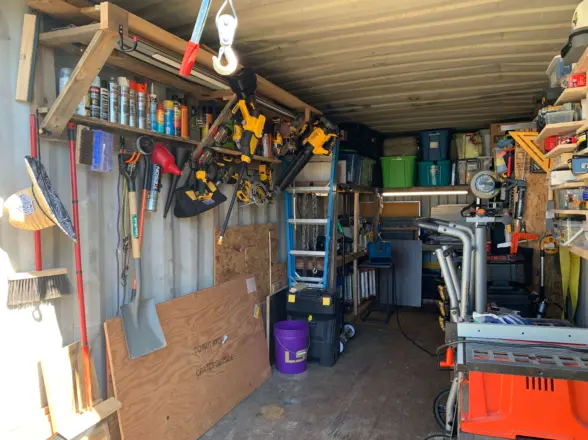
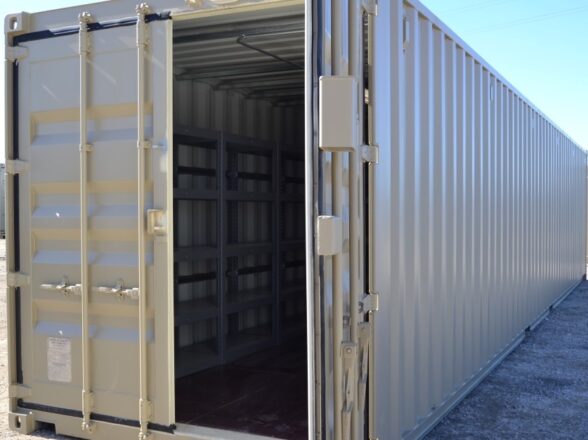
Good storage keeps your workshop organized and safe. Use wall-mounted and modular solutions to organize tools and equipment.
Wall-Mounted Organization Systems
Wall systems keep tools handy and the floor clear. You can use slatwall panels, pegboards, or shelves.
Modular Storage Units
Modular units are flexible and can be tailored to your needs. They’re great for storing big equipment or supplies, keeping them safe and out of the way.
| Storage Solution | Benefits | Best For |
|---|---|---|
| Wall-Mounted Systems | Space-saving, easy access | Frequently used tools |
| Modular Units | Flexible, customizable | Larger equipment, supplies |
Step 4: Adding Security Features and Access Points
Security is key in your shipping container barn. Add strong locks, cameras, and controlled entry points. This protects your equipment and tools.
By following these steps, you can turn a shipping container into a useful workshop and storage area. It will make your farm work better and more efficient.
Surprising Use #4: Harvest Processing and Value-Added Production Facility
Turning a shipping container into a processing facility can boost your farm’s profits. It lets you handle and package your crops better, improving quality and cutting costs.
Designing Food-Safe Interior Surfaces
It’s key to make the inside of your container safe for food. Use materials like stainless steel or epoxy that are easy to clean and don’t rust. This keeps the surfaces smooth and prevents bacteria from growing.
Installing Processing Equipment and Stations
Next, add the needed equipment and stations. This might be sorting tables, washing stations, and packaging machines. Arrange them to work well together and avoid contamination.
Creating Proper Storage Conditions for Products
Keeping your products in the right conditions is crucial. This means having areas that control temperature and humidity.
Temperature-Controlled Storage Areas
Keeping perishables at the right temperature is essential. Use refrigeration or climate control to keep your products fresh longer.
Humidity Management Systems
Managing humidity is also key to prevent spoilage. Use systems to keep the air at the right moisture level for your products.
Here’s an example of how to optimize storage conditions:
| Product Type | Ideal Temperature (°F) | Ideal Humidity (%) |
|---|---|---|
| Fresh Fruits | 32-40 | 80-90 |
| Dried Goods | 50-70 | 50-60 |
| Value-Added Products | 40-60 | 60-70 |
Meeting Food Safety Regulations and Standards
Make sure your facility follows all food safety rules. This means keeping it clean, training staff, and checking regularly for compliance.
By following these steps, you can make a top-notch processing facility. It will help your farm make more money and stay competitive.
Surprising Use #5: Agritourism Destination and Farm Store
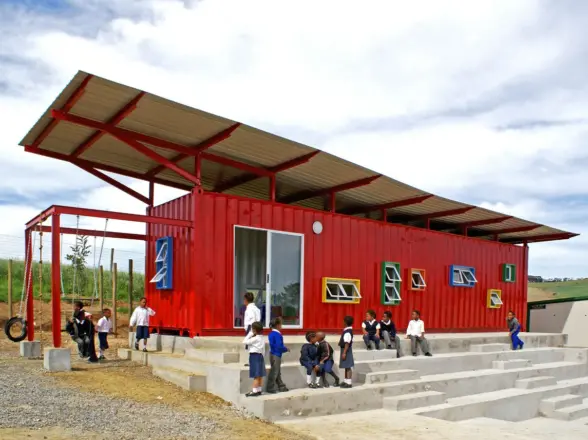
Turning a shipping container into an agritourism spot can be very profitable. It attracts visitors and opens up a new way to make money. By using a shipping container barn, you can offer a unique experience that stands out.
Step 1: Designing an Appealing Customer Experience
To make a great agritourism spot, focus on the visitor experience. Think about how people will move around, interactive displays, and educational parts. Use creative shipping container uses to make the most of the space.
Step 2: Creating Display and Retail Areas
It’s important to have good display and retail areas. Make your products stand out with attractive displays. Make sure your retail space is easy to get around. Think about adding a shipping container barn workshop for visitors to learn more.
Step 3: Adding Customer Amenities and Accessibility Features
To make sure visitors have a good time, add amenities and accessibility features. This includes:
- Comfortable seating areas
- Clean restroom facilities
- ADA compliance considerations to ensure accessibility for all visitors
Restroom Facilities
Clean and accessible restrooms are a must. Make sure they are easy to find and meet health standards.
ADA Compliance Considerations
It’s important to make your place accessible to everyone. This is not just the law, but it makes everyone’s visit better. Talk to experts to make sure your barn meets ADA standards.
Step 4: Developing Marketing Strategies for Your Container Attraction
After you’re open, start marketing to get more visitors. Use social media, local ads, and local business partnerships. Think about hosting special events or tours to keep visitors coming back.
Conclusion: Embracing Innovation with Shipping Container Barns
Shipping container barns are more than just storage. They offer flexible solutions for many agricultural needs. You can use them for housing livestock or as agritourism spots. By using shipping containers, you can create unique buildings that reduce waste and bring new ideas to your farm.
A well-designed shipping container barn can change the game. It helps you meet changing agricultural needs while being sustainable and cost-effective. Whether for managing livestock or adding value to your farm, these structures are very flexible.
Exploring shipping containers for your farm is exciting. The key to success is careful planning and execution. This way, you can fully use these innovative structures and elevate your agricultural projects.
FAQ
What are the benefits of using a shipping container barn?
Shipping container barns are good for the environment and save money. They can be used in many ways, like for farming. This reduces the need for new materials and cuts down on waste.
Can I modify a shipping container for livestock housing?
Yes, you can change a shipping container for animals. Make sure it has good air flow, temperature control, and safety features. This will make a nice home for your animals.
How do I prepare the site for a shipping container barn?
To get ready for your barn, check the land, remove trash, and level it. Pick a good base, like a concrete pad or pier foundation. This ensures your barn is stable and drains well.
How do I choose the right shipping container size for my barn project?
To pick the right size, think about what you need for your farm. Look at how much space you have. Choose a container that fits your needs, considering its height, width, and length.
What are the zoning laws and building permits required for shipping container barns?
Zoning laws and permits for shipping container barns differ by area. Check local rules and talk to officials to follow them. You might need special permits or to meet certain building codes.
How do I ensure food safety in a shipping container barn used for harvest processing?
To keep food safe, make the inside surfaces safe for food. Install the right equipment and keep things stored properly. Learn about food safety rules to follow them.
Can shipping container barns be used for agritourism destinations?
Yes, you can turn shipping container barns into places for tourists and farm stores. Make it welcoming for visitors. Set up areas for displays and sales, and add amenities for guests.
What are the insurance considerations for shipping container barns?
Insurance for shipping container barns includes coverage for accidents, damage, and if you can’t work. Talk to an insurance expert to find the best options for your situation.
Shipping containers are so tough, they come with a 25-year warranty!
At Shipping Conex – Official Affiliate of Used Conex LLC you have the opportunity to get a FREE quote today and unlock the endless possibilities that shipping containers can bring to your storage space. By simply filling out a quick form on our website, you can take the first step towards transforming your cluttered storage area into a well-organized and efficient haven for your belongings.