

Shipping Conex
Blog
How Long Do Shipping Containers Really Last?

Have you ever wondered about the toughness of heavy industrial steel boxes? These rugged units serve as the primary backbone of global trade today.
They often survive harsh salt air and intense stacking across the vast ocean. Understanding their true durability is vital if you plan to use one for a home or storage.
Generally, the average shipping container lifespan varies greatly based on its environment and care. Most experts suggest these massive structures can endure for 15 to 40 years, as long as you maintain them.
This range depends on the way you treat the metal and protect it from coastal air. Proper upkeep ensures the steel stays strong for a very extended period of time.

Many factors influence whether these units survive for decades or succumb to rust quickly. By exploring the details of their construction, you can better predict their utility for your project.
Let’s dive into exactly what determines their integrity in the real world today. Learning these specific facts helps you make a smart and safe investment for your future.
Understanding Shipping Containers and Their Original Purpose
Understanding the construction and purpose of shipping containers is essential for appreciating their role in international trade. You might be surprised at how much goes into making these containers durable and long-lasting.
What Are Shipping Containers?
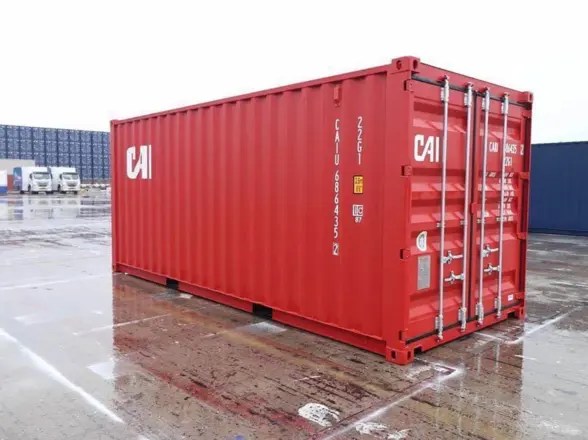
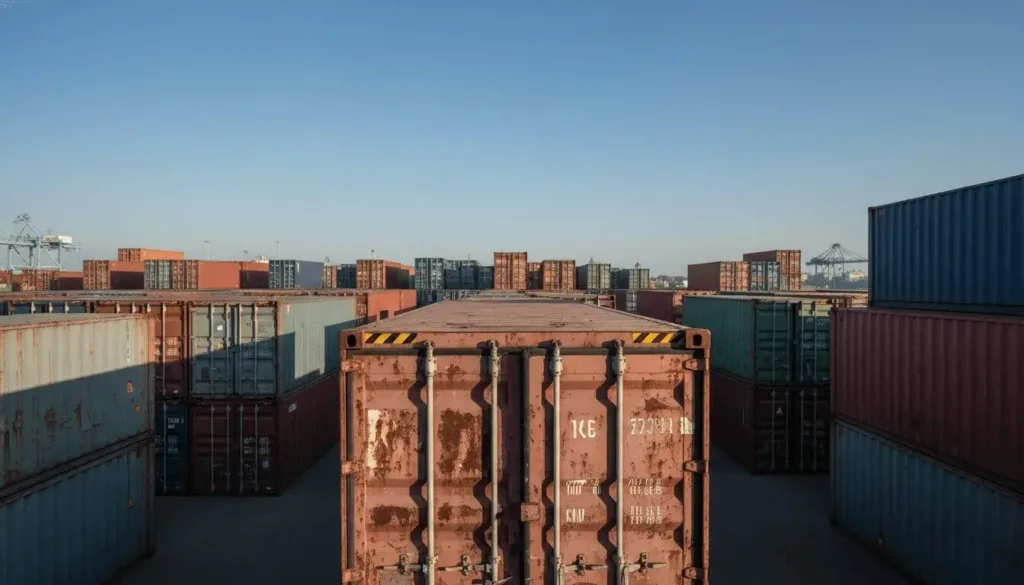
Shipping containers are made of strong Corten steel, built to withstand severe weather and rough conditions during transit. They are designed to keep contents secure against pests, vermin, and intruders, ensuring the safe transportation of goods.
Design Standards and Manufacturing Quality
The durability of shipping containers is largely attributed to their design standards and manufacturing quality. Key factors include:
- Robust materials that resist corrosion
- Structural integrity to withstand heavy loads
- Secure locking mechanisms for safe transportation
These factors contribute to the overall lifespan of cargo containers, making them a reliable choice for global trade.
Original Intended Use and Service Life
Originally, shipping containers were designed for repeated use in the transportation of goods by sea, rail, and road. Their service life was expected to be substantial, given their robust construction. The average service life can vary based on usage and maintenance.
How Long Do Shipping Containers Really Last?
You might be surprised at how long shipping containers can last under the right conditions. The lifespan of a shipping container is influenced by various factors, including its original purpose, maintenance, and the environment in which it is used.
Average Lifespan in Marine Service
The average lifespan of a shipping container in marine service is around 10 to 15 years. This is because containers in marine service are exposed to harsh conditions such as saltwater, high humidity, and extreme temperatures. Regular maintenance is crucial to extend their lifespan in such environments.
Extended Lifespan for Land-Based Applications
When shipping containers are repurposed for land-based applications, their lifespan can be significantly extended. With proper maintenance, they can last up to 25 years or more. Factors such as less exposure to saltwater and more controlled environmental conditions contribute to this extended lifespan.

Record Longevity Cases and Examples
There are several cases where shipping containers have been known to last for decades. For instance, containers that are well-maintained and used in less corrosive environments have been reported to remain in good condition even after 30 years of service. Some key factors contributing to their longevity include:
- Regular inspection and maintenance
- Protection from extreme weather conditions
- Avoidance of heavy usage and harsh handling
These examples demonstrate that with proper care and under the right conditions, shipping containers can far exceed their average expected lifespan.
Types of Shipping Containers and Their Durability Differences
Understanding the different types of shipping containers is crucial for assessing their durability and longevity. Shipping containers are designed for various purposes, and their construction, materials, and maintenance requirements can significantly impact their lifespan.
Standard Dry Containers
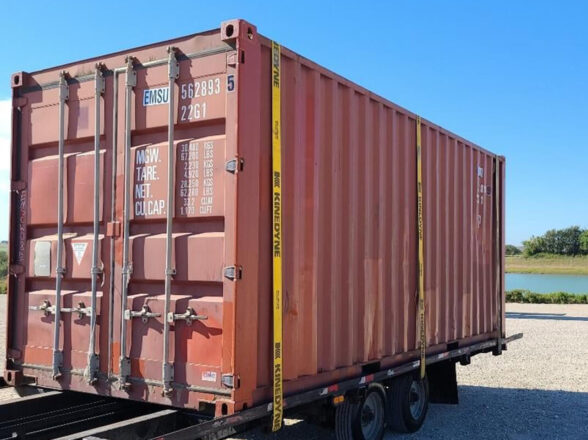
Standard dry containers are the most commonly used type of shipping container. They are designed for general cargo and are available in various sizes.
Construction and Materials
These containers are typically made from corrugated steel, which provides excellent strength and durability. The corrugation pattern helps to increase the container’s resistance to bending and stress.
Expected Lifespan
The average lifespan of a standard dry container is around 10 to 15 years when used in marine service. However, with proper maintenance, they can last longer when repurposed for land-based applications.
The durability of shipping containers is directly related to their construction quality and maintenance.
— Container Shipping Expert
High Cube Containers
High cube containers offer extra height compared to standard dry containers, making them ideal for bulky or oversized cargo.
Construction and Materials
High cube containers are constructed similarly to standard dry containers but with additional height. They are also made from corrugated steel, ensuring they are strong and durable.
Expected Lifespan
The lifespan of high cube containers is similar to that of standard dry containers, ranging from 10 to 15 years in marine service. Their extra height does not significantly impact their durability.

Refrigerated and Specialized Containers
Refrigerated containers, also known as reefers, are designed to transport perishable goods at controlled temperatures. Specialized containers are used for unique cargo that requires specific conditions.
Construction and Materials
Refrigerated containers are built with insulation and refrigeration units to maintain the required temperature. They are made from materials that can withstand the rigors of refrigeration and are designed to be energy-efficient.
Expected Lifespan
The lifespan of refrigerated containers is generally shorter than that of dry containers, typically ranging from 8 to 12 years, due to the complexity of their refrigeration systems and the need for regular maintenance.
| Container Type | Construction Materials | Expected Lifespan (Marine Service) |
|---|---|---|
| Standard Dry | Corrugated Steel | 10-15 years |
| High Cube | Corrugated Steel | 10-15 years |
| Refrigerated | Insulated, Refrigeration Unit | 8-12 years |
Regular maintenance is key to extending the lifespan of any shipping container. Container maintenance tips include regular inspections, rust prevention, and ensuring that all parts are in good working condition.
Critical Factors Affecting Shipping Container Longevity
You should consider various critical factors when assessing the longevity of shipping containers. The lifespan of these containers is influenced by a combination of environmental, operational, and maintenance-related factors.
Environmental Conditions and Climate Impact
Environmental conditions play a significant role in determining the longevity of shipping containers. Containers exposed to harsh weather conditions, such as high temperatures, heavy rainfall, or extreme cold, may deteriorate faster than those stored in more temperate climates. For instance, containers used in tropical regions are more susceptible to rust and corrosion due to the high humidity.

Salt Water Exposure and Corrosion
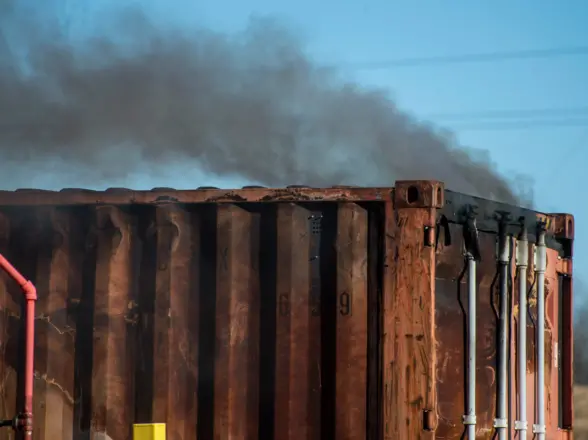
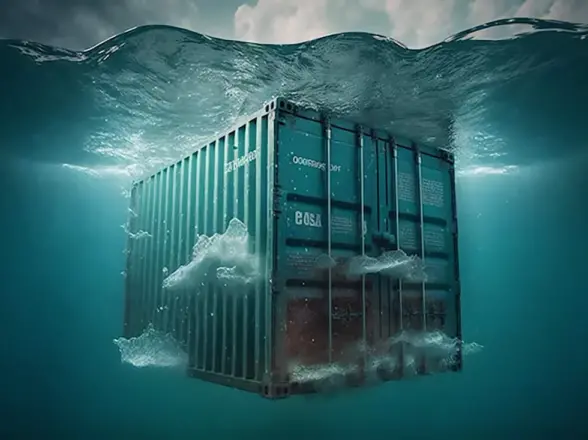
Salt water exposure is another critical factor that affects the longevity of shipping containers. Containers used in marine environments are constantly exposed to saltwater, which accelerates the corrosion process. Regular cleaning and coating can help mitigate this effect, but it remains a significant challenge for containers operating in these conditions.
Usage Intensity and Handling Frequency
The intensity of use and handling frequency also significantly impact the lifespan of shipping containers. Containers that are frequently loaded, unloaded, and transported are subject to more wear and tear, leading to a shorter lifespan. Proper handling practices, such as careful lifting and securing, can help reduce the risk of damage.
Container Age and Condition Grades
The age and initial condition of a shipping container are crucial in determining its longevity. Newer containers or those that are well-maintained are likely to last longer than older containers or those that have been poorly maintained. Condition grades, such as those provided by container inspection services, can help buyers and users assess the remaining lifespan of a container.
By understanding these critical factors, you can better assess the longevity of shipping containers and make informed decisions regarding their use, maintenance, and reuse.
Essential Maintenance Requirements for Maximum Lifespan
To maximize the lifespan of your shipping containers, regular maintenance is not just beneficial, it’s essential. Proper care ensures that your containers remain in good condition, continue to serve their purpose effectively, and retain their value over time.
Regular Inspection and Assessment
Regular inspections are critical for identifying potential issues before they become major problems. You should check for signs of wear and tear, damage, and any other factors that could affect the container’s integrity. This includes examining the roof, walls, doors, and floor for any signs of rust, dents, or breaches in the structure.
- Inspect the container’s exterior and interior for damage or wear.
- Check the doors and locking mechanisms to ensure they are functioning properly.
- Look for signs of rust or corrosion, especially in areas prone to moisture.
Rust Prevention and Treatment Methods
Rust can significantly weaken a shipping container, so preventing and treating it is crucial. You can apply rust-inhibiting coatings to protect the metal surfaces. For existing rust, use appropriate treatments to stop its progression and repair any damage.
Rust prevention tips:
- Apply a rust-inhibiting primer and paint to exposed metal surfaces.
- Regularly inspect for and address any rust spots.
- Ensure good drainage to prevent water accumulation.
Weatherproofing and Seal Maintenance
Weatherproofing is vital to prevent water ingress and maintain the container’s structural integrity. Check the seals around doors and any other openings regularly and replace them if necessary. Applying weatherproof coatings can also help protect the container from the elements.
Weatherproofing strategies include:
- Sealing any gaps or cracks in the container’s structure.
- Applying weatherproof membranes to the roof and walls.
- Ensuring that all joints and seams are properly sealed.
Structural Repairs and Reinforcement Needs
Over time, shipping containers may require structural repairs or reinforcements due to wear and tear or damage. Identifying and addressing these needs promptly is essential to maintain the container’s usability and safety.
By following these maintenance guidelines, you can significantly extend the lifespan of your shipping containers, ensuring they remain a valuable asset for your business.
Comprehensive Pros and Cons of Shipping Container Durability
As you explore the potential of shipping containers for your projects, understanding their durability pros and cons is crucial. Shipping containers are known for their robustness and longevity, but like any other structure, they have their advantages and disadvantages.
Key Advantages of Shipping Containers
Shipping containers offer several benefits that make them an attractive choice for various applications. Some of the key advantages include:
Exceptional Structural Strength and Load Capacity
Shipping containers are designed to withstand harsh marine environments and heavy loads. Their structural strength is one of their most significant advantages, allowing them to be used for a variety of purposes beyond their original intent.
Superior Weather and Pest Resistance
Containers are built to resist extreme weather conditions and pest infestations, making them ideal for storage and other applications where protection from the elements is crucial.
Long-Term Cost-Effectiveness
Despite the initial investment, shipping containers can be cost-effective in the long run due to their durability and the minimal maintenance they require.
Versatility and Modification Potential
One of the most significant advantages of shipping containers is their versatility. They can be easily modified to suit various needs, from residential homes to commercial spaces.
| Advantages | Description |
|---|---|
| Structural Strength | Withstands harsh environments and heavy loads |
| Weather Resistance | Resists extreme weather conditions |
| Cost-Effectiveness | Minimal maintenance required |
| Versatility | Easily modifiable for various applications |
Notable Disadvantages and Limitations
While shipping containers have many advantages, they also come with some significant drawbacks. Understanding these limitations is essential for making informed decisions.
Corrosion and Rust Vulnerability
One of the primary concerns with shipping containers is their susceptibility to corrosion and rust, particularly when exposed to saltwater or high humidity environments.
Ongoing Maintenance Demands
To ensure longevity, shipping containers require regular maintenance, including rust prevention and weatherproofing measures.
Variable Initial Condition Quality
The condition of used shipping containers can vary significantly, making it crucial to inspect them thoroughly before purchase or use.
Insulation and Climate Control Challenges
Shipping containers can be challenging to insulate and control climate within, which can limit their use for certain applications.
| Disadvantages | Description |
|---|---|
| Corrosion Vulnerability | Susceptible to rust and corrosion |
| Maintenance Needs | Requires regular maintenance |
| Variable Condition | Condition of used containers can vary |
| Insulation Challenges | Difficult to insulate and control climate |
Real-World Performance Across Different Applications
As you explore the diverse uses of shipping containers, their ability to withstand different conditions becomes apparent. Shipping containers are utilized in a wide range of applications, from shipping and storage to conversion into homes and offices.
Performance in Various Climate Zones
Shipping containers are exposed to various climate zones, including tropical, temperate, and arctic regions. Their performance in these different environments is a testament to their durability.
- In tropical climates, containers are resistant to high temperatures and humidity.
- In temperate zones, they withstand moderate temperatures and seasonal changes.
- In arctic regions, containers are capable of withstanding freezing temperatures and snow.
Long-Term Storage and Warehouse Applications
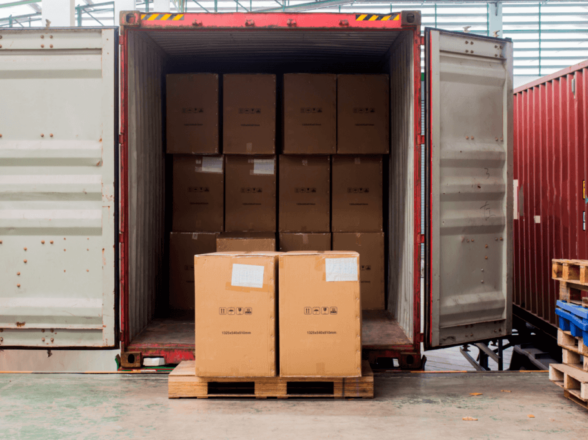
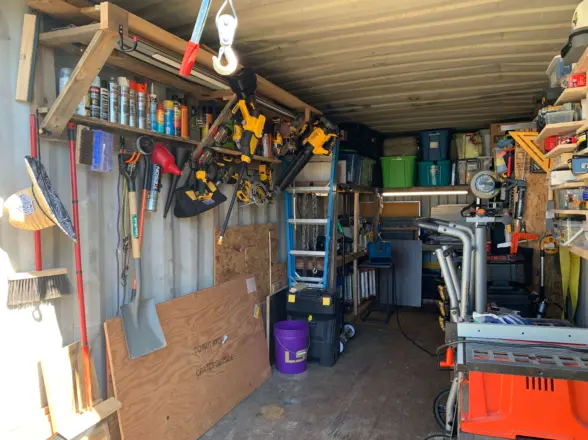
Shipping containers are often used for long-term storage and as makeshift warehouses due to their secure and weather-resistant nature. Their durability ensures that stored goods remain safe and secure.
Key benefits of using shipping containers for storage include:
- Security: Containers can be locked and secured, protecting valuable goods.
- Weather resistance: Containers are designed to withstand harsh weather conditions.
- Flexibility: Containers can be easily transported or stored on-site.
Container Conversion Projects and Their Durability
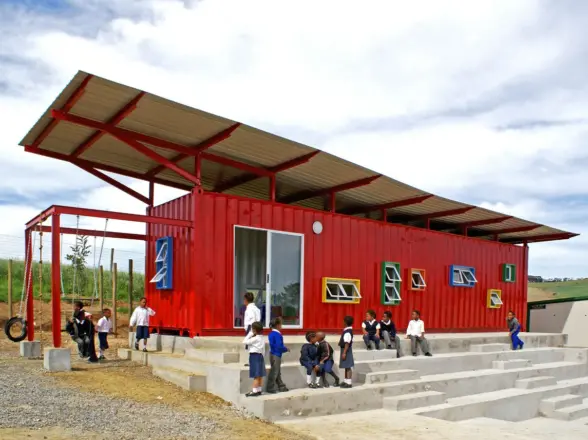
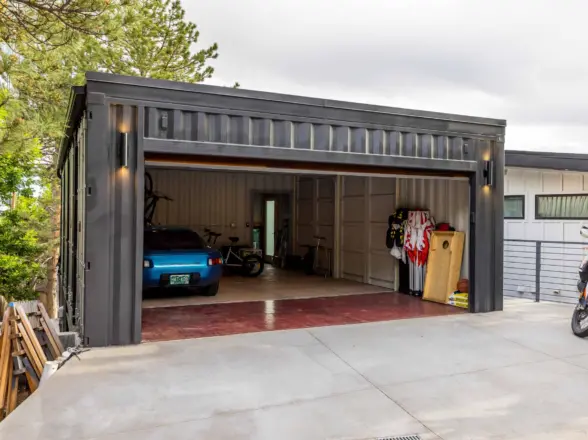
Shipping containers are increasingly being converted into homes, offices, and other structures. The sustainability of shipping containers makes them an attractive option for these projects.
Some notable examples of container conversion projects include:
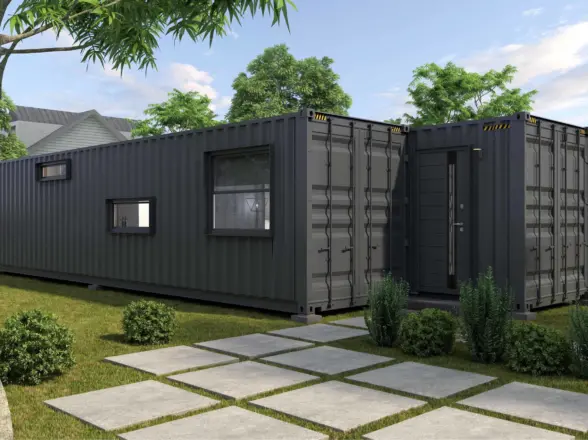
- Residential homes: Containers are used to build unique and eco-friendly homes.
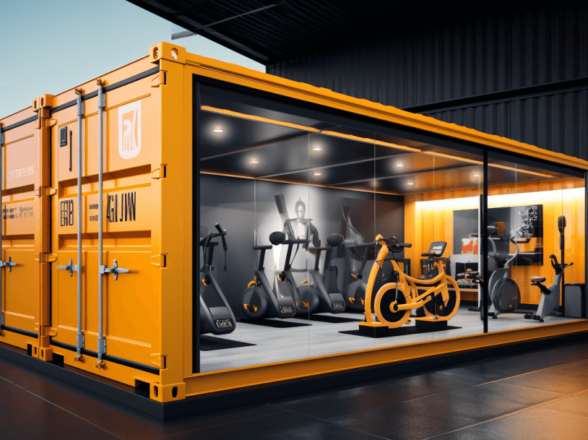
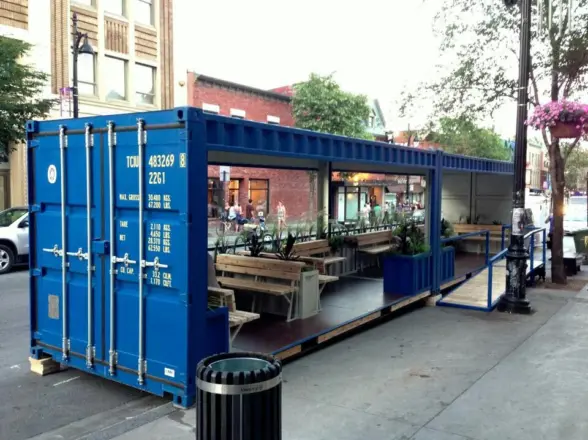
- Commercial spaces: Containers are converted into offices, cafes, and retail spaces.
- Community projects: Containers are used in community initiatives, such as pop-up shops and event spaces.
The sustainability of shipping containers is further enhanced by their reuse in these conversion projects, reducing the need for new building materials and minimizing waste.
Repurposing Shipping Containers for Extended Use and Sustainability
Repurposing shipping containers is not just a creative endeavor; it’s a step towards a more sustainable future. You can give old shipping containers a new life by transforming them into various functional spaces, thereby reducing waste and promoting environmental sustainability.
The practice of repurposing shipping containers has gained popularity due to its potential to support eco-friendly initiatives. By reusing these containers, you contribute to minimizing the environmental footprint associated with manufacturing new materials and disposing of old containers.
Residential Container Homes and Living Spaces
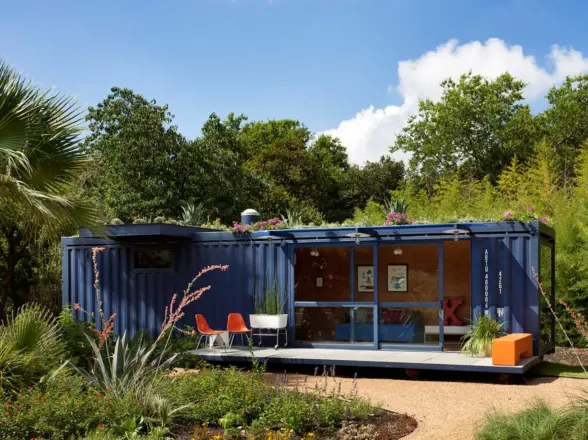
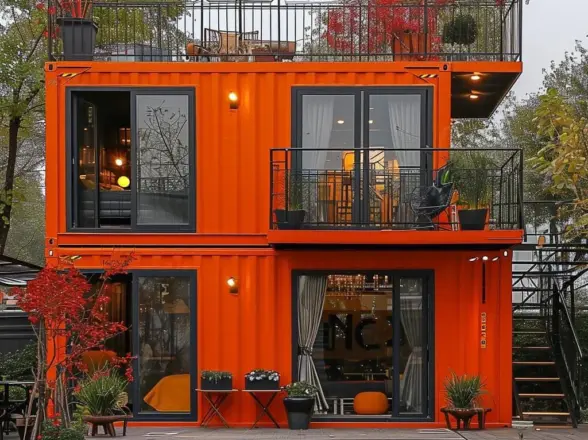
One of the most innovative uses of repurposed shipping containers is in the creation of residential homes and living spaces. These container homes are not only eco-friendly but also offer a unique, modern aesthetic. You can design them to be cozy, spacious, and fully equipped with modern amenities.
Key benefits of container homes include:
- Affordability compared to traditional housing
- Flexibility in design and layout
- Reduced construction time
As noted by architectural experts, “Container homes represent a significant shift towards sustainable living, combining functionality with eco-consciousness.”
The use of shipping containers in residential construction is a testament to human ingenuity in redefining waste materials as valuable resources.
Commercial, Retail, and Office Applications
Shipping containers are also being repurposed for commercial, retail, and office spaces. These converted containers can serve as pop-up shops, cafes, or even offices, offering a unique and flexible workspace solution.
The advantages of using shipping containers for commercial purposes include their mobility, durability, and the ability to be easily customized to meet specific business needs. You can brand them according to your business identity, creating a distinctive presence in the market.
Agricultural and Industrial Storage Solutions
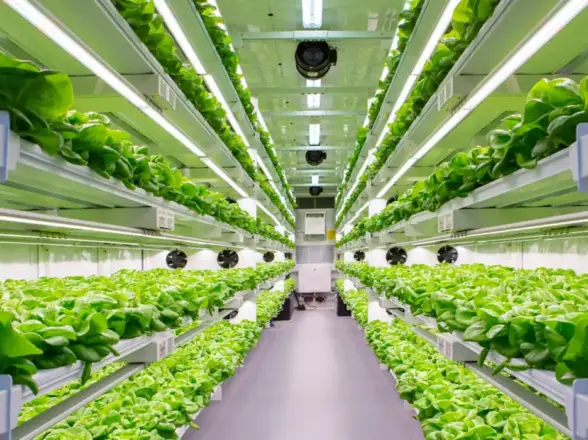
In addition to residential and commercial applications, shipping containers are widely used for agricultural and industrial storage. They provide a secure, weather-resistant space for storing equipment, produce, or inventory.
Repurposing containers for storage purposes helps in maintaining the quality of stored goods and equipment by protecting them from environmental elements. You can also customize the interior to suit specific storage needs, such as refrigeration units for perishable goods.
Environmental Benefits and Sustainability Factors
The environmental benefits of repurposing shipping containers are multifaceted. By giving a new life to these containers, you reduce the demand for new raw materials, decrease waste, and lower the carbon footprint associated with producing and disposing of containers.
Sustainability factors to consider:
- Reduction in waste and pollution
- Conservation of resources
- Lower energy consumption compared to traditional construction methods
As the world continues to embrace sustainable practices, the role of repurposed shipping containers is likely to expand, offering innovative solutions across various sectors.
Conclusion
You now understand that the lifespan of shipping containers varies significantly based on factors such as environmental conditions, usage intensity, and maintenance. Properly maintained, shipping containers can last for many years, making them a durable and sustainable option for various applications.
The longevity of shipping containers is influenced by their original design standards, manufacturing quality, and intended use. By understanding these factors and implementing regular maintenance, you can extend the lifespan of shipping containers and maximize their value.
As you’ve seen, shipping containers are versatile and can be repurposed for a range of uses, from residential homes to commercial and industrial applications. Their durability and sustainability make them an attractive option for those looking for cost-effective and environmentally friendly solutions.
When considering how long shipping containers really last, it’s clear that their lifespan is directly tied to the level of care and maintenance they receive. By prioritizing maintenance and understanding the factors that affect shipping container lifespan, you can ensure that your containers remain in good condition for years to come.
FAQ
How long do shipping containers really last in a typical setting?
When you consider how long do shipping containers really last, it depends heavily on their environment. In the demanding world of ocean freight with companies like Maersk, a unit typically has a service life of 10 to 12 years. However, once retired to land for storage or housing, the shipping container lifespan can easily extend to 25 or 30 years with basic upkeep.
What are the primary factors affecting container longevity?
Several factors affecting container longevity include exposure to salt water, local humidity levels, and the frequency of physical handling. Containers located in corrosive coastal environments will experience a shorter lifespan of cargo containers compared to those kept in dry, inland climates. Additionally, the original grade of the unit—whether it is “One-Trip” or “Cargo Worthy”—significantly impacts its starting condition and future durability.
Can you provide some essential container maintenance tips?
To maximize the durability of shipping containers, you should conduct regular inspections for surface rust and treat any oxidized areas immediately with specialized zinc-rich paint. Other vital container maintenance tips include ensuring the unit is leveled to prevent door misalignment, lubricating the hinges, and keeping the roof clear of debris and standing water to prevent structural weakening.
How does the construction material impact the longevity of sea containers?
The longevity of sea containers is largely due to Corten steel (weathering steel). This specific alloy is designed to form a stable, protective layer of oxidation that inhibits deeper corrosion. This robust construction is what allows intermodal containers to withstand extreme stacking pressures and the high-stress environments of transoceanic travel.
How does climate impact the durability of shipping containers in storage applications?
The durability of shipping containers is tested most in tropical or maritime climates where high moisture and salt content accelerate the oxidation process. If you are using a container for long-term storage in these regions, you must be more proactive with weatherproofing and protective coatings to ensure the structural integrity remains intact for the full 30-year potential of the unit.
Is a used container a reliable choice for a permanent home?
Absolutely. When repurposing shipping containers for residential use, you often strip them down to the steel frame and add high-performance insulation and cladding. This protective layer shields the metal from the elements, meaning the shipping container lifespan for a home can exceed 50 years, provided the foundation remains stable and moisture-free.
At Shipping Conex – Official Affiliate of Used Conex LLC, you can request a FREE quote today and discover the endless possibilities shipping containers offer for your storage needs. Simply complete our quick online form to take the first step toward transforming clutter into a secure, organized, and efficient storage solution.