

Shipping Conex
Blog
The Best Foundations for Shipping Containers

Converting shipping containers into homes or offices requires a solid foundation. A strong base ensures stability and longevity, preventing sinking, shifting, and moisture damage.
A well-chosen foundation is essential for maintaining your container’s structural integrity. It supports the container’s weight and shields it from environmental factors.

Opting for the right shipping container foundation boosts your container home or office’s durability and safety. This choice is pivotal for your project’s success.
Why Proper Foundations Are Critical for Shipping Container Structures
Creating a solid foundation is key for shipping container homes to endure various environmental challenges. A well-crafted foundation is crucial for evenly spreading the container’s weight. This ensures the building’s structural integrity.
Weight Distribution and Structural Integrity
A proper foundation evenly distributes the container’s weight, preventing it from sinking or tilting. This is vital for the container’s structural integrity and safety for occupants.
Protection Against Moisture and Environmental Damage
A good foundation also shields the shipping container from moisture and environmental harm. Elevating the container off the ground minimizes water accumulation and corrosion risks. This extends its lifespan significantly.

Long-Term Stability Considerations
Long-term stability is another critical aspect a proper foundation addresses. It ensures the shipping container structure remains stable over time. It resists natural forces like earthquakes and strong winds.
| Foundation Type | Weight Distribution | Moisture Protection | Long-Term Stability |
|---|---|---|---|
| Concrete Slab | Excellent | Good | Excellent |
| Pier and Beam | Good | Excellent | Good |
| Pile Foundations | Excellent | Excellent | Excellent |
In conclusion, a proper foundation is essential for shipping container structures. It ensures they are safe, durable, and meet building regulations.
The Best Foundations for Shipping Containers: Comprehensive Review
Choosing the right foundation for your shipping container project requires careful consideration. You must evaluate the project’s specific needs and the environmental conditions. This evaluation will guide you in selecting the most appropriate foundation type for your container home.
Evaluating Foundation Options Based on Project Requirements
When assessing foundation options, consider the project’s intended use, duration, and local building codes. For example, a temporary storage facility might need a different foundation than a permanent home. It’s crucial to examine the soil type, drainage, and environmental conditions. This ensures the foundation can handle local challenges effectively.
Permanent vs. Temporary Solutions
The choice between a permanent and temporary foundation hinges on your project’s goals and constraints. Permanent foundations, like concrete slabs, provide long-term stability and durability. Temporary foundations, on the other hand, are better suited for short-term projects or when the container might need to be moved.
Load-Bearing Capacity Requirements
Understanding the load-bearing capacity is vital for foundation selection. You must calculate the total weight of the container, including furniture, occupants, and equipment. A foundation capable of supporting this weight is crucial for your container home’s structural integrity.
Here’s a comparison of different foundation types based on their load-bearing capacity:
| Foundation Type | Load-Bearing Capacity | Durability |
|---|---|---|
| Concrete Slab | High | High |
| Pier and Beam | Medium | Medium |
| Pile Foundations | High | High |

Concrete Slab Foundations: The Most Common Option
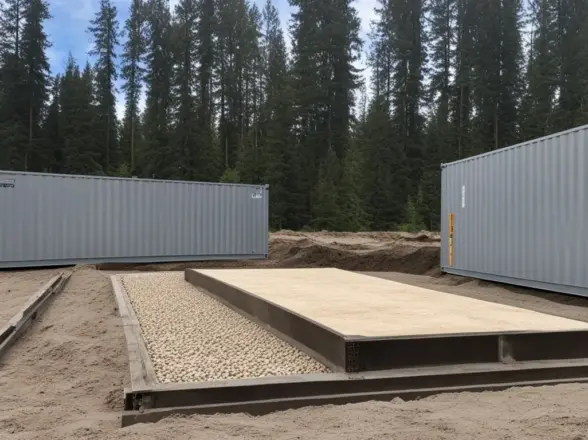
Concrete slab foundations are the preferred choice for shipping container structures. They offer durability and even weight distribution. This foundation type is especially beneficial for container homes, providing a solid base that enhances the overall structural integrity.

Overview
A concrete slab foundation is a single layer of concrete that covers the entire footprint of the container home. It is constructed by pouring concrete into a prepared site, often reinforced with steel rebar for added strength.
Pros
- Durability: Concrete slab foundations are known for their long lifespan and ability to withstand various environmental conditions.
- Even Weight Distribution: They distribute the weight of the container evenly, reducing the risk of settling or shifting.
- Low Maintenance: Once installed, concrete slab foundations require minimal maintenance.
Cons
- High Initial Cost: The initial investment for a concrete slab foundation can be substantial.
- Limited Flexibility: Once the foundation is laid, making changes or adjustments can be challenging.
- Potential for Cracking: Concrete slabs can develop cracks over time, especially if not properly reinforced.
Features and Specifications
| Feature | Specification |
|---|---|
| Material | Reinforced Concrete |
| Thickness | 4-6 inches |
| Reinforcement | Steel Rebar |
Recommendations for Different Container Configurations
For single-container homes, a straightforward concrete slab foundation suffices. However, for multi-container configurations, it’s essential to ensure the slab is designed to accommodate the combined weight and footprint of all containers. Proper planning and reinforcement are key to a successful foundation.
Pier and Beam Foundations for Elevated Container Homes
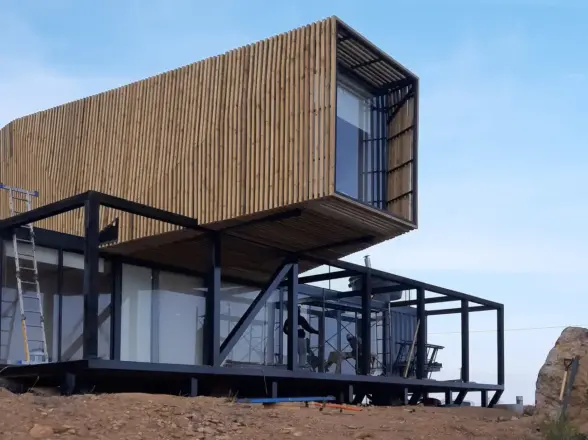
The pier and beam foundation system is a top choice for elevated container homes. It offers great ventilation and protects against moisture. This foundation type involves a network of piers and beams to support the container, lifting it above the ground.
Overview
Pier and beam foundations are perfect for elevated container homes, especially in areas with poor soil or where moisture is a concern. Elevating the container reduces water damage risks and improves airflow around the structure.
Pros
- Improved Ventilation: Elevating the container home enhances airflow, reducing moisture buildup and associated damages.
- Moisture Protection: Raising the container off the ground minimizes water seepage and damage from ground moisture.
- Flexibility: Pier and beam foundations adapt to various soil types and conditions, making them versatile for different terrains.
Cons
- Higher Initial Cost: Pier and beam foundations are more expensive to install than slab foundations.
- Complexity: The construction process is more complex, requiring precise engineering and installation.
Features and Specifications
Pier and beam foundations for elevated container homes include:
- Piers: Concrete or masonry elements that transfer the container’s weight to the ground.
- Beams: Wooden or steel beams that span between piers, supporting the container.
| Feature | Description | Specification |
|---|---|---|
| Pier Material | Concrete or Masonry | Diameter: 12-18 inches |
| Beam Material | Wood or Steel | Size: 6×6 inches or 8×8 inches |
| Pier Spacing | Distance between piers | Typically 6-8 feet |
Best Practices for Installation and Spacing
To ensure your elevated container home’s stability and longevity, follow these best practices:
- Proper Pier Spacing: Ensure piers are spaced correctly to distribute the weight evenly.
- Leveling: Use level beams to ensure the container is perfectly horizontal.
- Secure Attachment: Securely attach the container to the beams to prevent shifting or movement.
By following these guidelines and understanding the benefits and challenges of pier and beam foundations, you can create a sturdy and reliable foundation for your elevated container home.
Pile Foundations for Challenging Terrain and Soil Conditions
In areas with difficult soil conditions, pile foundations stand out as a top choice for container homes. They are designed to transfer the weight of the container structure to a deeper, more stable soil layer. This bypasses unstable or weak soil near the surface.
Overview
Pile foundations are particularly useful in challenging terrains where traditional foundation methods may not be feasible. They provide a deep and stable base for container homes.
Pros
- Deep Support: Pile foundations offer deep support, reaching stable soil layers.
- Versatility: Suitable for various soil types and conditions.
- Minimal Ground Disturbance: Installation can be done with minimal disruption to the site.
Cons
- Higher Cost: Generally more expensive than other foundation types.
- Specialized Equipment: Requires specific machinery for installation.
- Technical Expertise: Needs experienced professionals for proper installation.
Features and Specifications
Pile foundations can be made from various materials, including steel, concrete, or timber. The choice of material depends on the soil conditions, load-bearing requirements, and environmental factors.
| Material | Load-Bearing Capacity | Durability |
|---|---|---|
| Steel | High | High |
| Concrete | Very High | Very High |
| Timber | Moderate | Moderate |
Ideal Scenarios for Implementation
Pile foundations are ideal for container homes in areas with soft or unstable soil, high water tables, or sloping terrains. They are also suitable for regions prone to seismic activity. This is because they can provide the necessary flexibility and strength.
Raised Foundations for Flood-Prone Areas and Ventilation
Raised foundations are a practical solution for shipping container homes in flood-prone areas. They elevate the container, protecting it from water damage and improving ventilation underneath.
Overview
A raised foundation is especially beneficial in areas prone to flooding. It elevates the shipping container home above floodwaters. This not only safeguards the structure but also enhances airflow, reducing moisture accumulation.
Pros
- Enhanced Protection: Raised foundations protect your home from flood damage.
- Improved Ventilation: Better airflow reduces moisture buildup and related issues.
- Reduced Risk: Minimizes the risk of water-related damage to the container and its contents.
Cons
- Increased Cost: Raised foundations can be more expensive than other foundation types.
- Complexity: Requires more complex engineering and construction.
Features and Specifications
Raised foundations for shipping container homes involve piers or columns that elevate the container. The height and spacing of these supports are critical for stability. They must be engineered according to the container’s size and weight.
Recommended Height and Support Configurations
The height of a raised foundation depends on the flood risk and local building codes. Supports are spaced to distribute the weight evenly, ensuring structural integrity. It’s essential to consult with a structural engineer to determine the optimal configuration for your specific needs.
Ground Screw and Helical Pile Systems for Quick Installation
Ground screw and helical pile systems are becoming more popular for their quick setup and low environmental impact. They offer a solid foundation for container homes, especially in tough soil conditions.
Overview
These systems are designed to create a stable base without the need for deep excavation. They’re ideal for container homes because they’re easy to install and work well in different soils.
Pros
- Quick Installation: They can be set up fast, cutting down on construction time.
- Minimal Environmental Impact: They disturb the soil less than traditional methods.
- Versatility: They’re good for many soil types, even soft or unstable ones.
Cons
- Higher Initial Cost: Starting with these systems can cost more than traditional methods.
- Specialized Equipment: You need specific machines for installation, which might not be common everywhere.
Features and Specifications
These systems use steel piles or screws that are driven into the ground for a strong foundation. The details can change based on the maker and the project’s needs.
| Feature | Specification |
|---|---|
| Material | Galvanized Steel |
| Diameter | Varied (typically between 2-6 inches) |
| Installation Depth | Depends on soil conditions and load requirements |
Installation Process and Equipment Requirements
The setup involves drilling the piles into the ground with special tools. It’s a quick process that can handle various soil types.
Experts say, “The use of ground screw and helical pile systems marks a big step forward in foundation tech. They offer a mix of strength and eco-friendliness.”

DIY vs. Professional Foundation Installation: What You Need to Know
Choosing between DIY and professional installation for your shipping container foundation is critical. It impacts the structure’s longevity and stability. A solid foundation is vital for your building to endure environmental challenges and ensure safety.
Skills and Tools Required for DIY Foundation Work
Starting a DIY foundation project demands a lot of skill and the right tools. You must grasp construction principles, local building codes, and shipping container foundation specifics. Essential tools include a level, tamping equipment, and concrete mixing tools.
Key DIY Skills:
- Understanding of construction and building codes
- Experience with foundation work or similar projects
- Ability to use specialized equipment
When to Hire Professional Contractors
If you’re unsure about any foundation installation aspect or lack the necessary skills, hiring professionals is wise. They ensure the foundation is installed correctly, meeting all local regulations and providing a stable base for your shipping container.
Scenarios for Hiring Professionals:
- Complex terrain or soil conditions
- Large or multi-container projects
- Lack of experience with foundation work
Cost-Benefit Analysis of Both Approaches
When choosing between DIY and professional installation, consider the costs and benefits. DIY can save on labor costs but requires a significant time investment and carries the risk of costly mistakes. Professional installation ensures quality and compliance but comes at a higher upfront cost.
| Aspect | DIY Installation | Professional Installation |
|---|---|---|
| Cost | Lower labor costs, but potential for costly mistakes | Higher upfront cost due to labor |
| Quality and Compliance | Risk of non-compliance and quality issues | Ensured compliance and high-quality work |
| Time and Effort | Significant time and effort required | Saves time and effort for the homeowner |
In conclusion, the decision between DIY and professional foundation installation for your shipping container project hinges on your skills, the project’s complexity, and your budget. Weighing the pros and cons of each approach will guide you to an informed decision.
Regional and Environmental Factors Affecting Foundation Selection
Regional and environmental factors are crucial in choosing the right foundation for shipping container homes. These elements greatly affect the structure’s durability and stability.
Climate and Weather Considerations
The local climate and weather conditions are vital in foundation selection. For example, areas with high winds or seismic activity need foundations that can handle these forces. Ground screw and helical pile systems are often suggested for their resistance to uplift forces in windy conditions.
Soil Type and Terrain Analysis
The soil type and terrain of your site are also critical. Pile foundations are best for difficult terrain and soil, like soft or expansive soils. They transfer the load to more stable soil deeper underground.
Local Building Codes and Permit Requirements in the US
Following local building codes and obtaining permits is essential. Regulations differ by area, so consulting with local authorities is crucial. This ensures your foundation meets all safety standards and avoids legal issues.
Considering these regional and environmental factors helps make an informed choice for your shipping container home’s foundation. This ensures a safe and durable structure.
Conclusion: Making the Right Foundation Choice for Your Container Project
Choosing the right foundation is crucial for the success of your container project. Various foundation types are available, each catering to different needs. These include concrete slab foundations, pier and beam, pile foundations, and raised foundations.
When deciding on the best foundations for shipping containers, consider several factors. These include weight distribution, structural integrity, and environmental conditions. Your container home foundation must be designed to withstand local climate and soil conditions.
Understanding your project’s specific requirements is key. Evaluating the various foundation options will help you make an informed decision. This ensures long-term stability and protection against moisture and environmental damage.
Ultimately, selecting the appropriate container home foundation is vital for the longevity and safety of your container structure. Carefully consider your options to achieve a successful and durable container project.
Shipping containers are so tough, they come with a 25-year warranty!
At Shipping Conex – Official Affiliate of Used Conex LLC you have the opportunity to get a FREE quote today and unlock the endless possibilities that shipping containers can bring to your storage space. By simply filling out a quick form on our website, you can take the first step towards transforming your cluttered storage area into a well-organized and efficient haven for your belongings.
FAQ
What is the most common foundation type for shipping container homes?
The concrete slab foundation is the most common for shipping container homes. It’s chosen for its simplicity and cost-effectiveness.
How do I determine the best foundation for my shipping container project?
To find the best foundation, consider soil type, climate, load-bearing capacity, and local building codes. These factors are crucial.
What are the advantages of using a pier and beam foundation for my container home?
A pier and beam foundation improves ventilation and reduces moisture damage risk. It also offers design and layout flexibility.
Can I install a foundation for my shipping container home myself?
While DIY installation is possible, hiring a professional is recommended. It ensures proper installation and code compliance.
Can shipping containers be used for storing livestock feed?
Yes, shipping containers can be used for storing livestock feed, particularly when equipped with bulk storage systems. Consider the design and capacity of the container, as well as any necessary modifications, such as ventilation systems.