

Shipping Conex
Blog
10 Shipping Container Projects That Can Earn You Cash

Are you looking for new ways to start or grow your business? Shipping containers are a cost-effective and versatile option. With a bit of creativity, you can turn these containers into money-making ventures.

Many web sources say repurposing shipping containers can open up unique business chances. Whether you’re into retail, storage, or entertainment, the options are endless. By using the durability and flexibility of shipping containers, you can make ventures that bring in a lot of money.
Key Takeaways
- Transform shipping containers into profitable businesses.
- Explore various projects, from retail to entertainment.
- Leverage the cost-effectiveness and versatility of containers.
- Create unique ventures that generate significant income.
- Discover the potential of repurposed shipping containers.
The Rising Trend of Container Repurposing
Entrepreneurs are finding new ways to start businesses, and repurposing shipping containers is a big trend. You might see more container-based businesses around, like pop-up shops and cafes. This is because shipping containers offer unique benefits.

Why Shipping Containers Are Perfect for Entrepreneurs
Shipping containers are great for entrepreneurs because they are affordable, sustainable, and versatile. You can turn them into stores, restaurants, or even offices. Their modular design lets you grow your business easily.
Starting small is easy with a single container. You can add more as your business grows. This is perfect for small businesses and startups who need to be flexible.
The Economics of Container Investments
Understanding the costs of a shipping container business is key. You’ll need to pay for the container, conversion, and permits. Knowing these costs helps you plan your investment.
Initial Costs vs. Potential Returns
| Initial Costs | Potential Returns |
|---|---|
| Container Purchase/Rent: $1,000 – $5,000 | Rental Income: $500 – $2,000 per month |
| Conversion Costs: $5,000 – $50,000 | Retail/Office Space Rental: $1,000 – $5,000 per month |
| Permits and Licenses: $500 – $5,000 | Sales from Container-Based Businesses: $2,000 – $10,000 per month |
The table shows that shipping container businesses can be very profitable. With the right plan and business model, you can see a big return on your investment.
Places like London’s Boxpark show how successful container repurposing can be. They turned old containers into busy retail and dining spots. These venues attract lots of customers and make a lot of money.
Getting Started: What You Need to Know Before Investing
Before starting profitable shipping container projects, it’s key to know the basics. Investing in shipping containers can be rewarding but needs careful planning and research.
Understanding Container Types and Sizes
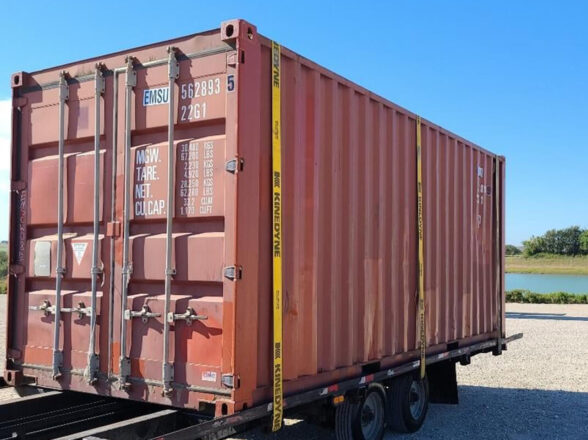
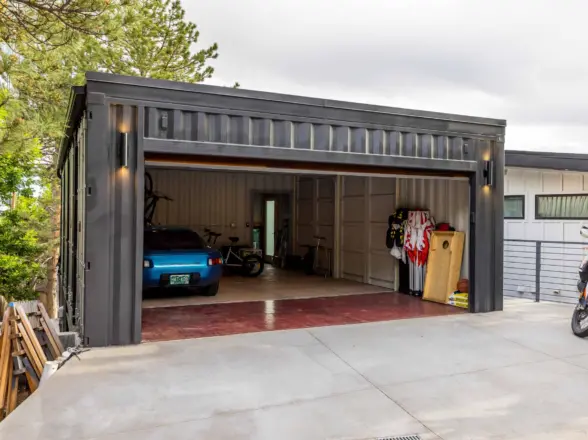
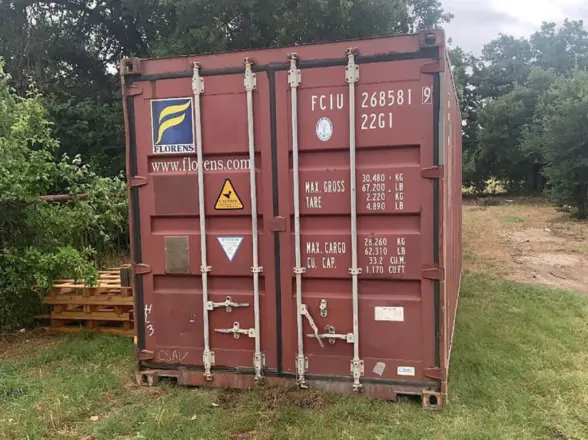
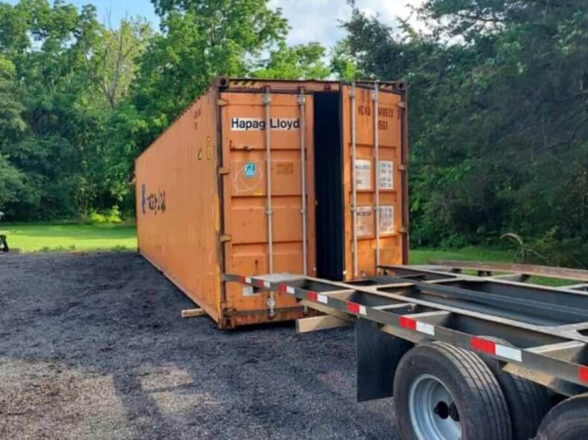
Shipping containers vary in type and size, each for different projects. You’ll find dry storage, refrigerated, and flat rack containers. Sizes range from 10 to 40 feet. Choosing the right container type and size is crucial for your project’s success.

Permits and Regulations to Consider
Before starting, it’s vital to know local regulations and permits needed. Zoning laws, building codes, and environmental rules can affect your project. Researching and following these regulations will save you time and money.
Calculating Your Initial Investment
Calculating your initial investment includes the cost of the container, modifications, permits, and other expenses. A detailed budget will help you avoid unexpected costs and ensure your project’s profitability.
Tools and Resources for Budgeting
Using budgeting tools and resources can make calculating your initial investment easier. Online calculators, budgeting software, and expert advice can offer valuable insights. As one expert says,
A well-planned budget is the backbone of any successful shipping container project.
By understanding container types and sizes, permits and regulations, and calculating your initial investment, you’ll be ready to start your shipping container project.
Shipping Container Ideas That Can Make You Money: An Overview
Turning shipping containers into money-making ventures is a smart move. These containers can be used for many businesses, like retail, hospitality, or office spaces. Each one has the chance to bring in good profits.
Evaluating Profitability Potential
Figuring out if a shipping container project will make money involves looking at a few things. You need to think about the cost to start, the ongoing expenses, and how much money it could make. Careful planning and research are key to knowing if your project will work out. Also, check if people in your area want what you plan to offer.
Matching Projects to Your Skills and Resources
Choosing the right shipping container project means picking one that fits your skills and what you have. For example, if you know a lot about food, opening a café or restaurant in a container could be a good idea. Aligning your project with your strengths makes it more likely to succeed.

Timeline Expectations for Different Projects
The time it takes to finish a shipping container project can vary a lot. Simple projects, like storage, might only take a few weeks. But, bigger projects, like turning a container into an office or restaurant, could take months. Understanding the timeline helps you plan better and manage what people expect.
By looking at how profitable a project could be, matching it to your skills, and knowing how long it will take, you can make shipping containers into successful businesses.
Project 1: Pop-Up Retail Shops
Pop-up retail shops in shipping containers are changing the retail world. They offer a cheap and flexible way to sell goods, unlike old-fashioned stores. You can make a unique shopping experience that draws in curious customers.
Setting Up Your Container Store
To make a container store work, think about where it’s located, how it looks, and the logistics. Pick a busy spot and make the inside show off your brand. Make sure your container has the basics like lights, shelves, and security.

Marketing Strategies for Container Retail
Good marketing is key for your pop-up shop’s success. Use social media to get people talking about your brand. Offer deals to bring in customers. Work with local influencers and businesses to reach more people.
Success Stories and Profit Margins
Many have made it big with shipping container shops. Low costs and unique items can lead to good profits. For example, a clothing brand might make up to 30% profit by selling seasonal items.
Step-by-Step Implementation Guide
| Step | Description | Timeline |
|---|---|---|
| 1 | Location scouting and container acquisition | 1-2 weeks |
| 2 | Design and interior fitting | 2-4 weeks |
| 3 | Marketing and promotion | 2-3 weeks |
| 4 | Launch and operations | Ongoing |
By following these steps and using shipping containers’ unique charm, you can start a successful pop-up shop. It will be a standout in the market.
Project 2: Food and Beverage Businesses
Shipping containers are becoming popular for food and drink businesses. They offer a unique dining experience that’s both sustainable and innovative.
Container Cafés and Restaurants
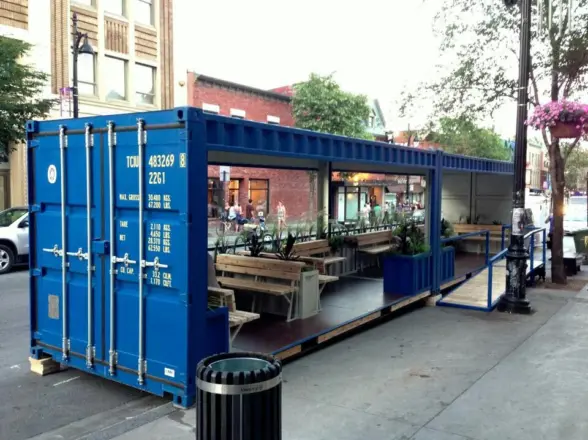
Container cafés and restaurants are becoming trendy. They have a unique appeal and lower startup costs. They’re perfect for entrepreneurs wanting to start a food business in busy areas.

Mobile Food Service Units
Mobile food service units, or food trucks, are also a great choice. They’re flexible and can go to different places based on demand.
Health Department Requirements
Starting a food and drink business in a shipping container requires following health department regulations. This includes handling food, storing it properly, and disposing of waste correctly.
Equipment and Layout Considerations
The layout and equipment of your container food business are key. They affect efficiency and customer happiness. Here are some important points to consider:
| Equipment | Purpose | Considerations |
|---|---|---|
| Commercial Kitchen Equipment | Food preparation | Space-saving designs, energy efficiency |
| Point of Sale System | Transaction processing | Integration with inventory management |
| Refrigeration Units | Food storage | Capacity, energy consumption |
By planning well, you can make your container food and drink business a success. It will stand out in the market.
Project 3: Short-Term Rental Properties
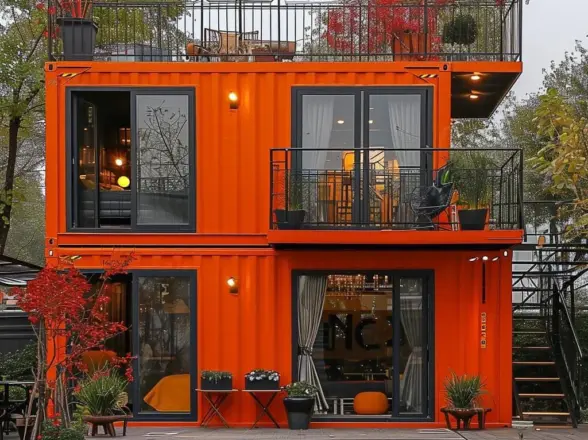
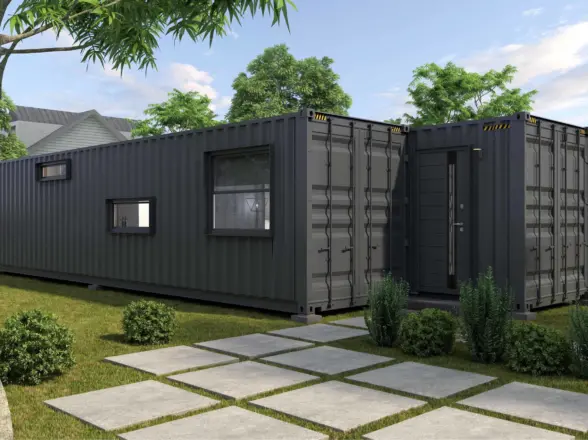
Shipping containers can be turned into cozy and profitable short-term rentals. They offer a unique stay that’s different from regular hotels. This can meet the growing demand for special places to stay.
Creating Attractive Container Accommodations
To make a container stay appealing, focus on comfortable interior design and functional amenities. Add things like plush bedding, modern kitchens, and big bathrooms. These features make guests happy.

Listing Your Container on Rental Platforms
After preparing your container, list it on sites like Airbnb and VRBO. Use great photos and detailed descriptions. This highlights your container’s special features and draws in guests.
Maximizing Occupancy and Revenue
To get more guests, use smart pricing and offer good rates. Think about special promotions and amenity packages to draw in more visitors.
Interior Design Tips for Higher Bookings
To get more bookings, create a welcoming space with smart design. Here are some tips:
- Choose a neutral color scheme to attract many guests
- Add local art and decor for a unique touch
- Include plants and greenery for a cozy feel
By using these tips and creative container utilization ideas, you can make your shipping container a successful short-term rental property. This can bring in a lot of money and give you a good return on your investment.
Project 4: Office Spaces and Coworking Hubs
Shipping containers are now used as unique office spaces and coworking hubs. This is because people want flexible, modern work places. These places help boost creativity and productivity.
Designing Functional Work Environments
To make a great coworking space, focus on maximizing natural light and flexible workstations. Add areas for breaks and teamwork. A well-designed container office can be a top choice for remote workers.

Attracting Remote Workers and Entrepreneurs
To draw in clients, show off your space’s eco-friendly design or state-of-the-art technology. Use social media and local events to promote your space. This helps build a community around it.
Subscription Models for Steady Income
Start a subscription service for a steady income. Offer day passes, monthly subscriptions, and dedicated desks. This variety attracts many remote workers and entrepreneurs.
Technology and Amenities Worth Investing In
Invest in high-speed internet, secure storage, and modern office equipment. Adding on-site cafes or wellness programs makes your space stand out. This attracts a loyal customer base.
Project 5: Storage Rental Facilities
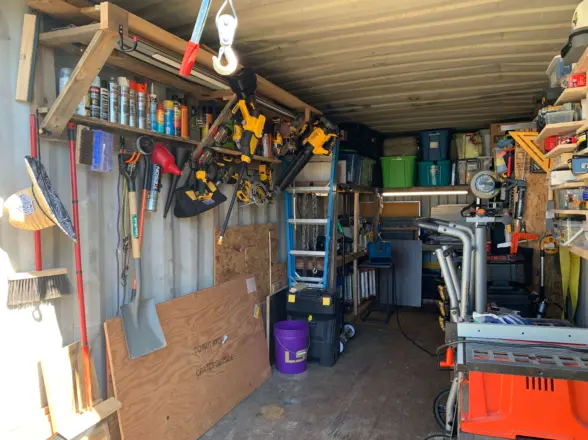
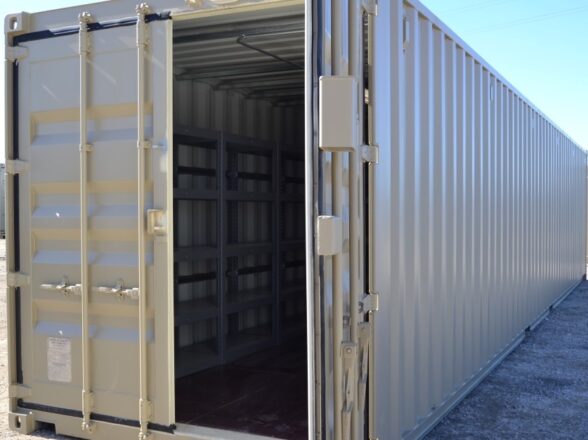
You can make money by turning shipping containers into storage rentals. This idea is easy to start and can be very profitable. Just make sure you pick a good spot and keep it safe.
Setting Up a Container Storage Business
First, find a great place for your storage business. Look for busy cities or quiet rural areas with lots of land. Make sure the area is allowed for business and easy for people to get to.
After picking a spot, arrange the containers wisely. Think about how to use the space well and make it easy for customers to get in. You might also need to add fences, lights, and cameras to keep things safe.
Security Considerations and Features
Keeping things safe is very important. Strong security helps protect your customers’ stuff and makes your business look good. Here are some ideas:
- 24/7 CCTV surveillance
- On-site security personnel
- Secure access controls (e.g., keycard entry)
- Well-lit premises
Pricing Strategies for Maximum Profit
How much you charge is key to making money. You want to be fair but also make a good profit. Think about giving discounts for long-term rentals or for people who rent more than one container.
Scaling Your Container Storage Business
As your business gets bigger, you can grow even more. You might buy more containers, open new places, or offer different services. Watch the market and change your plans to stay ahead.
| Initial Investment | Average Monthly Revenue | Annual Growth Rate |
|---|---|---|
| $100,000 | $5,000 | 10% |
| $200,000 | $10,000 | 12% |
| $500,000 | $25,000 | 15% |

Project 6: Event and Entertainment Venues
Shipping containers are perfect for creating unique event and entertainment venues. They can make a lot of money and are good for the environment. You can change them to fit any theme or event.
Creating Unique Container Event Spaces
Think about the layout, lighting, and amenities when designing your space. You can use it for weddings, corporate events, or concerts. The goal is to use the space well and make it appealing to your guests.

Booking and Promotion Strategies
Booking and promoting your venue well is key to success. Use social media to show off your space. Partner with event planners to get more people to know about it. Offering good prices and flexible packages can also draw in more clients.
Additional Revenue Streams
You can make more money by doing things like:
- Offering catering services
- Renting out equipment
- Hosting workshops or classes
Case Study: Successful Container Venues
A great example is a container café in a busy city center. It became famous by using its unique setup and social media. Now, it’s a top spot for events.
Project 7: Container Conversion Business
The container conversion business is a creative way to make money. It involves turning shipping containers into useful spaces. You need creativity, technical skills, and business knowledge to succeed.
Starting Your Own Modification Service
To start, pick a niche like homes, offices, or factories. Make a business plan. It should cover your goals, who you’re targeting, and your financial plans.
Equipment and Skills Required
You’ll need welding machines, cutting tools, and insulation. Skills in carpentry, electrical work, and plumbing are key. Investing in quality equipment and training is vital for top-notch work.
Finding Your First Clients
Network with real estate folks and entrepreneurs to find clients. Online marketing and social media can also help.
Pricing Your Conversion Services
Prices vary based on the job’s complexity, materials, and labor. Make detailed estimates to stay competitive.
| Service | Cost Factors | Average Price Range |
|---|---|---|
| Basic Conversion | Materials, Labor | $10,000 – $20,000 |
| Custom Conversion | Design, Materials, Labor | $20,000 – $50,000 |
| Complex Conversion | Design, High-end Materials, Labor | $50,000 – $100,000+ |
Focus on quality and customer service to build a thriving business. This way, you can meet the growing need for innovative container home designs and shipping container business ideas.
Project 8: Urban Farming and Agricultural Solutions
You can turn shipping containers into productive farms. This idea offers a unique business chance and helps grow food sustainably.
Container Farms and Greenhouses
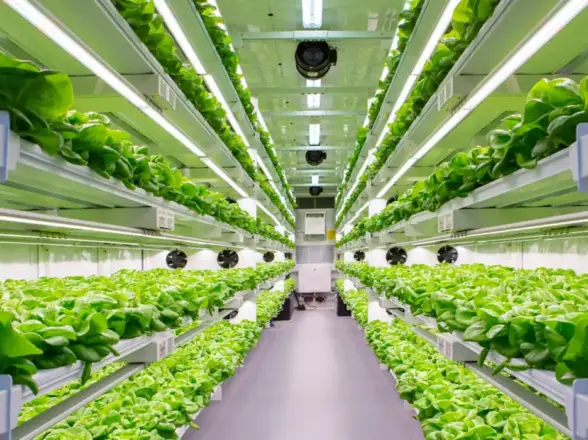
Shipping containers can become farms or greenhouses. They provide a controlled space for growing many crops. These spaces can have advanced systems for the best growing conditions all year.
Hydroponics and Vertical Growing Systems
To use space well, add hydroponics or vertical growing systems. These methods boost yields and save water, appealing to city farmers.
Marketing Your Locally Grown Produce
Good marketing is key for your farm’s success. Talk about the freshness and lower carbon footprint of local produce. This will draw in customers.
Sustainable Practices for Higher Profits
Focus on sustainable practices to make more money. Use solar panels to power your farm. This cuts costs and attracts eco-friendly buyers.
By using these methods, you can start a profitable and sustainable urban farm in shipping containers.
Project 9: Educational and Workshop Spaces
You can make money by turning shipping containers into educational and workshop venues. This idea is becoming popular among entrepreneurs and schools.
Creating Learning Environments in Containers
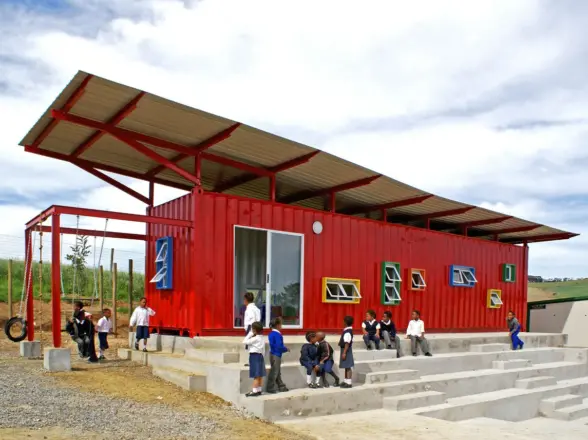
Shipping containers can be changed into special learning spaces. Think about what kind of programs you want to offer. You might want a science lab, art studio, or coding boot camp.
Course and Workshop Business Models
Creating a solid business plan is key for your container project. You can offer different courses, workshops, or even certifications. Working with schools or experts can make your program more credible and attract more students.
Revenue Streams: Course fees, workshop registrations, and certification programs.
Marketing to Educational Institutions
To draw in students, you need to market your container well. Use social media, email, and local ads to reach your audience. Building ties with schools and offering flexible times can also help.
Equipment and Layout Considerations
The setup and gear in your container matter a lot for learning. Make sure it’s well-ventilated, has the right tech, and is comfy. Think about flexible furniture for different activities.
The key to a successful educational container is creating an environment that is both functional and inspiring.
By focusing on these points, you can make a space that draws students and offers a special learning experience.
Project 10: Specialized Service Containers
Shipping containers can be turned into unique service spots. This idea is changing many fields, like healthcare and pet care. It’s a smart way to meet new needs.
Mobile Health Clinics and Medical Services
Mobile health clinics can be made from shipping containers. They bring medical help to places that need it or to events. These clinics can do everything from simple checks to complex treatments.
Beauty Salons and Barber Shops
Containers can also become cool beauty salons and barber shops. They offer a special experience for customers. This idea is popular because it’s eco-friendly and trendy.
Pet Grooming and Veterinary Services
Pet owners want special care for their pets. Containers can be turned into pet grooming spots or vet clinics. These businesses can do well in converted containers.
Regulatory Considerations for Service Businesses
Starting a service business in a container needs careful planning. You must follow local rules and health standards. Getting the right permits is key to success.
Conclusion: Turning Shipping Containers Into Profitable Ventures
You now know the many ways to make money with shipping containers. They can be used for pop-up shops or even for growing food in the city. The possibilities are endless and exciting.
Profitable projects can match your skills and interests. You might want to start a food business, rent out containers, or create office spaces. There’s a project out there for everyone who wants to use containers in a new way.
To do well, you need a good plan. Know your local market and what works there. Also, figure out the rules and permits you need.
Shipping containers offer a chance to earn money and help the planet. Look into these ideas and make your business dream come true.
FAQ
What are the most profitable shipping container business ideas?
Profitable ideas include pop-up shops and food businesses. You can also rent out containers for short-term stays or use them for offices. Storage, event spaces, and container conversions are also good options. Urban farming, educational spaces, and specialized services are other choices.
How do I get started with a shipping container project?
First, learn about the different types and sizes of containers. Then, get the necessary permits and follow the rules. Calculate your initial costs and see if your project can make money. Make sure it fits your skills and resources.
What are the benefits of using shipping containers for my business?
Containers are affordable and sustainable. They can be used for many things like retail, food, and storage. This can save you money and help the environment.
How do I ensure the profitability of my shipping container project?
Plan carefully and execute well. Know your market and have a solid business plan. Manage your money well. Think about location, marketing, and competition too.
What are some successful shipping container projects?
Successful projects include pop-up shops and container cafes. Short-term rentals, coworking spaces, and storage are also good. Event venues have also done well. They use containers’ versatility and cost-effectiveness to make money.
How can I market my shipping container business?
Use social media, online ads, networking, and local promotions. Highlight what makes your business unique, like using repurposed containers. This can attract customers.
What are some challenges I may face with a shipping container project?
Challenges include getting permits and following rules. Managing money and finding a good location are also tough. You might face logistical issues like moving and modifying containers.
Can I use shipping containers for residential purposes?
Yes, you can use them for homes or rentals. But, you must follow local building codes and modify them as needed.
How can I scale my shipping container business?
Have a solid plan with a clear market understanding and marketing strategy. Manage your finances well. Be ready to adapt to changes and customer needs.
Shipping containers are so tough, they come with a 25-year warranty!
At Shipping Conex – Official Affiliate of Used Conex LLC you have the opportunity to get a FREE quote today and unlock the endless possibilities that shipping containers can bring to your storage space. By simply filling out a quick form on our website, you can take the first step towards transforming your cluttered storage area into a well-organized and efficient haven for your belongings.