

Shipping Conex
Blog
Shipping Container Grades: What You Need to Know
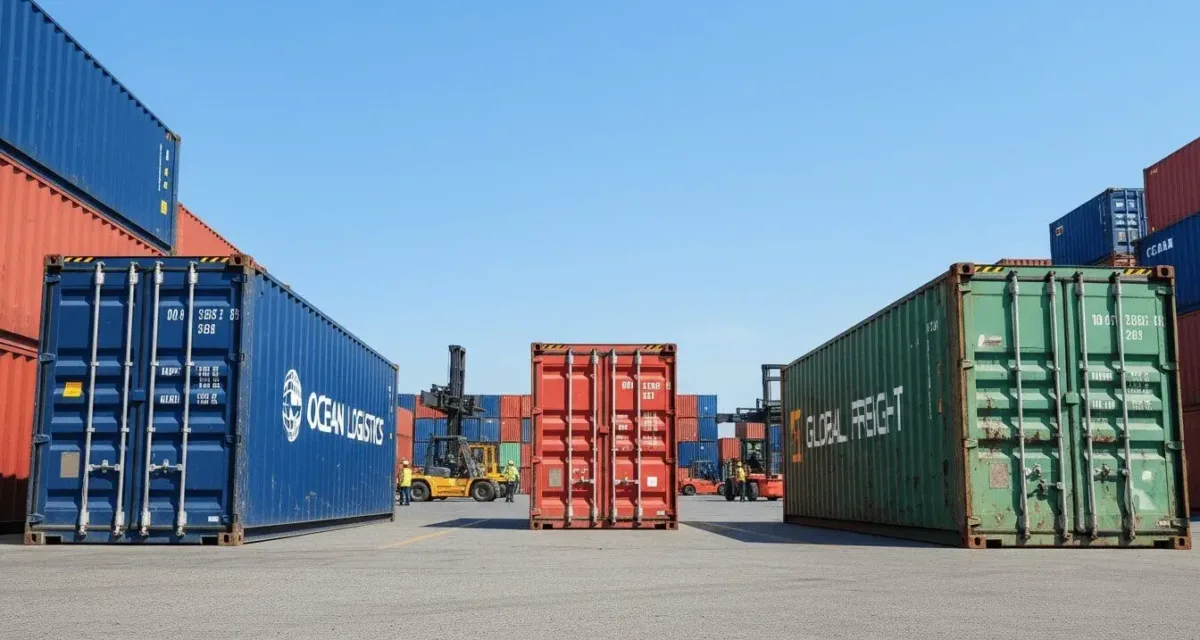
When purchasing shipping containers, you’re faced with various options: new, used, or refurbished. Each category comes with its own set of characteristics, influenced by factors like wear and tear.
To make an informed decision, it’s crucial to understand the grading system that applies to these containers. The container rating system provides a standardized way to evaluate the condition and suitability of containers for different uses.

Knowing the grade of a shipping container helps you assess its quality, potential lifespan, and the tasks it can handle. Whether you’re a business looking to transport goods or an individual seeking storage solutions, being aware of the container’s condition is vital.
Why Container Grading Matters for Your Purchase Decision
Container grading is a critical factor to consider when purchasing a shipping container, as it directly impacts the container’s usability and longevity. Whether you are looking for a used shipping container or a new shipping container for sale, understanding shipping container grades will help you identify which one may be appropriate for your project.
The classification of used containers into different cargo container grades provides valuable insights into their condition, helping buyers make informed decisions. This grading system assesses various aspects of the container, including its structural integrity, functionality, and overall condition.
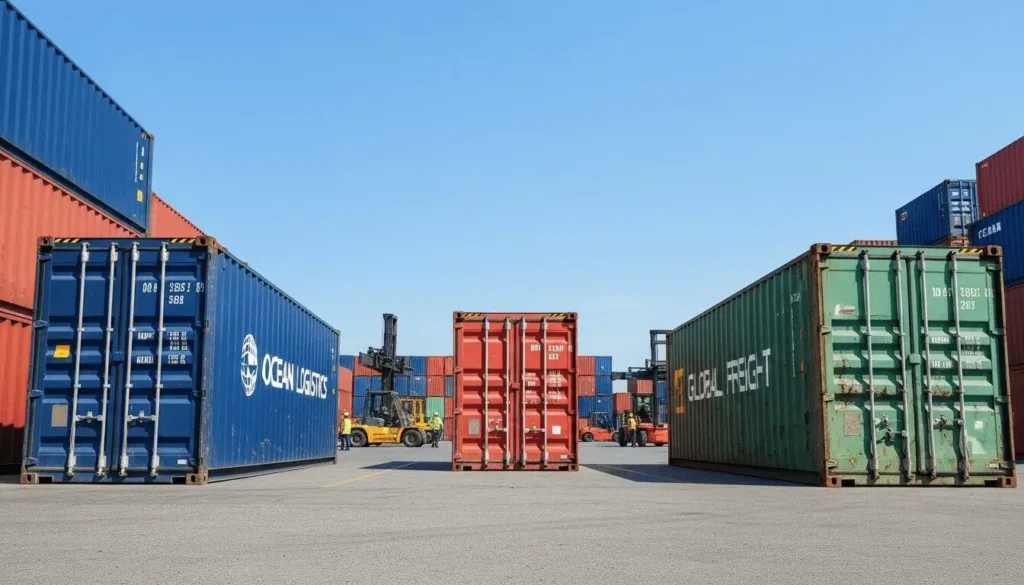
Different container grades significantly affect the usability and longevity of the container for various purposes. For instance, a container graded as Cargo Worthy (CW) is deemed suitable for shipping goods, while a lower grade might be more appropriate for storage or conversion projects.
| Container Grade | Description | Typical Use |
|---|---|---|
| CW (Cargo Worthy) | Container is in good condition, suitable for shipping | Shipping goods |
| WWT (Wind and Water Tight) | Container is watertight and structurally sound but may have some cosmetic damage | Storage, conversion projects |
| As-Is | Container condition varies, may have significant damage or wear | Storage, conversion projects, or for parts |
Understanding these different used container classifications is essential for buyers to ensure they purchase a container that meets their specific needs and budget. By considering the container grade, buyers can avoid potential pitfalls and ensure their investment serves its intended purpose effectively.
The Container Grading System Explained
To navigate the world of shipping containers effectively, you need to grasp the grading system. This system is designed to provide a standardized way of evaluating the condition and quality of containers, ensuring that buyers and sellers are on the same page.
How Grading Standards Are Established
The establishment of grading standards for shipping containers involves a collaborative effort between industry stakeholders, including manufacturers, sellers, buyers, and inspection agencies. These standards are typically based on the condition of the container, taking into account factors such as structural integrity, functionality, and appearance.
The International Institute of Container Lessors (IICL) plays a significant role in setting these standards. The IICL provides guidelines for inspecting containers and categorizing them based on their condition. For instance, containers are inspected for signs of wear and tear, damage, or needed repairs, and are then graded accordingly.
What Inspectors Look for During Assessment
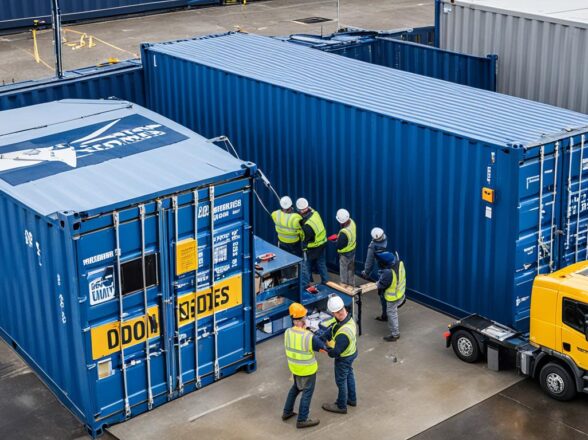
During the assessment, inspectors thoroughly examine the container for any signs of damage or deterioration. They check for:
- Structural integrity: Inspectors verify that the container’s framework is sound and can withstand the rigors of shipping or storage.
- Wind and water tightness: They ensure that the container is free from leaks and can protect its contents from the elements.
- Functional components: Inspectors check that doors, latches, and other hardware are in good working condition.
- Surface condition: The exterior and interior surfaces are inspected for rust, corrosion, or other forms of damage.
Inspectors use these criteria to determine the container’s grade, which reflects its overall condition and suitability for use.
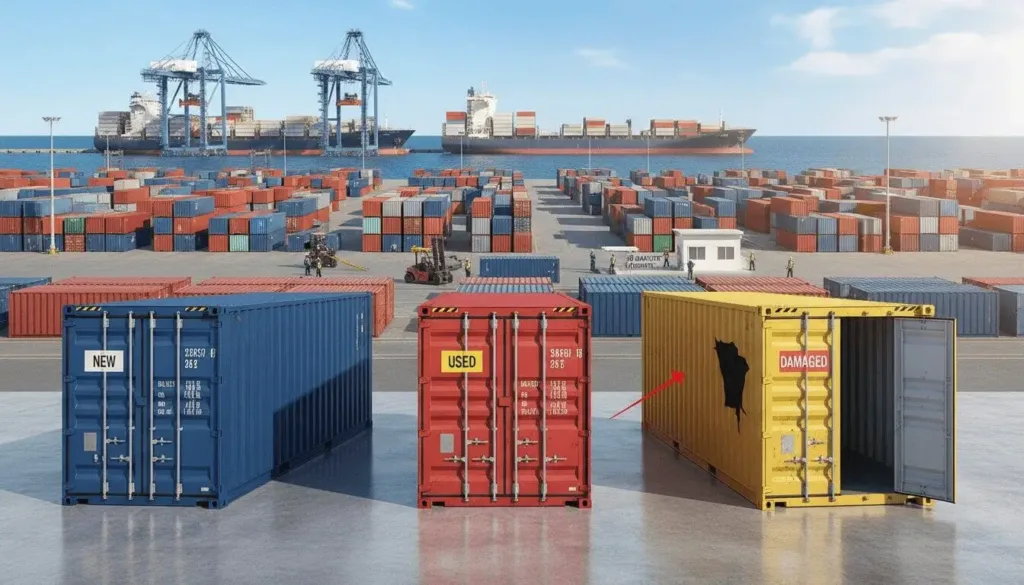
The Difference Between Certified and Non-Certified Grading
A critical distinction in the container grading system is between certified and non-certified grading. Certified grading is performed by accredited inspection agencies that adhere to strict standards, such as those set by the IICL. Containers that receive a certified grade have been thoroughly inspected and meet specific criteria for their condition.
Non-certified grading, on the other hand, may be performed by sellers or other non-accredited entities. While this type of grading can still provide valuable insights, it may not carry the same weight as certified grading due to the potential for variability in inspection standards.
When purchasing a container, it’s essential to understand whether the grading is certified or non-certified, as this can impact your expectations regarding the container’s condition and value.
Understanding Shipping Container Grades (Beyond CW & WWT)
Beyond the familiar CW and WWT, there exists a spectrum of shipping container grades that buyers should be aware of. The condition or “grade” of a shipping container is a critical factor in determining its suitability for various applications, from storage to shipping.
The Complete Spectrum of Container Conditions
Shipping containers are available in a range of conditions, from new to heavily used. The condition affects the container’s price, its suitability for different uses, and its durability. You should consider what you will be using the container for to determine the appropriate grade.
For instance, if you’re using the container for storage, a used container in good condition might be sufficient. However, if you’re shipping goods, you may need a container that meets specific standards for cargo-worthiness.
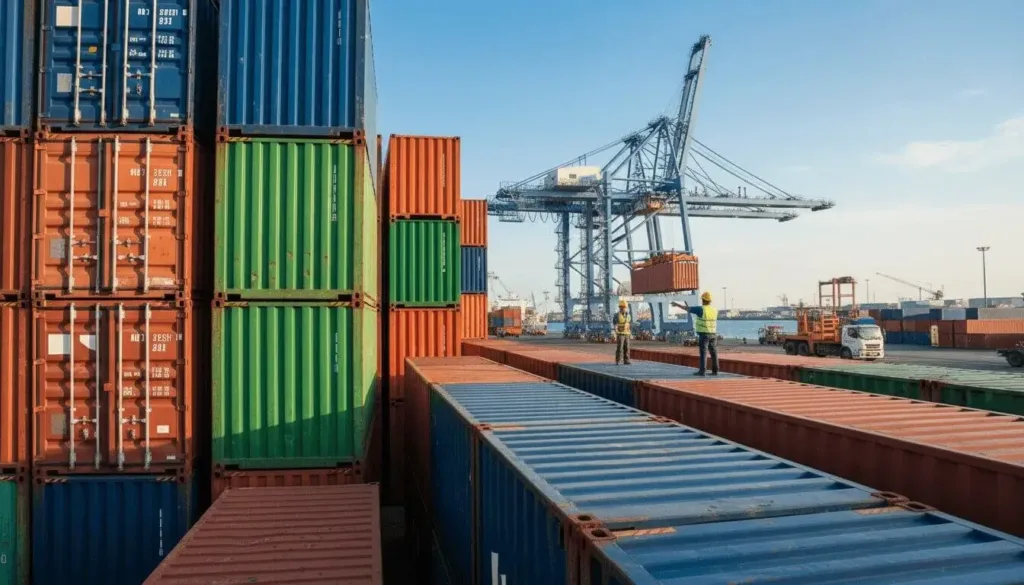
Industry Standards vs. Dealer Classifications
There’s a difference between industry standards for container grading and how dealers classify containers. Industry standards, such as those set by the International Institute of Container Lessors (IICL), provide a framework for assessing container condition. However, dealers may have their own classification systems, which can sometimes be subjective.
Understanding both the industry standards and the dealer’s classification can help you make a more informed decision. It’s essential to ask about the criteria used for grading and inspect the container if possible.
Regional Variations in Grading Terminology Across the United States
Grading terminology can vary across different regions in the United States. What is considered “good condition” in one region might be viewed differently in another. Being aware of these regional variations can help you navigate the market more effectively.
What the Abbreviations Really Mean in Practice
Abbreviations like CW (Cargo Worthy) and WWT (Wind and Water Tight) are commonly used, but understanding what they mean in practical terms is crucial. For example, a CW container is certified for shipping, while a WWT container is sealed to prevent water entry but may not be certified for cargo.
Let’s examine a comparison of different container grades and their typical uses:
| Container Grade | Description | Typical Use |
|---|---|---|
| CW (Cargo Worthy) | Certified for shipping goods | Shipping cargo |
| WWT (Wind and Water Tight) | Sealed to prevent water entry | Storage, modification projects |
| IICL (International Institute of Container Lessors) | Meets IICL standards for condition | Shipping, storage, conversions |
By understanding the different grades and their implications, you can better match a container to your needs, whether it’s for shipping, storage, or another application.
One Trip and New Container Quality Standards
When considering shipping containers for purchase, understanding the nuances of one-trip and new container quality standards is crucial. These containers, having been used only once to transport goods, typically from the manufacturer to the U.S., offer a unique value proposition.
Overview
One-trip containers are considered to be of high quality because they have been used for a single journey, minimizing the wear and tear associated with multiple uses and reconditioning processes. This characteristic makes them an attractive option for buyers seeking containers that are close to new condition.
Pros
The advantages of one-trip containers include:
- Minimal wear and tear: Having been used only once, these containers are in excellent condition.
- Lower risk of hidden damage: Unlike containers that have been used multiple times, one-trip containers are less likely to have internal or external damage that may not be immediately visible.
- Longer lifespan: With their condition being close to new, one-trip containers can offer a longer service life.
Cons
Despite their advantages, one-trip containers also have some drawbacks:
- Higher cost: The premium condition of one-trip containers comes at a higher price compared to used or reconditioned containers.
- Limited availability: One-trip containers may be harder to find, as their supply is dependent on import activities.
Features
One-trip containers are characterized by their:
- Structural integrity: They are built to withstand the rigors of shipping, ensuring they remain wind and water tight.
- Compliance with standards: These containers adhere to international shipping standards, making them suitable for a wide range of applications.
Recommendations
For buyers considering one-trip containers, it’s essential to:
- Inspect before purchasing: Even though they are considered to be in excellent condition, a thorough inspection is always recommended.
- Verify documentation: Ensure that the container’s history and compliance with international standards are well-documented.
By understanding the quality standards of one-trip and new containers, buyers can make informed decisions that meet their specific needs and budget considerations.
Cargo Worthy (CW) Grade Specifications
The Cargo Worthy (CW) specification is a critical factor in determining the suitability of a shipping container for various applications. You need to understand what this grade entails to make informed purchasing decisions.
Overview
Cargo Worthy containers are those that have been inspected and certified as being in a condition suitable for shipping cargo. These containers may show slight wear and tear on their interiors and exteriors, from scratches and minor dents to stained floors and patch repairs.
“A Cargo Worthy container is not necessarily new but is in a condition that is acceptable for transporting goods,” as per industry standards. You should expect some signs of wear but not to the extent that it compromises the container’s integrity.
Pros
One of the main advantages of CW grade containers is their cost-effectiveness. They offer a more affordable option compared to new or premium used containers, making them an attractive choice for buyers on a budget.
- Lower upfront costs
- Suitable for non-critical cargo
- Available in larger quantities
Cons
While CW containers are reliable, they may not be suitable for all types of cargo or applications. The wear and tear they have undergone could potentially impact their longevity or performance.
Key considerations:
- Potential for more maintenance
- May not be suitable for sensitive equipment
- Limited warranty or guarantee
Features
CW containers are characterized by their ability to safely transport cargo. Despite showing signs of wear, they are structurally sound and meet the necessary standards for cargo worthiness.
| Feature | Description |
|---|---|
| Structural Integrity | Sound and capable of withstanding shipping stresses |
| Interior Condition | May show signs of wear such as scratches or stains |
| Exterior Condition | May have minor dents or patch repairs |
Recommendations
When considering a CW grade container, it’s essential to inspect the unit thoroughly and assess your specific needs. You should weigh the pros and cons and consider factors such as the type of cargo, budget, and intended use.
By doing so, you can make an informed decision that meets your requirements and ensures the safe transportation of your goods.
Wind and Water Tight (WWT) Condition Assessment
Assessing the condition of used shipping containers as Wind and Water Tight (WWT) involves a thorough evaluation of their seaworthiness and durability. Wind and watertight containers have spent an average of 15-20 years at sea (sometimes longer) and will have clear evidence of their many journeys.
Overview
The WWT classification indicates that a container is in a condition that prevents wind and water from penetrating the unit, making it suitable for storage and potentially for shipping, depending on other factors.
These containers are considered to be in a good condition, with some signs of wear and tear, but still functional. The WWT grade is often considered a sweet spot for buyers looking for a balance between quality and cost.
Pros
- Cost-effective: WWT containers are generally priced lower than Cargo Worthy (CW) or IICL-certified containers, making them an attractive option for buyers on a budget.
- Versatile: They can be used for a variety of purposes, including storage, shipping (with some limitations), and even as the basis for modified container homes or offices.
- Availability: WWT containers are more readily available than higher-grade containers, as they represent a larger segment of the used container market.
Cons
While WWT containers offer several advantages, there are also some drawbacks to consider:
- Not suitable for all cargo: The condition of WWT containers may not meet the standards required for shipping certain types of cargo, particularly those that are sensitive to moisture or require a high level of structural integrity.
- Potential for needed repairs: Although WWT containers are wind and watertight, they may still require repairs or maintenance to ensure they remain in good condition over time.
Features
WWT containers are characterized by their ability to withstand the elements, with features that include:
- Intact doors and seals: Ensuring that the container can be closed securely and remains watertight.
- Minimal rust and corrosion: While some rust may be present, it is not significant enough to compromise the container’s structural integrity.
- Functional locking mechanisms: Allowing for secure closure and potentially for customs sealing if needed.
As one industry expert notes, “A WWT container is a reliable choice for many applications, offering a good balance between condition and cost.” This makes them a popular choice for a wide range of uses.
Recommendations
For buyers considering WWT containers, it’s essential to:
- Inspect thoroughly: Ensure that the container meets your specific needs and is in the condition described by the seller.
- Consider the intended use: WWT containers are suitable for many applications, but may not be the best choice for all purposes.
- Factor in potential repairs: While WWT containers are in good condition, some maintenance or repairs may be necessary over time.
By understanding the characteristics and implications of the WWT classification, buyers can make informed decisions that meet their needs and budget.
IICL Certified Containers and Premium Used Grades
For those in the market for shipping containers, the distinction between IICL certified and premium used grades can significantly impact the longevity and functionality of their purchase. Understanding these categories is essential for buyers looking to invest in high-quality containers.
Overview
IICL certified containers are inspected and certified by the Institute of International Container Lessors (IICL), adhering to rigorous standards that ensure their durability and performance. These containers are typically characterized by their minimal wear and tear, with all original features intact.
Premium used grades, while not necessarily IICL certified, also offer a high level of quality, often with only minor dings or dents. The condition of these containers makes them suitable for a variety of applications, from shipping to storage and even conversion projects.
Pros
The advantages of opting for IICL certified or premium used containers are numerous. High-quality construction and minimal maintenance requirements are among the key benefits. These containers are also known for their long lifespan, providing a cost-effective solution over time.
- Reliability and durability
- Compliance with international standards
- Aesthetic appeal due to minimal damage
Cons
While IICL certified and premium used containers offer many advantages, they also come with some drawbacks. The primary concern is the higher upfront cost compared to lower-grade containers. Additionally, the availability of these high-grade containers can be limited in certain regions.
Features
IICL certified containers and premium used grades are distinguished by their excellent condition and functional integrity. They are designed to withstand the rigors of shipping and storage, ensuring that your goods are protected.
| Feature | IICL Certified | Premium Used |
|---|---|---|
| Condition | Excellent, minimal wear | Very good, minor dings |
| Inspection | IICL inspected and certified | Thoroughly inspected |
| Original Features | Intact | Mostly intact |
Recommendations
When considering IICL certified or premium used containers, it’s essential to assess your specific needs. For critical applications or long-term use, these high-grade containers are an excellent choice. Ensure that you purchase from reputable dealers to guarantee the quality and authenticity of the containers.
By choosing IICL certified or premium used containers, you’re investing in quality and reliability, ensuring that your shipping or storage needs are met with the highest standards.
As-Is and Lower Grade Container Options
As-is and lower-grade shipping containers represent the most affordable, albeit riskier, options in the container market. If you’re working on a project with a tight budget, understanding these containers can help you make an informed decision.
Overview
As-is containers are sold in their current condition, without any guarantees or warranties. These containers might have extensive internal and external issues, making them the lowest-cost option available.
The condition of as-is containers can vary significantly, and buyers should be prepared for potential repairs or refurbishments.
Pros
As-is containers offer several advantages, particularly for buyers on a tight budget. The primary benefits include:
- Cost Savings: As-is containers are typically cheaper than their certified or refurbished counterparts.
- Immediate Availability: Since as-is containers are often sold directly from a seller’s inventory, they can be available for immediate purchase and delivery.
- Potential for Renovation: For buyers with the skills and resources, as-is containers can be renovated or repurposed for specific needs.
Cons
While as-is containers have their advantages, there are also significant drawbacks to consider:
- Unknown Condition: The condition of as-is containers can be unpredictable, and buyers may face unexpected repair costs.
- Limited Warranty: As-is containers are sold without warranties, leaving buyers to absorb any repair or maintenance costs.
- Potential for Obsolescence: If not properly maintained, as-is containers may become obsolete or unusable more quickly.
Features
As-is containers can vary widely in their features, depending on their original purpose, age, and condition. Some common features to inspect include:
| Feature | Description | Importance Level |
|---|---|---|
| Rooftop Condition | Inspect for leaks or damage | High |
| Door Seals | Check for integrity and functionality | High |
| Internal Damage | Look for signs of water ingress or structural damage | High |
| Flooring Condition | Assess for rot, rust, or other forms of damage | Medium |
Recommendations
If you’re considering as-is or lower-grade containers, here are some key recommendations:
- Inspect Thoroughly: Always inspect the container before purchase, if possible, to identify any potential issues.
- Budget for Repairs: Factor in the cost of any necessary repairs or refurbishments into your overall budget.
- Consider the Purpose: Ensure the container’s condition is suitable for its intended use.
By understanding the characteristics and implications of as-is and lower-grade container options, you can make a more informed decision that aligns with your project needs and budget.
How to Match Container Grade to Your Project Needs
Matching the container grade to your project’s needs ensures efficiency and cost-effectiveness. Whether your business builds affordable homes, needs a mobile worksite HQ, or just requires some temporary storage, there’s a shipping container out there for you.
Storage Applications and Optimal Grades
For storage applications, the condition of the container is less critical than its ability to keep contents dry and secure. A Cargo Worthy (CW) or Wind and Water Tight (WWT) grade container is often sufficient for storage needs, offering a good balance between cost and functionality.
Shipping Requirements and Certification Needs
If you’re using containers for shipping, you’ll need to adhere to stricter standards. Containers must be IICL Certified or meet specific shipping line requirements. The certification ensures that the container can withstand the rigors of international shipping.
Modification and Conversion Projects
For modification and conversion projects, such as turning containers into offices or homes, the initial grade is less important than the container’s potential for modification. However, starting with a higher grade container like IICL Certified or One Trip can reduce long-term maintenance costs.
Budget Considerations and Long-Term Value
Budget is a critical factor in choosing a container grade. While lower grades may be more affordable upfront, they may incur higher maintenance or replacement costs over time. It’s essential to weigh the initial cost against the long-term value.
| Container Grade | Ideal Use | Budget Consideration |
|---|---|---|
| IICL Certified | Shipping, High-End Conversions | Higher Upfront Cost |
| Cargo Worthy (CW) | Storage, Basic Shipping | Moderate Cost |
| Wind and Water Tight (WWT) | Storage, Modifications | Lower Cost |
By understanding your project’s specific needs and matching them to the appropriate container grade, you can ensure a successful outcome that meets your budget and functional requirements.
Conclusion
Choosing the right shipping container grade is crucial for your project’s success. As discussed, the shipping container grading system provides a framework for evaluating container conditions, from Cargo Worthy (CW) to As-Is and lower grades.
Understanding shipping container grades enables you to make informed decisions based on your budget and intended use. Whether you’re using containers for storage, shipping, or modification projects, selecting the appropriate grade ensures you get the best value for your investment.
The key is to match the container grade to your specific needs. For instance, if you’re looking for a container for shipping, a CW grade is likely the best choice. On the other hand, if you’re on a tighter budget and plan to use the container for storage, a WWT or As-Is grade might be more suitable.
Ultimately, your budget and planned use will dictate the most suitable container condition. By grasping the shipping container grading system, you’re better equipped to navigate the market and find the ideal container for your needs.
FAQ
What are shipping container grades, and why are they important?
Shipping container grades are classifications that indicate the condition and usability of a container. They are crucial because they help you make informed decisions when purchasing a container, ensuring it meets your needs for storage, shipping, or modification projects.
How do I understand the different shipping container grades?
Understanding shipping container grades involves knowing the grading system, which includes categories like Cargo Worthy (CW), Wind and Water Tight (WWT), IICL certified, and As-Is. Each grade has its characteristics, advantages, and disadvantages.
What is the difference between certified and non-certified container grading?
Certified container grading is done by recognized organizations and follows strict standards, while non-certified grading is typically done by dealers or sellers. Certified grading provides a more reliable assessment of a container’s condition.
What does Cargo Worthy (CW) grade mean?
Cargo Worthy (CW) grade indicates that a container is in good condition, suitable for shipping cargo. It has passed inspections for structural integrity, watertightness, and other critical factors.
How does Wind and Water Tight (WWT) condition differ from CW?
Wind and Water Tight (WWT) condition means a container is watertight and can withstand wind, but it may not be suitable for shipping cargo due to other factors like age or minor damage.
What are the benefits of buying a one-trip container?
One-trip containers are relatively new, having been shipped only once, and are often in excellent condition. They offer a good balance between quality and cost, making them a popular choice.
How do I choose the right container grade for my project?
To choose the right container grade, consider your project’s specific needs, such as storage, shipping, or modification. Assess your budget and the required level of quality and durability.
What should I look for when inspecting a used container?
When inspecting a used container, look for signs of damage, rust, or wear, check for watertightness, and assess the overall condition. Consider hiring a professional inspector for a more detailed assessment.
At Shipping Conex – Official Affiliate of Used Conex LLC, you can request a FREE quote today and discover the endless possibilities shipping containers offer for your storage needs. Simply complete our quick online form to take the first step toward transforming clutter into a secure, organized, and efficient storage solution.