

Shipping Conex
Blog
Shipping Container Home Living: An Insider’s Perspective

Thinking about different homes? You might be interested in sustainable living with shipping containers. This unique housing idea helps the planet and offers a modern, green lifestyle.

Ever thought about living in a repurposed shipping container? It’s a lifestyle with its own ups and downs. You’ll save on waste and energy, but there are space and zoning issues to think about.
Learning about eco-friendly container home living can help you decide if it’s for you.
Key Takeaways
- Eco-friendly container homes offer a sustainable living solution.
- Repurposing shipping containers reduces waste and supports energy efficiency.
- Container homes can be a cost-effective housing option.
- Zoning regulations and space limitations are potential challenges.
- Careful planning is essential for a successful container home living experience.
The Evolution of Container Homes in Modern Housing
Container homes have changed from simple cargo carriers to cozy homes. This change is more than just using old shipping containers. It’s about making homes that are green, affordable, and innovative.
From Cargo to Comfort: The Container Transformation Story
The story of turning shipping containers into homes is one of creativity and engineering. These steel containers, once for moving goods, now house people. The process includes choosing the right containers and designing a layout that’s both spacious and comfortable.
You can find a mix of industrial style and modern comforts in these homes.

The Growing Movement in the United States
In the U.S., the trend of living in container homes is growing. People are drawn to these homes because they’re affordable and sustainable. Let’s look at the numbers and trends behind this movement.
Statistics and Trends
The rise of container homes in the U.S. is due to several reasons. These include cost, green living, and the desire for something different. Here are some important stats:
| Year | Number of Container Homes | Growth Rate |
|---|---|---|
| 2018 | 5,000 | – |
| 2020 | 10,000 | 100% |
| 2022 | 18,000 | 80% |
Notable Container Home Communities
Across the U.S., container home communities are popping up. These communities offer more than just a place to live. They create a sense of community among residents. You can find these communities in states like California, Texas, and Oregon.
Joining the container home movement means more than just a place to live. It’s about living sustainably, affordably, and in a community.
Shipping Container Home Living – An Insider’s Perspective
Choosing to live in a shipping container home was the best choice I made. Moving from a traditional home to a container home changed my life and view of the world.
My Personal Journey from Traditional Home to Container Living
I wanted a simpler and greener life. Living in a shipping container home offered many benefits, like less environmental harm and lower costs. Turning a container into a cozy home was tough but rewarding.

First Impressions and Reality Checks
At first, the small size of the container home surprised me. But soon, I loved how efficient the space was. Adjusting to a smaller home and simpler life was a big change.
How Container Living Transforms Your Lifestyle
Living in a container changed my life in big ways. I now live more simply, focusing on what’s truly important. The perks of a shipping container home, like less clutter and a stronger community, are many.
| Aspect | Traditional Home | Container Home |
|---|---|---|
| Space | Often spacious | Compact, efficient |
| Cost | Higher maintenance and utility costs | Lower costs, sustainable |
| Lifestyle | Often cluttered, consumerist | Minimalist, simplistic |
Choosing container home living is a step towards a greener, simpler life. As you explore shipping container homes, you’ll find both benefits and challenges.
Planning Your Container Home Dream
Starting your journey to build a shipping container home requires careful planning. This ensures your dream becomes a reality. You’ll need to follow several important steps to make your project successful and affordable. Plus, it must meet local building codes.
Sourcing High-Quality Shipping Containers
The base of your home is the shipping container. So, finding a good one is key.
New vs. Used: Making the Right Choice
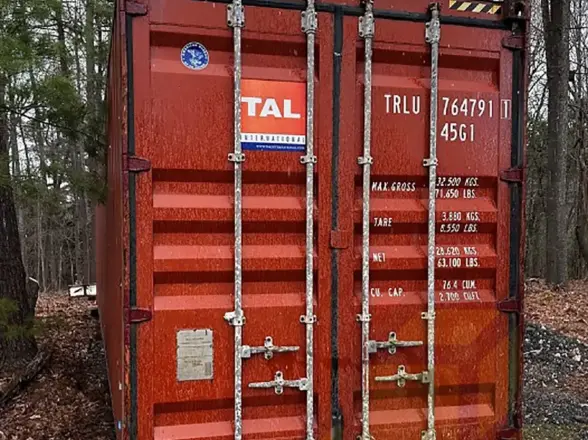
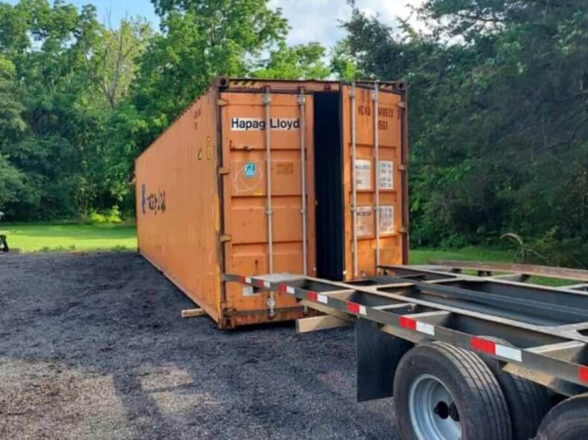
Choosing between new and used containers depends on your budget and needs. New containers are in top shape and need little upkeep. Used ones might save money but need checks for damage.
Inspection Checklist for Potential Buyers
- Check for rust and structural damage
- Inspect the roof and doors for any signs of wear
- Verify the container’s certification and history

Navigating Permits and Zoning in American Cities
Before you begin, know the legal rules in your area. Zoning laws and building codes differ greatly by city and state.
Understanding local regulations is key to avoiding costly delays or legal issues down the line.
Creating a Realistic Budget and Timeline
Setting a realistic budget and timeline is crucial. Think about the cost of the container, changes, and labor.
| Budget Component | Estimated Cost |
|---|---|
| Container Purchase | $2,000 – $5,000 |
| Modifications | $10,000 – $30,000 |
| Labor Costs | $5,000 – $15,000 |
Innovative Design Possibilities for Your Container Home
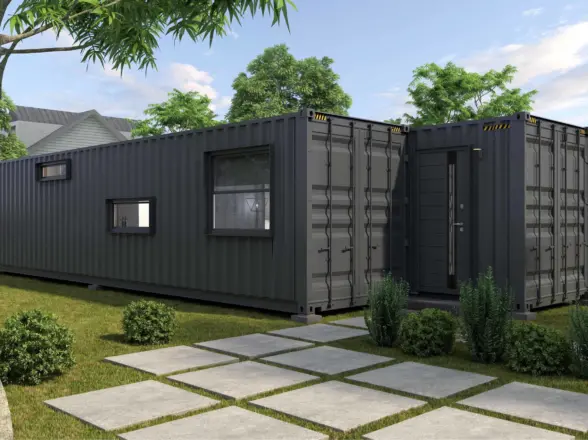
Container homes are a blank canvas for creativity. They let you design a space that’s truly unique. The architecture of shipping container homes encourages you to think differently, creating a home that shows off your personality and style.
Single Container Sanctuaries
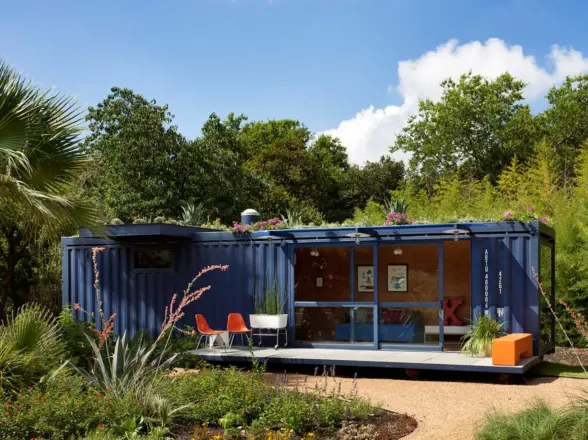
For those who love simplicity, a single container home is perfect. These homes are great for individuals or couples wanting to downsize. With some planning, a single container can become a cozy, functional home with all the essentials.
Multi-Container Mansions
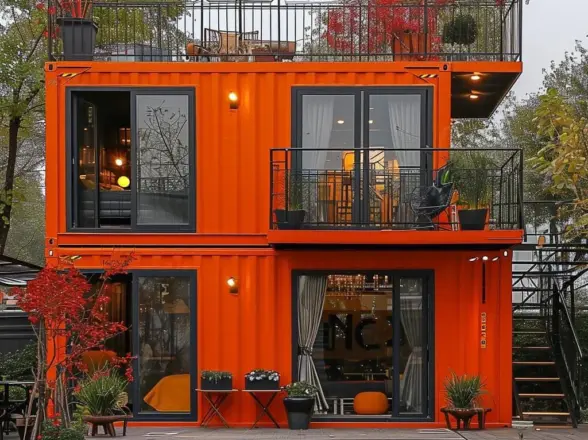
On the other hand, multi-container mansions offer a spacious, luxurious living space. By linking several containers, you can build a large home with lots of room for fun and relaxation. This design lets you customize your home to fit your exact needs and tastes.
Space-Maximizing Strategies for Compact Living
Living in a container home means you have to think about space and layout. Use furniture that does more than one thing, install storage, and plan your layout to make the space feel open and flowing. These strategies help you make the most of even the smallest spaces, creating a cozy and useful home.
Personalizing Your Metal Canvas
One of the best things about container homes is the chance to make them your own. You can choose the perfect finish and design the interior just how you like it. Add your own touches like art, plants, and decorations to make your home truly yours.
Container homes offer a chance to create a space that’s both functional and personal. Whether you prefer a simple, minimalist home or a larger, more elaborate one, container homes let you reimagine what a home can be.
The Transformation Process: Technical Insights
Turning a metal box into a cozy home needs a good grasp of structural changes and adding utilities. As you turn a shipping container into your dream home, you’ll face many technical hurdles.
Structural Modifications and Engineering Considerations
Changing a shipping container for living means cutting out parts for windows and doors. This can make it weaker. It’s important to talk to an engineer to make sure your changes don’t harm the structure.
Climate-Appropriate Insulation Solutions
Insulation is crucial for a comfortable container home in different climates. For cold areas, spray foam insulation works well. In hot places, radiant barrier insulation is better.
Integrating Modern Utilities into a Metal Box
Adding plumbing, electrical systems, and HVAC is key for a working home.
Plumbing Systems
Think about water-saving methods and living off the grid when planning plumbing.
Electrical Planning
Your electrical plan should include energy-saving options like LED lights and solar power.
HVAC Options
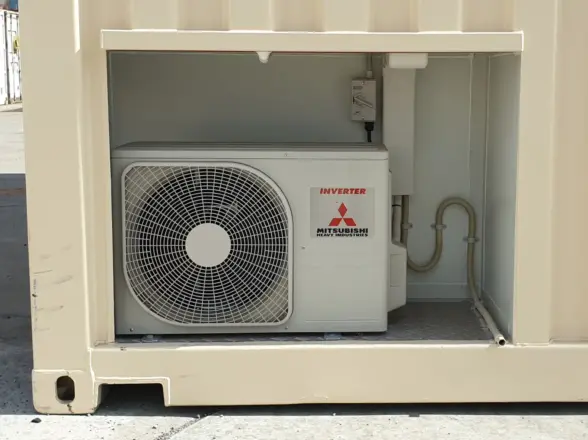
Choose HVAC systems that are efficient and fit your climate.
| Utility | Considerations | Eco-Friendly Options |
|---|---|---|
| Plumbing | Water conservation, off-grid potential | Low-flow fixtures, rainwater harvesting |
| Electrical | Energy efficiency, solar integration | LED lighting, solar panels |
| HVAC | Climate suitability, energy efficiency | Geothermal systems, ductless mini-splits |
With careful planning and execution, you can make an eco-friendly and cozy home from a shipping container.
The Sustainability Advantage of Container Homes
Container homes are becoming more popular because they are good for the environment. They use old shipping containers, which helps reduce waste and pollution.
Upcycling at Its Finest: The Environmental Impact
Container homes are a great example of upcycling. This method saves resources and gives old containers a second chance. It also cuts down on the need for new materials and waste.
Upcycling old shipping containers into homes is a creative way to reduce waste and promote sustainability in the construction industry.
Living in a container home has many environmental benefits. It reduces the harm caused by traditional building methods. This choice helps protect our planet.
Energy-Efficient Design Opportunities
Container homes can be made to save energy. You can design them to let in more natural light. They can also have insulation and solar panels for power.
- Optimize natural light to reduce the need for artificial lighting.
- Use appropriate insulation to maintain a comfortable temperature.
- Invest in solar panels for renewable energy.
Eco-Friendly Material Options for Interior Finishing
There are many green materials for finishing your home. You can use reclaimed wood, bamboo, and paints that don’t harm the air.
| Eco-Friendly Material | Benefits |
|---|---|
| Reclaimed Wood | Reduces the need for new lumber, adding character to your space. |
| Bamboo Flooring | Highly renewable, durable, and resistant to moisture. |
| Low-VOC Paints | Improves indoor air quality, reducing health risks. |
Choosing a shipping container home is a smart move for the planet. It’s a way to live sustainably and have a unique home.
Living Off-Grid in Your Container Paradise
Turning your container into an off-grid paradise needs careful planning. You can live off the grid, cut down on environmental harm, and live a self-sufficient life. This is done by adding sustainable systems to your container home.
Solar Power Systems for Energy Independence
Solar power is key for off-grid living. A solar panel system lets you make your own electricity. This cuts down on your need for the grid. Think about how much energy you need and how much sunlight your place gets when setting up your system.
Key considerations for solar power systems include:
- Panel efficiency and quality
- Battery storage capacity
- Inverter technology
Water Collection and Conservation Strategies
Good water management is vital for living off-grid in a container. A rainwater harvesting system can collect and store water for different uses. Also, using water-saving fixtures and appliances can lower your water use.
Some effective water conservation strategies include:
- Low-flow showerheads and faucets
- Dual-flush toilets
- Water-efficient appliances
Sustainable Waste Management Solutions
Handling waste sustainably is also key for off-grid living. Think about using a composting toilet or a septic system for waste. Recycling and composting can also reduce your waste.
By adding these sustainable systems to your container home, you can live off-grid. This lifestyle is both eco-friendly and self-sufficient.
The Financial Reality: Costs and Savings
Thinking about joining the container home movement? It’s important to know the financial side. Owning a shipping container home has its costs and savings. You’ll need to consider the initial investment, long-term savings, and how much it might be worth later.
Breaking Down the Initial Investment
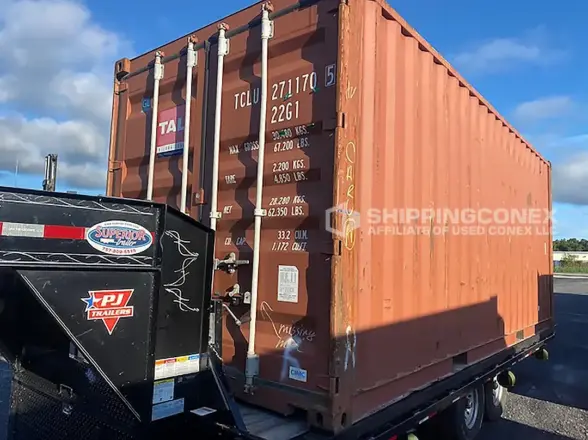
The cost of a shipping container home varies. It depends on the size, condition, and any changes you want to make. A basic 20-foot container might cost $1,500 to $3,000. But, adding things like insulation and plumbing can raise the price to $30,000 to $100,000 or more.
Comparing Long-Term Costs with Traditional Housing
Living in a shipping container home can save you money in the long run. They use less energy because they’re small and can be designed to be efficient. Plus, they often have lower property taxes if you own the land outright.
Potential for Appreciation and Return on Investment
Container homes can increase in value over time. If you keep it in good shape and it’s in a nice area, it could be worth more later. This makes them appealing to buyers if you decide to sell.
Financing Options Specifically for Alternative Housing
Getting a loan for a shipping container home can be tough. But, there are lenders and programs out there. Look for construction loans or personal loans for container homes. It’s key to compare your options to find the right one for you.
Choosing cost-effective housing solutions like shipping container homes has financial and environmental benefits. As more people choose container homes, there will be more financing options and support for this unique way of owning a home.
The Pros and Cons of Daily Container Living
Thinking about living in a shipping container? It’s important to know the good and bad sides of this lifestyle. Living in a container daily has its own set of benefits and drawbacks that can really change your life.
The Advantages That Will Inspire You
Container homes have many perks that can make your life better. Here are some of the main advantages:
- Financial Freedom: They cost less to build and maintain than regular houses.
- Environmental Impact: Using old containers helps reduce waste and supports green living.
- Design Flexibility: You can change and mix containers to create special living areas.
Honest Challenges You’ll Face
Container homes are great, but they also come with some challenges:
- Temperature Regulation: Without good insulation, containers can get too hot or cold.
- Space Limitations: Containers are small, so you need to plan your space well.
- Social Perceptions: Some folks might think it’s weird to live in a container home.
| Aspect | Advantages | Challenges |
|---|---|---|
| Financial | Lower construction costs | Potential higher cost for customization |
| Environmental | Reduces waste by upcycling containers | Energy consumption for modifications |
| Design | Flexible and unique designs | Limited space requiring efficient planning |
Overcoming Common Obstacles in Container Home Living
Starting your journey to living in a container home comes with challenges. These homes are innovative and sustainable but face unique obstacles. Knowing how to tackle these issues is key to a smooth transition.
Weatherproofing Strategies for All Climates
Weatherproofing is crucial for container homes. Use top-notch insulation and seal your container well. For hot weather, choose reflective roofs to keep cool. In cold areas, add more insulation and heating.
Addressing Structural Limitations Creatively
Container homes have structural limits that need creative solutions. Use multiple containers for more space. Cutting out sections for windows or doors is possible but requires careful planning.
Building Community Acceptance and Support
Getting your community to accept your container home is important. Talk to your neighbors about the benefits. Joining container home groups or forums can also offer support and advice.
Maintenance Tips from Experienced Owners
Maintenance is essential for your container home’s longevity. Check for rust, ensure seals are good, and keep insulation and HVAC systems in check. A well-kept home is comfortable, safe, and lasts longer.
| Maintenance Task | Frequency | Importance |
|---|---|---|
| Rust Inspection | Monthly | High |
| Seal Checks | Quarterly | High |
| HVAC Maintenance | Bi-Annually | Medium |
| Insulation Checks | Annually | Medium |
Conclusion: Embracing the Container Home Revolution
Exploring shipping container home living has shown you a mix of sustainability, cost-effectiveness, and design flexibility. Eco-friendly container homes are a great alternative to traditional houses. They offer affordable solutions that can change your lifestyle.
Choosing container home living means you’re cutting down on environmental harm. It’s also a smart investment in a strong and safe home. With careful planning and design, your container home can be cozy and stylish, just how you like it.
Being part of the container home movement means you’re shaping the future of housing. Whether you’re a seasoned homeowner or new to the scene, shipping container homes offer modern living with less environmental impact. Start making your container home dreams come true today.
FAQ
What are the benefits of living in a shipping container home?
Living in a shipping container home is good for the planet and your wallet. It’s also very flexible in design. You get to live sustainably and cut down on your carbon footprint.
Can I live off-grid in my shipping container home?
Yes, you can live off-grid. Use solar power, collect rainwater, and manage waste. This way, you can be more independent and self-sufficient.
Can I finance my shipping container home?
Yes, you can get financing for your shipping container home. Look into specialized lenders and alternative programs. Find what works best for your budget and needs.
How do I source high-quality shipping containers for my home?
Look for reputable suppliers for your shipping containers. Make sure to check for damage and rust. You can choose between new or used containers based on your budget and taste.
What are the key considerations for designing a shipping container home?
Think about how to use space wisely and insulate well. Also, consider adding modern utilities. Your personal style should guide your design to make it both unique and practical.
How do I navigate permits and zoning regulations for my container home?
Start by researching local laws and talking to authorities. Work with experts to help you through the process. This ensures your home meets all necessary regulations.
What are the potential cost savings of living in a shipping container home?
A shipping container home can save you money. You’ll spend less on construction, energy, and upkeep. Plus, its value might increase over time.
How do I maintain my shipping container home to ensure its longevity?
Regularly check your home’s structure and do routine maintenance. Fix problems quickly. Also, protect it from weather to keep it in good shape.
Shipping containers are so tough, they come with a 25-year warranty!
At Shipping Conex – Official Affiliate of Used Conex LLC you have the opportunity to get a FREE quote today and unlock the endless possibilities that shipping containers can bring to your storage space. By simply filling out a quick form on our website, you can take the first step towards transforming your cluttered storage area into a well-organized and efficient haven for your belongings.