

Shipping Conex
Blog
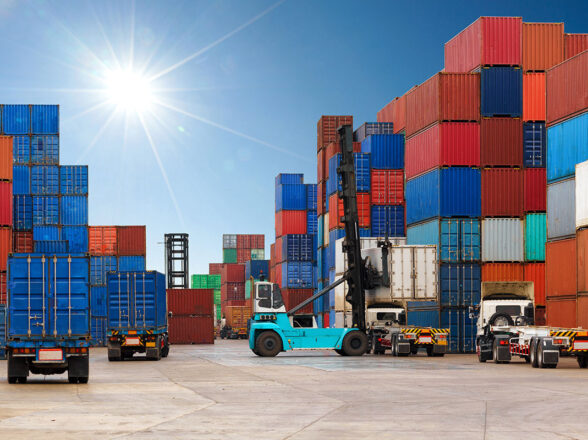
Onsite Storage Made Easy with Shipping Containers

Are you tired of cluttered workspaces and disorganized storage? You’re not alone. Many businesses struggle to find good onsite storage solutions. That’s where portable storage containers come in – a convenient and flexible way to keep your workspace organized.

Using shipping containers for storage is a practical solution. It offers shipping container convenience. You can easily rent or purchase containers in various sizes to suit your needs. This flexibility makes it simple to manage your onsite storage requirements.
Key Takeaways
- Efficient onsite storage solutions improve workspace organization.
- Portable storage containers offer flexibility and convenience.
- Shipping containers can be rented or purchased in various sizes.
- Onsite storage with shipping containers enhances security and accessibility.
- Customizable storage solutions meet specific business needs.
The Growing Need for Flexible Onsite Storage Solutions
More and more businesses and homeowners need flexible onsite storage. This is because of changes in work, home renovations, and the need for extra space.
Common Storage Challenges for Businesses and Homeowners
Businesses and homeowners face many storage problems. Businesses struggle with managing inventory, storing equipment, and keeping a tidy workspace. Homeowners might need to store furniture, seasonal decorations, or personal items during renovations or moves.
Onsite storage helps solve these issues. It lets you access your items easily while keeping them safe and organized.
Traditional Storage Options and Their Limitations
Traditional storage, like renting a unit offsite, has big drawbacks. You have to travel to get your stuff, there might be security issues, and it’s not very flexible in terms of time and size.
Cost Comparison with Conventional Storage Methods
Cost is a big deal when choosing storage. Here’s how onsite storage with shipping containers stacks up against traditional offsite storage:
| Storage Method | Initial Cost | Ongoing Costs | Total Cost (1 Year) |
|---|---|---|---|
| Onsite Shipping Container | $2,000 – $5,000 | $0 – $100 (maintenance) | $2,000 – $5,100 |
| Traditional Offsite Storage | $0 – $500 (security deposit) | $100 – $300 (monthly rent) | $1,200 – $3,600 |
The table shows onsite shipping containers might cost more upfront. But, they save money in the long run because of lower ongoing costs.

Why Shipping Containers Are the Best Choice for Onsite Storage
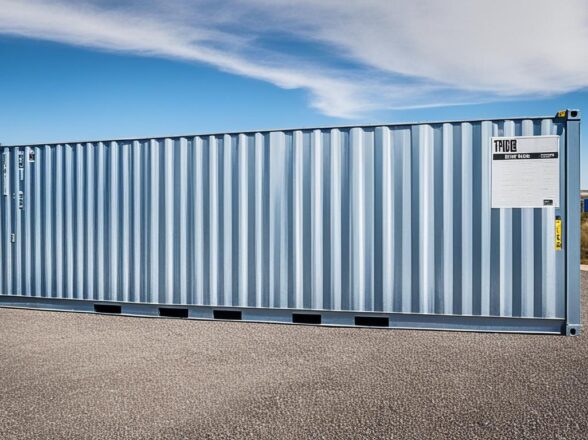
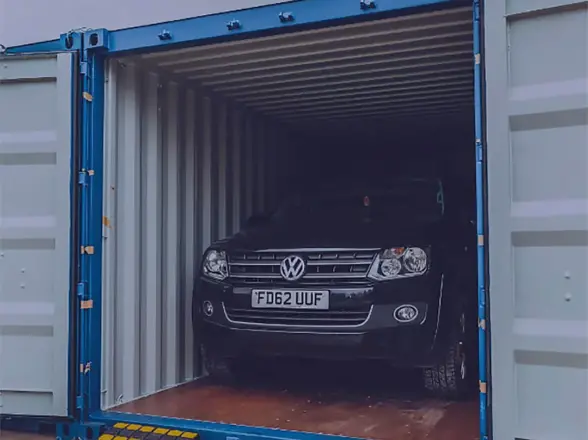
Shipping containers are a top pick for onsite storage. They are strong and flexible. They work well for storing business items or personal stuff.
Security and Durability Benefits
These containers are built from high-quality steel. They are very durable and can withstand damage. Plus, they have secure locks to protect your items.

Cost-Effectiveness Compared to Alternatives
Shipping containers are cheaper than other storage options. You can buy or rent them for less than building a storage place.
Versatility and Customization Options
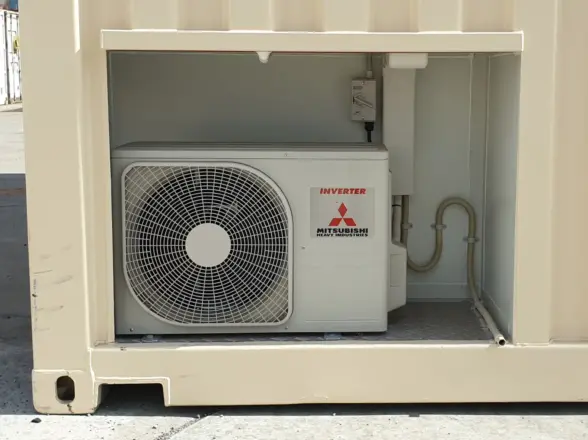
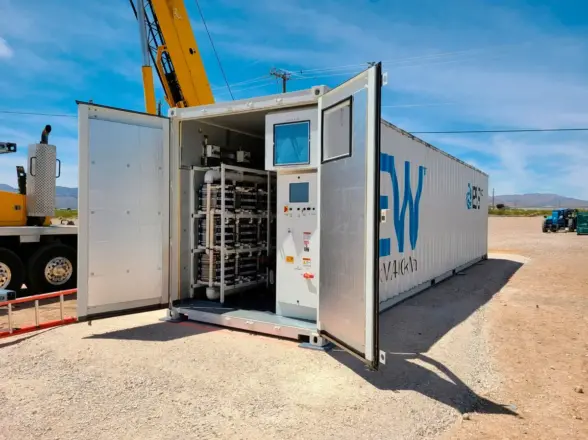
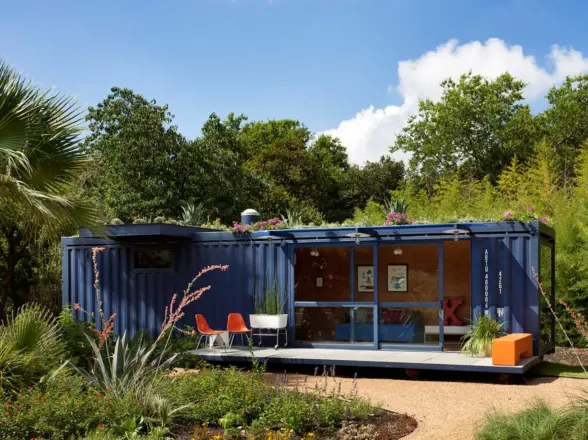
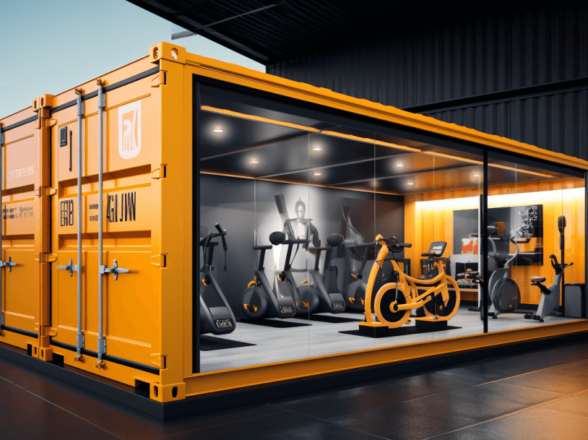
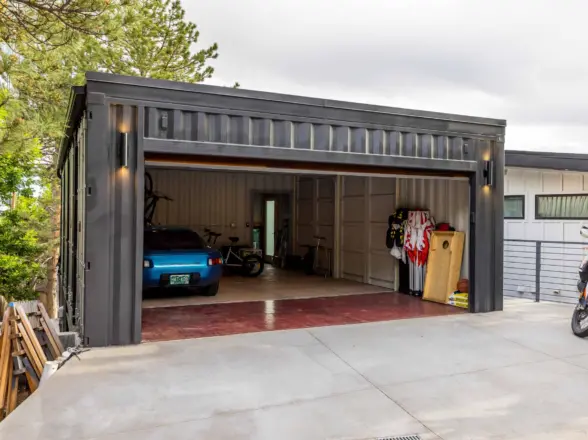
Containers can be changed to meet your needs. You can add shelves, electrical setups, or even climate control.
Weather Resistance and Protection Features
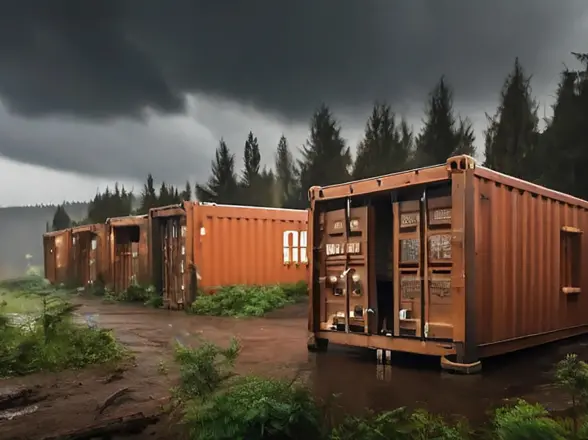
Containers can handle tough weather like rain, wind, and cold. They have special coatings and doors to keep your stuff safe and dry.
Choosing shipping containers for storage means you get a secure, durable, and flexible option. They are also budget-friendly. This makes them perfect for many storage needs.
Types of Shipping Containers for Storage Purposes
Shipping containers are great for storing things. They come in many types to fit different needs. Whether you need space for work or home, knowing your options is key.
Standard Containers (20ft and 40ft Options)
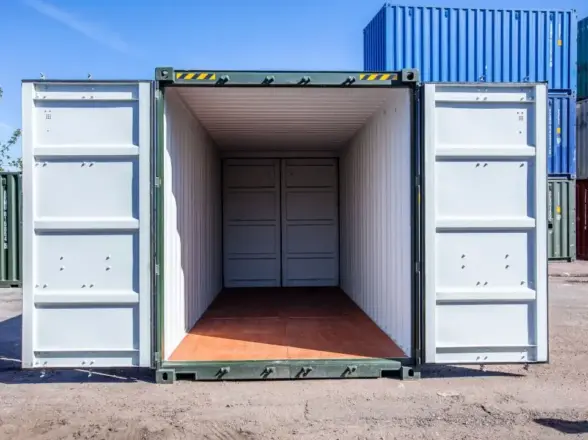
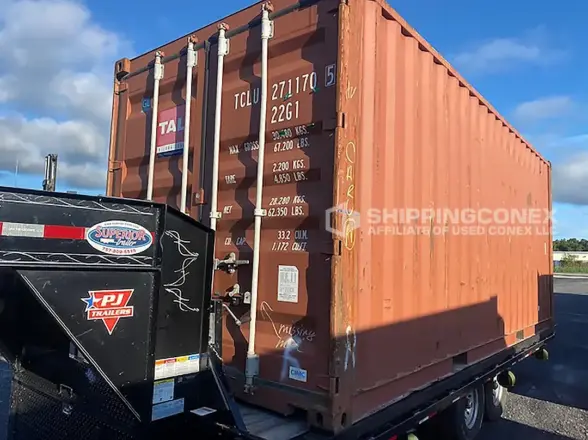
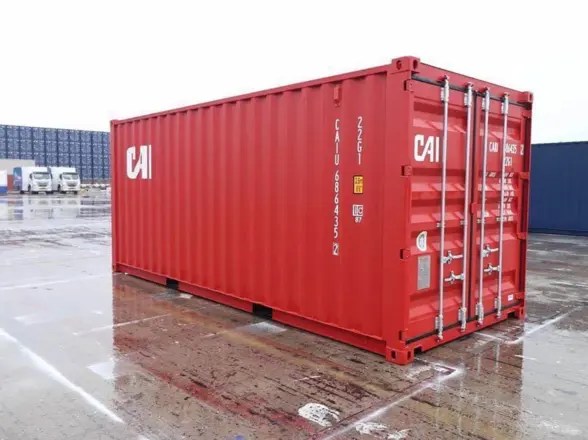
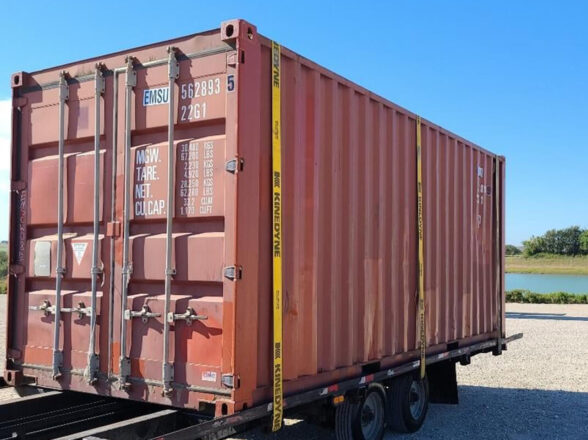
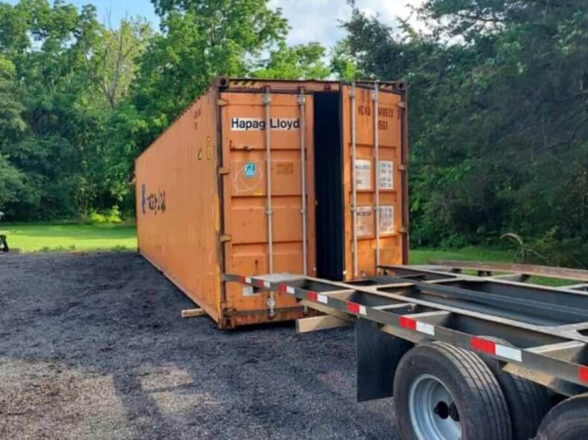
Standard shipping containers are the most used for storage. They are 20 feet or 40 feet long. The 20-foot one is good for small needs, while the 40-foot one is for bigger needs. You can choose new or used, depending on your budget.
High Cube Containers
High cube containers are taller than standard ones. They’re great for storing tall items or using more space. They come in 20-foot and 40-foot lengths, perfect for big equipment or inventory.
Refrigerated Containers for Climate-Sensitive Items
Refrigerated containers, or reefers, keep items at a certain temperature. They’re perfect for storing perishable goods or sensitive equipment. They work for both short and long storage.
Specialty Containers and Their Applications
Specialty containers meet specific needs, like open-top for big items or tank containers for liquids. They’re made for unique needs and can be tailored for certain uses.
| Container Type | Description | Ideal Use |
|---|---|---|
| Standard | 20ft and 40ft containers | General storage needs |
| High Cube | Additional height for more storage | Oversized or tall items |
| Refrigerated | Temperature-controlled | Perishable goods or sensitive equipment |
| Specialty | Customized for specific needs | Oversized cargo, liquids, etc. |
How to Assess Your Storage Needs and Select the Right Container
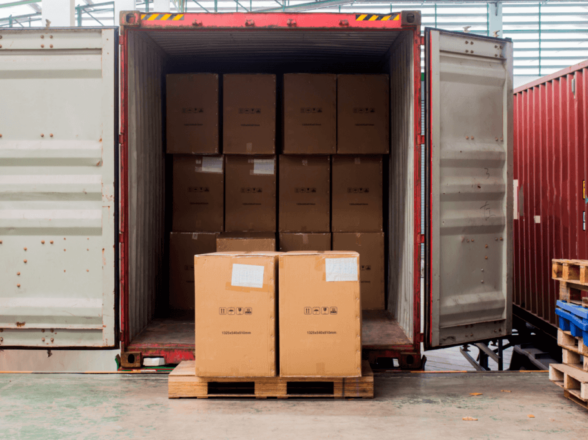
To get the most out of onsite storage, you must assess your needs and pick the right container. Onsite storage is great for businesses and homeowners. It offers a secure and flexible way to store things like equipment, inventory, or personal items.
Calculating Required Storage Space
First, figure out how much space you need. Make a list of items you’ll store and their sizes. Think about the height, width, and length of each item. Then, add extra space for future needs or unexpected items.
New vs. Used Containers: Making the Right Choice
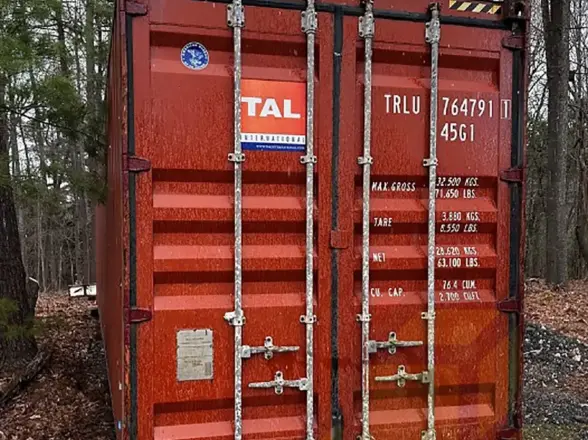
Deciding between a new or used container is important. New containers are in perfect shape but cost more. Used containers are cheaper but might need checks for damage. Think about your budget and how you’ll use the container.
Step-by-Step Container Inspection Guide
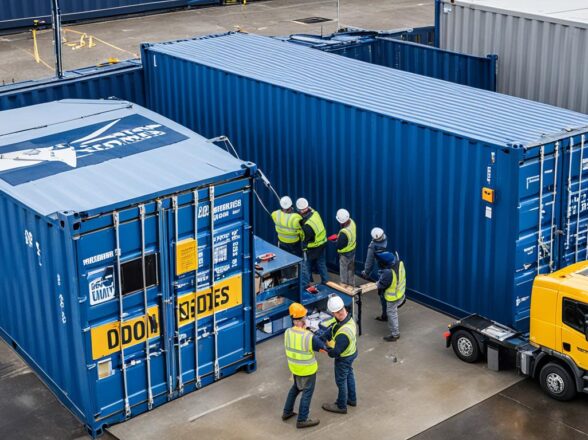
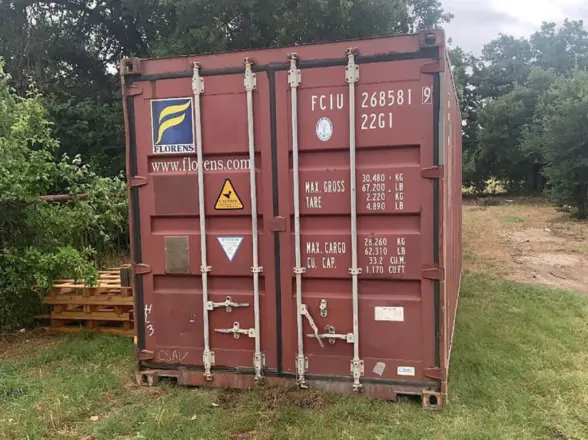
Inspecting a container before buying is key. Look for exterior damage like dents, rust, or holes. Make sure the doors work well and seals are good. Inside, watch for water damage or mold and check the floor for weaknesses.
Red Flags to Watch for When Purchasing
Look for red flags during the inspection. These include big rust, dents, or broken doors. Also, check for pests or mold. A good container saves you from future repair costs.
Preparing Your Site for a Storage Container
Before your storage container arrives, you must prepare your site. This step is key to ensure a safe and efficient installation.
Step-by-Step Ground Preparation Process
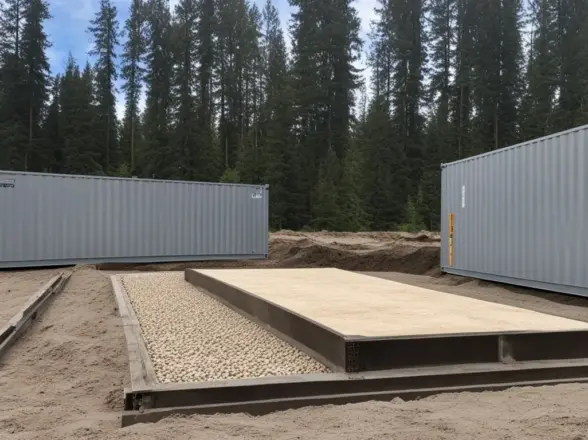
Ground preparation is crucial for your container’s stability. First, clear the area of debris, plants, and any obstacles. Next, level the ground to make it flat. You might need to remove soil or add fill material to get the right level.
Creating Proper Drainage and Foundation
A solid foundation is essential for your container’s long life. Make sure the site drains well to avoid water damage. Lay down compacted gravel or concrete for a stable base.
Navigating Permits and Local Regulations
Before delivery, you must follow local rules and get the right permits. Talk to your local authorities to find out what you need. This helps avoid fines or problems.
Accessibility Considerations for Delivery
Make sure the delivery route is easy for the truck. Think about gate width, overhead clearance, and road conditions. This prevents any delivery problems.
By following these steps, you’ll have your site ready for your storage container. This way, you can enjoy the onsite storage advantages and the shipping container convenience.
- Clear the area of debris and obstructions
- Level the ground for a stable foundation
- Ensure proper drainage to prevent water damage
- Comply with local regulations and obtain necessary permits
- Ensure accessibility for the delivery truck
Setting Up Your Shipping Container for Optimal Storage
To get the most out of your shipping container, setting it up right is key. This means following a few important steps. These steps help make sure your container works well for storing things.
Container Delivery and Placement Techniques
When your container arrives, make sure you have a good spot ready. The ground should be flat and solid to avoid any wobbling. Think about how easy it will be to get to the container later.
Also, think about the area around the container. For example, if you’re storing things that are easily damaged, place the container in a shaded spot. Make sure it’s not near water.
Interior Organization Systems and Methods
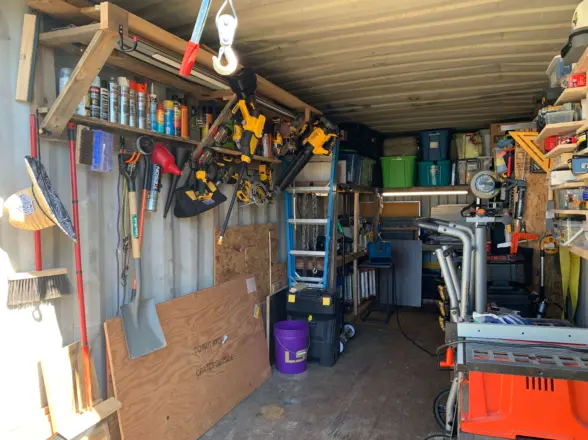
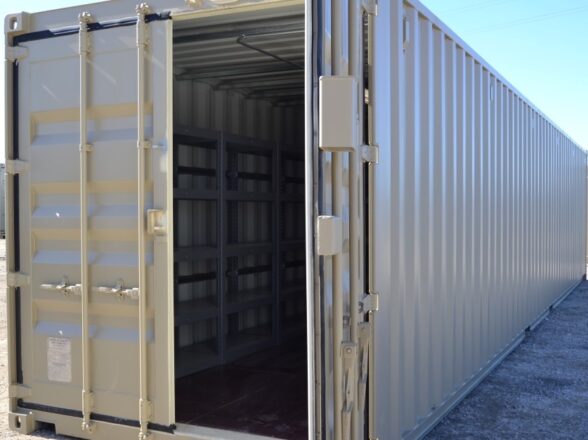
It’s important to organize the inside of your container well. You can add shelves or racks to keep things off the floor. This makes the most of the space you have.
Labeling and sorting your items helps a lot too. It makes it easier to find what you need when you need it.
How to Install Proper Ventilation and Moisture Control
Good air flow is key to stop moisture from building up. You can add vents or fans to help air move around. This helps prevent mold and mildew.
Temperature Management Solutions
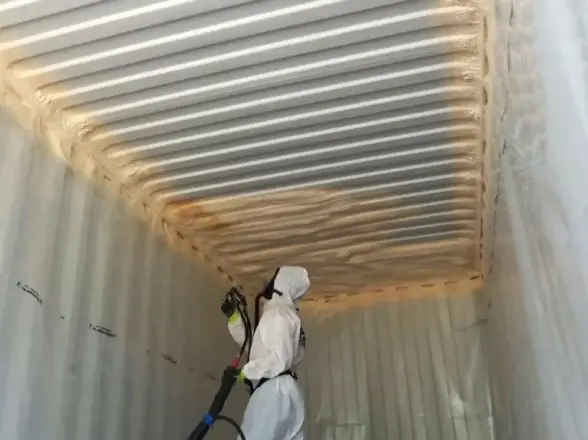
If you’re storing things that can’t handle temperature changes, you’ll need to keep the temperature stable. You might use insulation, climate-controlled units, or even heating and cooling systems. It depends on what you’re storing.
Keeping the temperature steady helps keep your items in good shape.
| Ventilation Method | Benefits | Applications |
|---|---|---|
| Passive Vents | Simple, cost-effective, reduces moisture | General storage, dry goods |
| Active Ventilation (Fans) | Improved air circulation, temperature control | Sensitive electronics, climate-sensitive items |
| Climate-Controlled Units | Precise temperature and humidity control | High-value items, sensitive materials |
Customizing Your Container for Specific Storage Applications
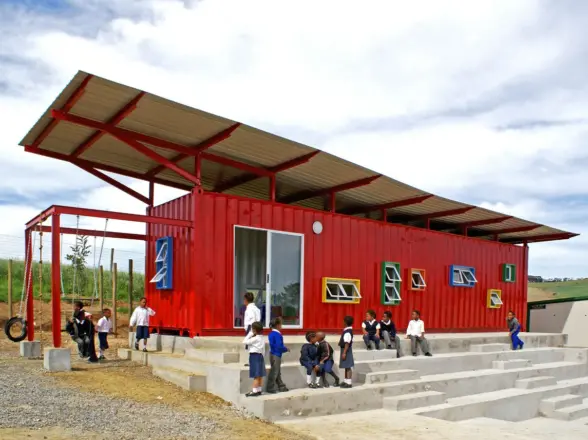
Customizing your shipping container can make it efficient, secure, and organized. It meets your exact needs. This customization boosts the shipping containers benefits and makes your storage solution more effective.
Installing Shelving and Racking Systems
Installing shelving and racking systems maximizes your container’s storage. It organizes your belongings. This makes it easier to find what you need without digging through everything.
Adding Electrical and Lighting Components
Adding electrical and lighting components changes the game. It lets you use your container for more things. This includes workshops and storage for sensitive equipment.
Implementing Security Enhancements
Security is key for onsite storage. Enhancements like reinforced doors and CCTV cameras boost security. They give businesses and homeowners peace of mind.
Innovative Storage Layouts for Different Industries
Different industries have unique storage needs. For example, construction needs heavy-duty shelving. Retailers need secure storage for inventory. Customizing your container for your industry’s needs enhances its functionality.
| Industry | Customization Needs | Benefits |
|---|---|---|
| Construction | Heavy-duty shelving, equipment storage | Efficient tool management, reduced loss |
| Retail | Secure storage for inventory, climate control | Protected merchandise, reduced damage |
| Manufacturing | Racking systems for raw materials, work-in-progress storage | Streamlined production, improved inventory management |
Customizing your shipping container is easy and boosts its value. By tailoring it to your needs, you maximize its benefits as an onsite storage solution.
Maintaining Your Shipping Container for Long-Term Use
Keeping your shipping container in top shape is key to its long life and onsite storage benefits. Regular upkeep ensures the container stays in good condition. It also boosts its security and usefulness.
Monthly and Seasonal Maintenance Checklist
For your container to stay in great shape, regular checks are a must. Monthly, look for rust, check the locks, and make sure it’s clean and dry. Seasonally, check the roof for debris, inspect walls and doors for damage, and ensure the drainage works right.
- Inspect for rust and damage
- Check and maintain the locking mechanism
- Clean and dry the interior
- Clear debris from the roof
- Verify drainage system functionality
Rust Prevention and Exterior Care Techniques
Stopping rust is vital for your container’s health. Always check the outside for rust signs and fix them fast. Use a rust-preventing coat and fix any scratches or damage right away.
Troubleshooting Common Issues and DIY Repairs
Even with regular care, problems can pop up. Issues like misaligned doors, rust, and drainage problems are common. For misaligned doors, fix the hinges. For rust, use a rust converter and a protective coat. For drainage, clear blockages and ensure the slope is right.
When to Call in Professional Help
While you can handle many tasks yourself, some need a pro. If you see big rust damage, structural problems, or are unsure about a fix, get a professional. They have the skills to keep your container safe and working well.
Conclusion: Maximizing the Value of Your Onsite Container Storage
To get the most out of your onsite container storage, it’s key to know its benefits. Shipping containers are versatile and offer secure, durable storage. They fit your needs perfectly.
Portable storage containers make it easy to keep your stuff safe and tidy. They’re great for storing belongings, equipment, or inventory. With the right care, your container can last for many years.
By following the tips in this article, you can make sure your storage meets your needs. It’s a valuable asset for work or personal use. Portable storage containers are a smart choice for storing seasonal items or protecting important equipment.
FAQ
What are the benefits of using shipping containers for onsite storage?
Shipping containers are secure, durable, and cost-effective. They offer a flexible storage solution for businesses and homeowners. Your belongings are protected from the elements and theft.
How do I assess my storage needs and choose the right shipping container?
To figure out your storage needs, calculate the space needed for your items. Think about size, weight, and type of items. Then, pick a container that fits your needs, like standard, high cube, or refrigerated ones.
What are the advantages of using new versus used shipping containers for storage?
New containers are in top shape, with no damage. Used ones are cheaper but still reliable. Make sure used containers are in good condition before choosing.
How do I prepare my site for a shipping container delivery?
Prepare your site by making sure the ground is level and firm. Remove any debris or obstacles. Create proper drainage and a foundation for the container. Check for any permits and ensure the truck can reach your site.
Can I customize my shipping container for specific storage needs?
Yes, you can customize your container. Add shelving, racking, electrical, and security features. You can also design a layout that fits your needs.
What maintenance is required to ensure the longevity of my shipping container?
Regular maintenance is key to keeping your container in good shape. Do monthly and seasonal checks for issues. Take care of rust and exterior, and fix common problems. If needed, get professional help.
Are shipping containers weather-resistant and secure?
Yes, shipping containers are built to withstand weather and are secure. They handle rain, wind, and extreme temperatures well. You can also add security features like locks and cameras for extra protection.
Shipping containers are so tough, they come with a 25-year warranty!
At Shipping Conex – Official Affiliate of Used Conex LLC you have the opportunity to get a FREE quote today and unlock the endless possibilities that shipping containers can bring to your storage space. By simply filling out a quick form on our website, you can take the first step towards transforming your cluttered storage area into a well-organized and efficient haven for your belongings.