

Shipping Conex
Blog
Shipping Container Mushroom Farms: Revolutionizing Urban Agriculture

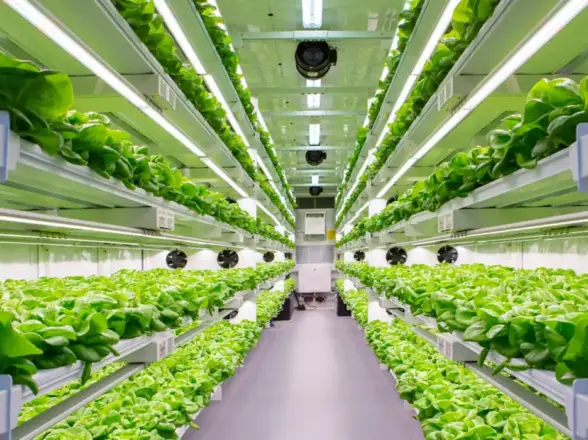
You’re on the cusp of a revolution in urban agriculture. This change brings fresh produce to your doorstep like never before. Urban farming is being transformed by an innovative approach. It uses repurposed structures for controlled environment agriculture.

This cutting-edge method enables food production in compact, controlled environments. It’s perfect for sustainable farming practices. By using these innovative systems, you can enjoy a consistent supply of fresh, healthy produce right in the heart of the city.
Key Takeaways
- Urban agriculture is being revolutionized by innovative farming methods.
- Repurposed structures are being used for controlled environment agriculture.
- Sustainable farming practices are enabled through compact, controlled environments.
- Fresh produce is made available consistently through these innovative systems.
- Urban farming is becoming increasingly accessible and sustainable.
The Evolution of Urban Agriculture
Traditional farming is facing big challenges. This makes urban agriculture a great choice for growing food in a sustainable way. As more people move to cities, we need new ways to grow food that use less space.
Current Challenges in Traditional Farming
Traditional farming is struggling with land scarcity and climate change. These issues have reduced the land available for farming and lowered crop yields. This is a big threat to our food supply.
The Need for Space-Efficient Growing Solutions
Urban areas need new ways to grow food that are sustainable. There are two main reasons for this:
- Land is scarce in cities
- Climate change makes outdoor farming harder
Land Scarcity in Urban Areas
Urban areas have very little land. This means we need space-efficient growing methods. Solutions like vertical farming and container farming are promising.
Climate Change Impacts on Outdoor Farming
Climate change is making outdoor farming tough. It brings unpredictable weather, higher temperatures, and more pests. Climate-controlled environments, like those in shipping container farms, offer a stable place to grow crops.

By using urban farming, especially in climate-controlled spaces, we can help make our food system more sustainable. This approach tackles today’s problems and opens the door for future innovations in urban agriculture.
Understanding Shipping Container Mushroom Farms
Growing mushrooms in shipping containers is changing how we produce food. These farms use old shipping containers to grow mushrooms. They are a new way to farm indoors.
Definition and Core Concepts
Shipping container mushroom farms are indoor farms in old shipping containers. They control the environment for growing mushrooms. This means they can manage temperature, humidity, and light exactly.
History and Development Timeline
The idea of growing mushrooms in shipping containers started recently. It came from the trend of urban farming and controlled environments. The idea became popular in the early 2010s as cities started to farm in new ways.
Advantages Over Traditional Cultivation Methods
Shipping container mushroom farms have big advantages over old ways of growing mushrooms. Two main benefits are:
Space Efficiency Benefits
- They use space well by growing mushrooms up and down
- They can grow many mushrooms in a small space
- They work well in places where there’s little land
Climate Control Advantages
These farms have exact control over the environment. This means they can grow mushrooms perfectly all year. They can:
- Keep the right temperature for different mushrooms
- Control humidity to avoid problems
- Manage light for each stage of growth

By being space-efficient and controlling the climate, these farms are very productive and green.
Why Mushrooms Thrive in Controlled Environments
Mushrooms do well in climate-controlled settings because they have specific needs. These needs are met in controlled environments, leading to better growth and production.
Biological Requirements of Fungi
Mushrooms need certain conditions to grow, like specific temperatures and humidity. In a controlled environment, these conditions are kept the same. This ensures they grow healthily.
Vertical Growing Potential
Vertical farming is great for mushroom farms in shipping containers. It uses space well and boosts yield per square foot. This method makes the most of the container’s space.

Year-Round Production Capabilities
Mushroom cultivation in controlled environments means you can produce mushrooms all year. This is done through:
Seasonal Independence
By controlling the environment, mushroom farms can keep producing without being affected by seasons. This ensures a steady supply.
Production Scheduling Benefits
This also helps with planning production. Farms can better meet demand and plan for the future.
Shipping container mushroom farms offer a perfect environment for mushroom cultivation. They use vertical farming and consistent production to their advantage.
Selecting the Right Mushroom Varieties
The world of mushroom cultivation is full of different varieties. Each has its own special traits and needs. Picking the right one is key for success in shipping container mushroom farms.
Oyster Mushrooms: The Beginner’s Choice
Oyster mushrooms are great for beginners. They grow fast and are easy to care for. They can grow on many substrates, like straw and wood chips.
Varieties and Growing Requirements
There are many oyster mushroom varieties, like Pleurotus ostreatus and Pleurotus eryngii. They need a controlled space with the right temperature and humidity.
Market Value and Demand
Oyster mushrooms are in high demand. They are versatile in cooking and good for you. They can be sold fresh or as value-added products.
| Mushroom Variety | Growing Difficulty | Market Demand |
|---|---|---|
| Oyster Mushrooms | Easy | High |
| Shiitake Mushrooms | Moderate | High |
| Lion’s Mane | Moderate | Premium |
Shiitake Mushrooms: Techniques and Considerations
Shiitake mushrooms are loved for their taste and health benefits. They grow well on logs or wood chips.
Specialty Varieties for Premium Markets
Specialty mushrooms like lion’s mane and reishi can fetch high prices. This is because of their unique qualities and health benefits.
Lion’s Mane Cultivation
Lion’s mane mushrooms are known for their looks and health benefits. They need careful control of temperature and humidity.
Reishi and Medicinal Mushrooms
Reishi mushrooms are valued for their health benefits. They need specific growing conditions and are often used in supplements.
How to Source and Prepare Your Shipping Container
Finding the right shipping container is key to a successful mushroom farm. It will be the base for your operation, giving your mushrooms a controlled space to grow.
Container Types and Size Considerations
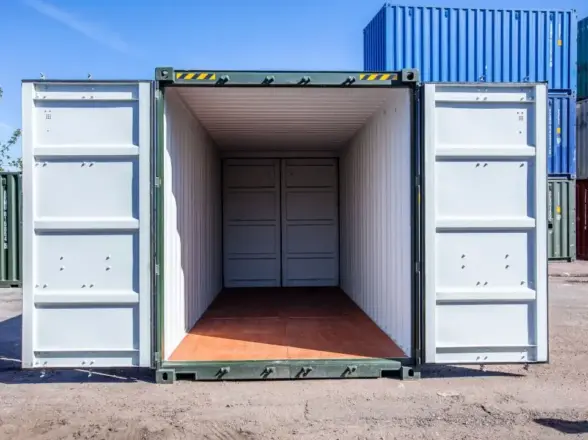
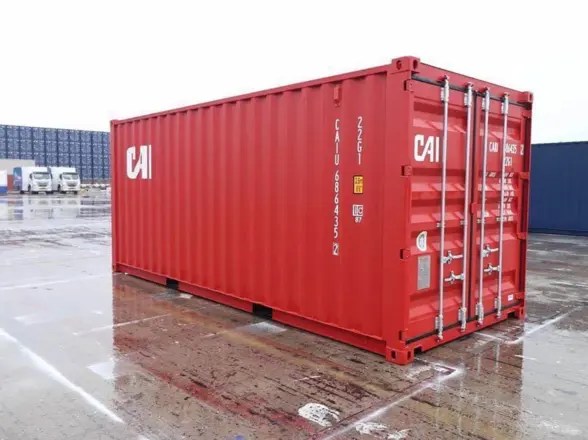
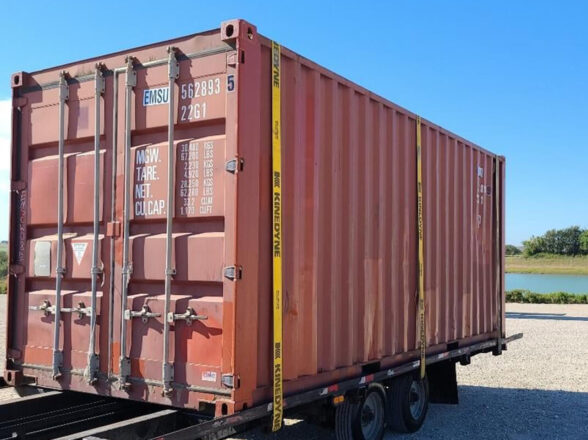
Shipping containers vary in size, with 20-foot and 40-foot being the most common. Your choice depends on space, budget, and goals. Also, think about the container’s height. Taller ones can hold more shelves, boosting your growing area.
New vs. Used: Making the Right Choice
Choosing between new or used containers depends on your budget and needs. New ones are in top shape, with no damage or contamination risk. Used containers are cheaper but might need checks and fixes.
| Feature | New Containers | Used Containers |
|---|---|---|
| Condition | Pristine, no damage | May have existing damage |
| Cost | Higher upfront cost | Lower upfront cost |
| Inspection and Repair | Minimal to none | Required to ensure integrity |
Essential Modifications for Mushroom Cultivation
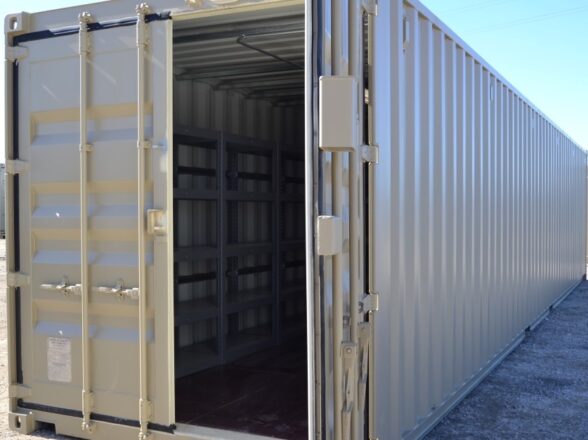
Your container needs changes for mushroom growth. Add insulation for stable temperatures, climate control for humidity and air, and the right lighting.
Door and Access Point Planning
Make sure doors and access points are secure and well-insulated. This keeps the climate inside and stops contamination.
Structural Reinforcement Needs
You might need to strengthen the container for shelving and equipment. This is crucial for heavy setups.
By picking and preparing your container wisely, you can make a productive mushroom farm. It will thrive in a controlled, climate-regulated space.
Step-by-Step Container Setup Process
To start a mushroom farm in a shipping container, you need a clear plan. This plan includes several key steps. These steps range from preparing the site to setting up the needed infrastructure.
Site Selection and Foundation Requirements
Finding the perfect spot for your mushroom farm is key. The area should be flat, drain well, and be easy to get to. It also needs to follow local rules about farming.
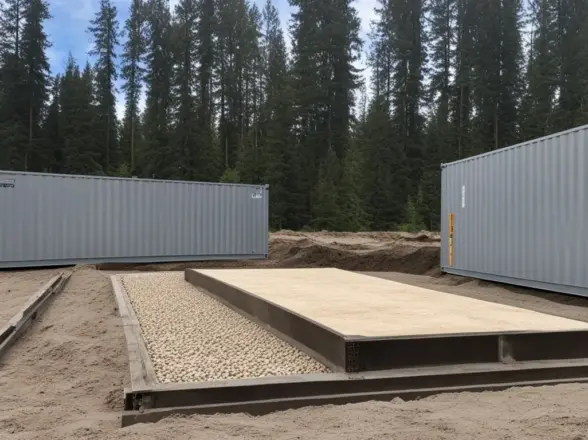
A strong foundation is important. It keeps the container stable and the growing area safe. A concrete slab or gravel base works well.
Insulation and Moisture Barrier Installation
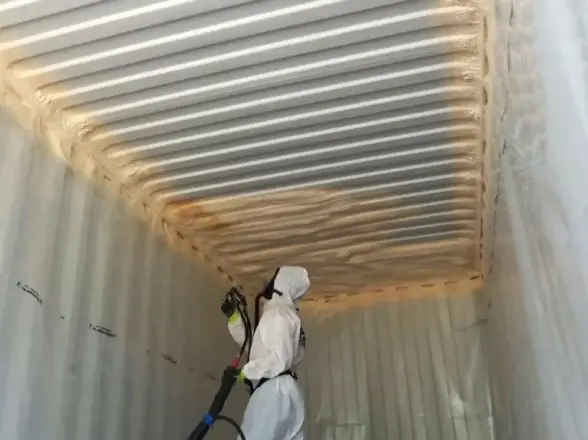
Good insulation keeps the temperature steady and saves on energy. Use spray foam or rigid foam for walls and the ceiling.
Wall Insulation Techniques
For walls, mix materials like fiberglass batts and foam boards. This mix helps keep the temperature right.
Floor and Ceiling Considerations
The floor and ceiling need extra care. Insulate the floor to keep heat in and moisture out. Make sure the ceiling is well-insulated too, to keep the temperature stable.
Electrical System Design and Installation
A good electrical system is key for lights, climate control, and more. Get a licensed electrician to make sure it’s safe and meets your needs.
Plumbing and Water Management Systems
A good water system is essential for keeping humidity right and watering your mushrooms. You might need misting systems, water tanks, and drainage.
Experts say a well-set-up mushroom farm in a shipping container is efficient and green. It offers a controlled space for growing mushrooms. By following these steps, you can make a productive and green mushroom farm.
Designing Your Shipping Container Mushroom Farms
To get the most out of your space, a well-designed mushroom farm is key. Good design is vital for your indoor farm’s success. It affects how much you can grow and how well you can run your operation.
Optimal Layout Planning
Planning your layout is crucial. Think about how materials, people, and air will move. A good layout helps you manage your farm well, from starting to harvesting.
Shelving Systems and Space Utilization
The shelving you pick is important for using space well. Vertical racking options let you grow more mushrooms in less space.
Vertical Racking Options
There are many vertical racking systems. Look at things like how easy it is to get to your mushrooms, air flow, and upkeep.
Material Considerations for Humid Environments
Mushroom growing needs high humidity. So, pick materials that can handle it. Durable, rust-resistant materials like stainless steel or PVC are best for shelves and tools.
Work Flow Optimization
Keeping your workflow smooth is key for saving time and money. Aim for a setup that cuts down on moving around and boosts output.
Separate Zones for Different Growth Stages
Having areas for each growth stage helps manage your farm better. This could mean different spots for preparing substrate, inoculating, incubating, and growing mushrooms.
With careful design, your mushroom farm can be very efficient and productive. This will help you succeed in the indoor agriculture world.
Creating the Ideal Growing Environment
To get the most out of mushroom growth, you need a controlled environment. This means managing temperature, humidity, air, and light.
Temperature Control Equipment and Strategies
Keeping the right temperature is key for mushrooms. They grow best between 55°F to 65°F (13°C to 18°C). You might need heating or cooling, depending on where you are and your mushrooms’ needs.
Humidity Generation and Management
Humidity is also crucial. Mushrooms need 80% to 90% humidity. Humidifiers help keep this level steady.
Humidifier Types and Placement
There are many humidifiers, like ultrasonic and evaporative ones. Pick the right one based on your space and humidity needs.
Condensation Management
Managing condensation is important. It stops water from dripping on mushrooms, which can harm them and lower yields.
Air Exchange and Filtration Systems
Good air exchange is vital. It removes old air and brings in oxygen. Fans and vents help. Filtration systems also keep air clean.
Lighting Requirements and Solutions
Mushrooms don’t need much light, but some is good. It helps them grow and stay healthy. LED grow lights are a good choice.
| Environmental Factor | Ideal Condition | Control Measures |
|---|---|---|
| Temperature | 55°F – 65°F (13°C – 18°C) | Heating/Cooling Systems |
| Humidity | 80% – 90% RH | Humidifiers |
| Air Exchange | Adequate ventilation | Fans and Ventilation Systems |
| Lighting | Low to moderate light | LED Grow Lights |
Substrate Preparation Techniques
The key to a healthy mushroom crop is in the substrate preparation. This step involves picking the right materials and methods. It’s crucial for the yield and quality of your mushrooms.
Selecting Base Materials
Choosing the right base materials is essential. You can pick from various organic materials, depending on the mushroom type you’re growing.
Agricultural By-products
Straw, corn cobs, and wood chips are great for mushroom cultivation. They’re often easy to find and cheap.
Supplementation for Enhanced Yields
To boost yields, add nutrient-rich materials like manure or compost. This gives your mushrooms the nutrients they need for growth.
Mixing and Hydration Methods
Mixing and hydrating the substrate right is key. You must mix the materials well and get the moisture just right.
| Substrate Material | Optimal Moisture Content |
|---|---|
| Straw | 70-80% |
| Wood Chips | 60-70% |
Sterilization and Pasteurization Approaches
Sterilization and pasteurization are vital in substrate prep. They kill off contaminants, creating a healthy space for your mushrooms.
Pressure Cooking Methods
Pressure cooking is a top method for sterilizing substrates. It heats the substrate to a high temperature under pressure, killing bacteria and fungi.
Steam Pasteurization Techniques
Steam pasteurization is another way to prep substrates. It uses steam to kill off contaminants without overheating the material.
Mastering the Inoculation Process
To grow mushrooms successfully, you must master the inoculation process. This step is when you add mushroom spores or spawn to the substrate. It starts the colonization process.
Understanding Spawn Types and Selection
The type of spawn you use is key to a successful mushroom crop. You can choose from plug spawn, sawdust spawn, and grain spawn. Each type works best with certain mushrooms and substrates.
Clean Room Setup for Contamination Prevention
Setting up a clean room is crucial to prevent contamination. It’s a sterile space where you can safely add spawn to the substrate. This keeps out harmful bacteria and fungi.
Inoculation Techniques and Best Practices
Using the right inoculation techniques is important for even growth. This includes
Spawn Rate Calculations
to get the right amount of spawn, and
Mixing Methods for Even Colonization
Incubation Management
After adding spawn, managing incubation is key. You need to keep the temperature, humidity, and light just right. This helps the mushrooms grow and eventually produce fruit.
Managing the Complete Cultivation Cycle
To get the best results, it’s key to know and manage the whole growing cycle. This means watching and controlling each step, from starting to picking.
Colonization Phase Monitoring
In the colonization phase, keeping the environment just right is vital. Watch the temperature, humidity, and CO2 levels closely. This helps the mycelium grow well.
Initiating and Managing Fruiting Conditions
To start fruiting, you need to change the environment. Temperature shock techniques can help mushrooms grow. Also, adjust the light and air to help them fruit well.
Temperature Shock Techniques
A quick drop in temperature can make mushrooms start fruiting. This trick works well for some types of mushrooms.
Light and Air Exchange Adjustments
More light and better air can also help mushrooms fruit. Make sure they have enough oxygen to grow well.
Harvesting Methods for Maximum Yield
Harvesting at the right time is crucial. Pick when they’re ready to get the best yield and quality.
| Stage | Environmental Conditions | Action |
|---|---|---|
| Colonization | High humidity, optimal temperature | Monitor and maintain conditions |
| Fruiting | Adjusted temperature, increased light | Implement temperature shock, adjust lighting |
| Harvesting | Ready for harvest | Pick mushrooms at optimal time |
Post-Harvest Handling and Storage
After picking, it’s important to handle and store mushrooms right. Keep them cool and dry to keep them fresh.
Scaling Your Shipping Container Mushroom Farm
Growing your mushroom farm in a shipping container is more than just making more mushrooms. You need a good plan to scale up. This means thinking about several important things to keep your farm running well and making money.
Production Planning and Scheduling
Planning your mushroom production is key when you’re growing. You need to schedule production cycles right to meet demand without wasting resources. This way, you can always have fresh mushrooms ready for your customers.
Expanding with Multiple Containers
When you need to make more mushrooms, adding more containers is a smart move. Think about how you’ll arrange your containers to use space well and work efficiently.
Layout Considerations for Multiple Units
When setting up multiple containers, make sure your layout helps staff and equipment move around easily. A good layout can cut costs and boost productivity.
Centralized vs. Distributed Systems
You can manage your containers in two ways: centralized or distributed. Centralized systems are easier to manage, but distributed systems offer more flexibility and backup.
Staffing and Training Requirements
As your farm gets bigger, you’ll need more skilled workers. It’s important to invest in training programs to help your team handle the extra work.
Automation Opportunities for Larger Operations
Bigger farms can save money and improve quality with automation. Think about using machines for tasks like controlling the climate, watering, and checking on the mushrooms to make your farm more efficient.
With the right planning and strategies, you can grow your mushroom farm in a shipping container. This way, you can meet more demand while keeping your farm profitable and sustainable in the city.
Implementing Sustainable Farming Practices
Using sustainable farming in your mushroom farm is good for the planet and makes your farm more efficient. As more people want eco-friendly food, using green methods can help you stand out.
Energy Efficiency Strategies
It’s important to use energy wisely in mushroom farming. Here are two main ways to do this:
Insulation Optimization
Good insulation keeps the inside of your container at a steady temperature. This means you don’t have to use as much energy for heating or cooling. Use top-notch insulation and make sure your container is tightly sealed.
LED Lighting Solutions
LED grow lights are great because they save energy and give mushrooms the light they need. You can adjust the light for each stage of growing, which helps your mushrooms grow better and uses less energy.
Water Conservation and Recycling
Managing water well is key in mushroom farming. Setting up a water recycling system can cut down your water use a lot. This means collecting and cleaning water used in growing mushrooms to use it again.
| Water Conservation Method | Description | Benefits |
|---|---|---|
| Water Recycling | Collecting and treating used water for reuse | Reduces water consumption, lowers operational costs |
| Drip Irrigation | Delivering water directly to the substrate | Minimizes evaporation, reduces waste |
Spent Substrate Repurposing
After you pick the mushrooms, you can use the leftover substrate for compost or animal food. This cuts down on waste and can even make you money.
Solar and Alternative Energy Integration
Think about using solar panels or other green energy sources to power your farm. This can greatly lower your use of fossil fuels and make your farm more eco-friendly.
Marketing and Selling Your Mushroom Products
Starting a mushroom farm in a shipping container is exciting. But, you must also focus on marketing and sales. How well you connect with customers will affect your farm’s success.
Identifying Profitable Market Channels
Finding the right places to sell your mushrooms is key. You need to know who your customers are and what they like.
Restaurant and Chef Relationships
Connecting with local restaurants and chefs can be very profitable. They often want to use fresh, local mushrooms in their meals.
Farmers Markets and Direct Sales
Selling at farmers markets and directly to people can also work well. It helps you build a loyal customer group and get feedback.
Building Your Brand Story
A strong brand story is vital to stand out. Talk about what makes your mushrooms special, like how they’re grown sustainably and are of high quality.
Packaging and Presentation Strategies
Good packaging and presentation can make your mushrooms more appealing. Choose eco-friendly options that match your brand’s values.
Value-Added Product Opportunities
Consider making products like dried mushrooms or mushroom-based sauces. This can grow your product range and attract more customers.
Financial Planning for Container Mushroom Farming
Creating a solid financial plan is key for container mushroom farming success. It’s important to understand the financial side to make smart choices.
Startup Costs Breakdown
Starting a mushroom farm in a shipping container requires an initial investment. This includes the container, climate control, substrate prep tools, and spawn. It’s crucial to budget these costs well to avoid financial trouble.
- Container purchase or rental
- Insulation and climate control systems
- Shelving and growing infrastructure
- Initial substrate and spawn
Operational Expenses and Management
Running a mushroom farm costs money for labor, utilities, and supplies. Managing these costs well is key to staying profitable.
Labor Cost Considerations
Labor costs can greatly affect your expenses. Good staffing and training can help keep labor costs down.
Utilities and Supplies Budgeting
It’s important to budget for electricity, water, and supplies like substrate and packaging. Using energy-efficient methods can cut down on utility bills.
Revenue Projections and Break-Even Analysis
Knowing when you’ll start making money is crucial. A break-even analysis shows when your income meets your costs.
Funding Sources and Grant Opportunities
Looking into different funding options can help start or grow your farm. Government grants, agricultural loans, and private investors are good places to look.
The future of agriculture is not just about growing crops; it’s about growing opportunities.
With good financial planning and exploring funding, your mushroom farm can thrive.
Troubleshooting Common Cultivation Challenges
When growing mushrooms indoors, facing challenges is normal. It’s key to solve these problems to get a good harvest. Keeping your setup clean and efficient is important for success.
Identifying and Addressing Contamination
Contamination is a big problem in mushroom growing. Keep things clean, use sterile tools, and watch your mushrooms closely. Common enemies include bacteria, mold, and pests. A good cleaning routine and HEPA filters can help a lot.
Environmental Control Issues
It’s vital to control temperature, humidity, and air flow. Climate-controlled environments help keep these factors stable. This ensures your mushrooms grow well.
Pest and Disease Management
Pests and diseases can ruin your mushroom crop. Watch for them often and use smart pest control. Beneficial insects can fight pests well.
Yield Optimization Strategies
To get more mushrooms, pick the right strain and make the best substrate. Different mushrooms grow differently, and the right mix can boost your harvest.
Strain Selection for Performance
Picking the right mushroom strain is essential. Some grow more or better in certain conditions.
Substrate Formulation Adjustments
Changing your substrate can also help. You might need to tweak the nutrients or pH levels.
Conclusion: The Future of Urban Mushroom Cultivation
Now you see how shipping container mushroom farms can change urban farming. They use controlled spaces and new farming ways to help our food system grow greener.
These farms are a smart choice for city farming. They let you grow mushrooms all year, with less harm to the planet. Think about adding them to your urban farming plans.
The future of growing mushrooms in cities is bright. With green practices and new tech, you can help make our food system better. You’ll play a key part in a more food-secure world.
FAQ
What is a shipping container mushroom farm?
A shipping container mushroom farm is a way to grow mushrooms indoors. It uses a shipping container as a controlled space. This space is set up to provide the best conditions for mushrooms to grow, like the right temperature and humidity.
What types of mushrooms are suitable for shipping container mushroom farms?
You can grow many types of mushrooms in these farms. This includes oyster, shiitake, and specialty mushrooms. The choice depends on what people want to buy, the growing conditions, and how complex you want the process to be.
What are the key factors in creating an optimal growing environment for mushrooms?
For mushrooms to grow well, you need to control the temperature, humidity, air, and light. Keeping these conditions just right is key for healthy mushrooms and high yields.
How do I manage the cultivation cycle for mushrooms in a shipping container?
Managing the cycle means watching and adjusting the environment. This includes keeping an eye on temperature, humidity, and light. You also need to prepare the substrate, inoculate, and manage incubation for successful growth.
What are the advantages of vertical growing in shipping container mushroom farms?
Vertical growing makes the most of space, increases yields, and is more efficient. It lets you grow more mushrooms in a smaller area, which is great for cities.
What are the most common challenges in mushroom cultivation, and how can I troubleshoot them?
Problems often include contamination, issues with the environment, and pests or diseases. To fix these, find the cause, take action, and adjust your methods to avoid future issues.
How can I implement sustainable farming practices in my shipping container mushroom farm?
To farm sustainably, focus on using less energy, saving water, and reusing spent substrate. Also, use solar and other alternative energy sources. These steps help reduce your farm’s environmental impact and make it more sustainable.
Shipping containers are so tough, they come with a 25-year warranty!
At Shipping Conex – Official Affiliate of Used Conex LLC you have the opportunity to get a FREE quote today and unlock the endless possibilities that shipping containers can bring to your storage space. By simply filling out a quick form on our website, you can take the first step towards transforming your cluttered storage area into a well-organized and efficient haven for your belongings.
What are the benefits of using shipping containers for mushroom farming?
Using shipping containers for mushroom farming has many benefits. They save space, control the climate, and can produce mushrooms all year. It’s also a green way to grow mushrooms, needing less land and resources.
How do I prepare a shipping container for mushroom cultivation?
To get a container ready, first pick the right size and type. Then, make it suitable for growing mushrooms. You’ll need to add insulation, electrical, and plumbing systems. Don’t forget to ensure good ventilation and air exchange.
How can I scale my shipping container mushroom farm?
To grow bigger, plan your production, add more containers, and train staff. Consider using automation to make things more efficient and save on labor costs.