

Shipping Conex
Blog
Buying a Shipping Container Online: How to Verify the Seller and Avoid Scams

Buying a shipping container online doesn’t have to be complicated. Whether you need extra storage for your home, a container for a construction site, or a secure space for business equipment, the process can be straightforward when you know what to look for.
But finding a good price is only part of the equation. You also need to know who you’re buying from, what condition your container will be in, how your payment is handled, and what happens between placing your order and receiving your delivery.
Some shipping container companies sell directly through their own websites. Others work with authorized sales representatives who help customers choose containers, get quotes, and complete purchases through an established supplier.
Both arrangements can be legitimate. What matters is transparency, verifiable business information, and clear purchase terms.
This guide walks you through the process of buying a shipping container online, including how to verify a seller, understand your invoice, avoid common mistakes, and prepare for delivery.
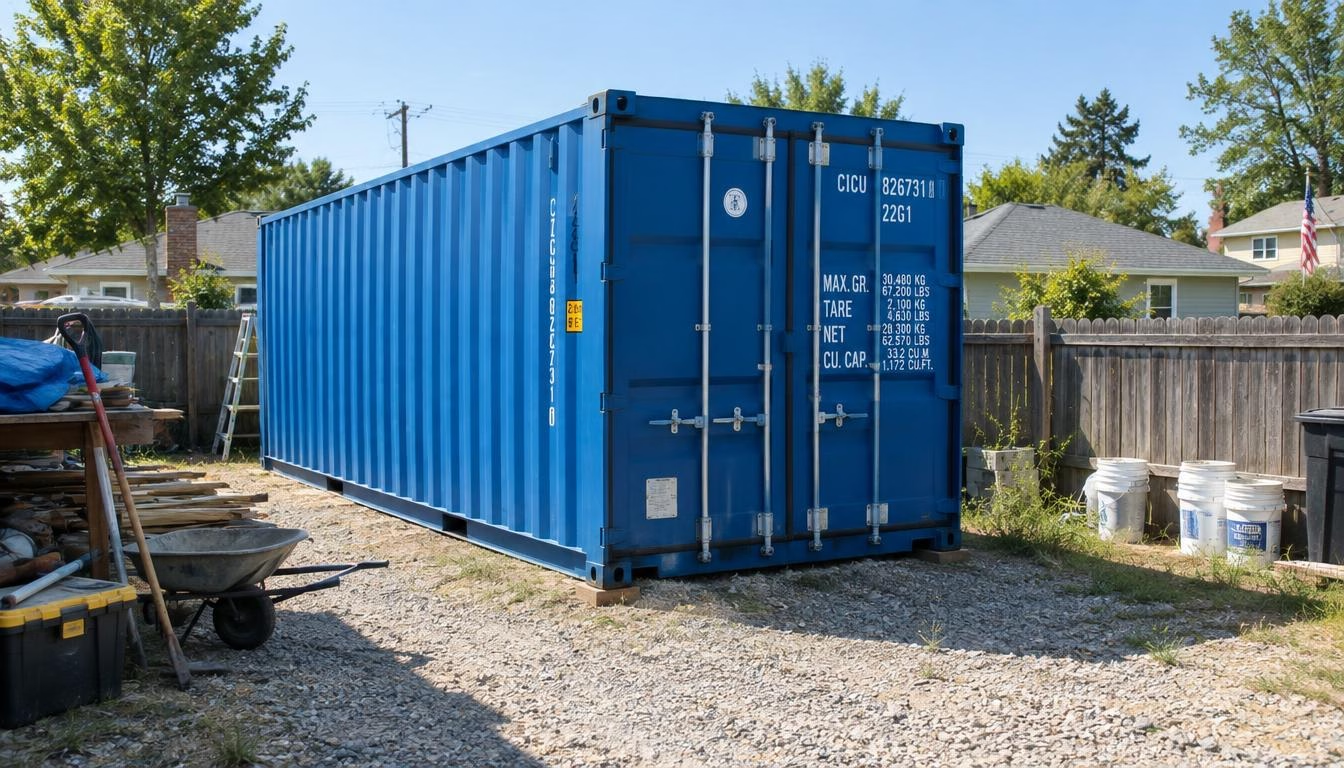
1. How to Buy a Shipping Container Online: A Safe Buying Sequence
A successful purchase starts with knowing exactly what you need and understanding how the order will be handled.
Here’s how the process typically works:
Step 1: Request a quote. Provide the container size you’re interested in, how you plan to use it, and your delivery ZIP code. This helps the sales representative check suitable options and provide pricing for your location.

Step 2: Confirm the container specifications. Review the size, height, condition grade, door configuration, and any special requirements before moving forward.
Step 3: Verify the seller and supplier. Find out whether you’re buying directly from the supplier or working with an authorized sales representative. Confirm the relationship through independent business information.
Step 4: Review your written quote. Make sure it includes the container specifications, delivery charges, and any other costs associated with your order.
Step 5: Check your official invoice and purchase terms. Verify the company issuing the invoice, the payment recipient, the total amount, and the applicable conditions.
Step 6: Complete payment through the approved process. Follow the instructions provided on the official invoice. Independently verify unexpected changes to payment details.
Step 7: Prepare for delivery and inspect your container. Make sure the delivery site is accessible and check the container against your order when it arrives.
Keeping your quote, invoice, payment confirmation, and related correspondence together gives you a useful record of the transaction.
Do not pay until the written order identifies the container, the responsible companies, the payment recipient, and the delivery plan.
2. Choose the Size and Condition That Fit Your Use
Before comparing prices, make sure you’re comparing containers that actually meet your needs.
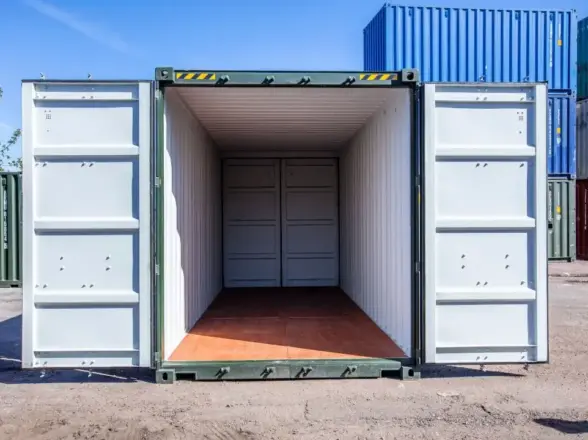
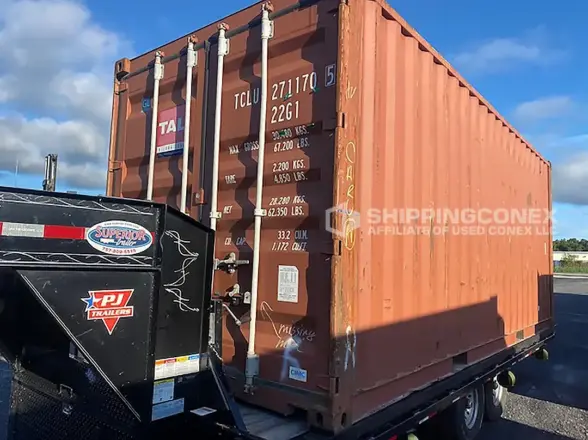
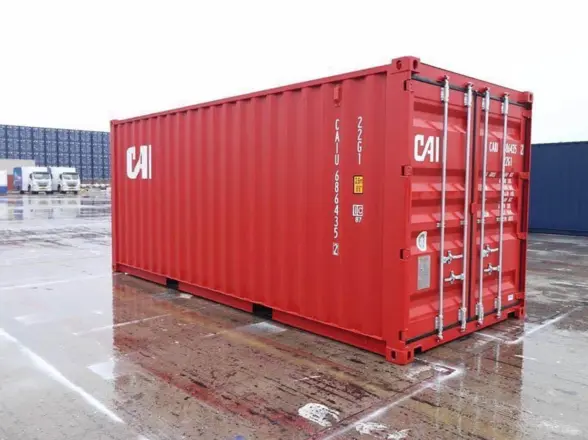
The most common sizes are 20-foot and 40-foot shipping containers. Standard-height containers are approximately 8 feet 6 inches tall externally, while high-cube containers are approximately 9 feet 6 inches tall.
That extra foot of height can make a difference when you’re storing tall equipment, installing shelving, or planning a container conversion.
A 20-foot container is often a practical choice for residential storage, smaller job sites, and projects with limited space. A 40-foot container offers substantially more storage capacity and can be more economical when you need a larger amount of space in a single unit.
However, the largest container isn’t automatically the best choice. A 40-foot container may be difficult to deliver to a property with a narrow driveway, limited turning room, or restricted access.
Understand the different container condition grades
Shipping containers are commonly sold in several condition categories. These grades describe their general condition and suitability for different uses, not their exact age.
| Container type | Typical use | What to verify |
|---|---|---|
| One-trip | Newer-looking storage, commercial projects, and other applications | Condition, specifications, and available configurations |
| Cargo-worthy (CW) | Cargo transport and storage | Transport suitability, inspection requirements, and current condition |
| Wind-and-water-tight (WWT) | Residential, agricultural, and commercial storage | Weather resistance, doors, seals, flooring, and overall condition |
One-trip containers are generally manufactured overseas and used for one cargo trip before being offered for resale. They’re popular with customers who want a newer-looking container with less wear.
Cargo-worthy containers are intended to meet applicable cargo transport condition requirements. If you plan to use a container for international shipping, confirm the required inspection and CSC approval status rather than assuming the cargo-worthy label alone is sufficient.
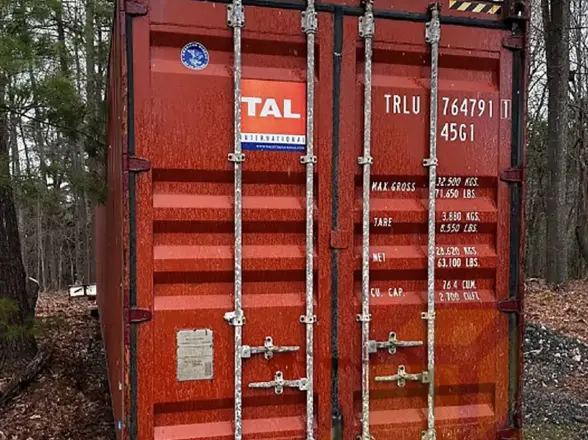
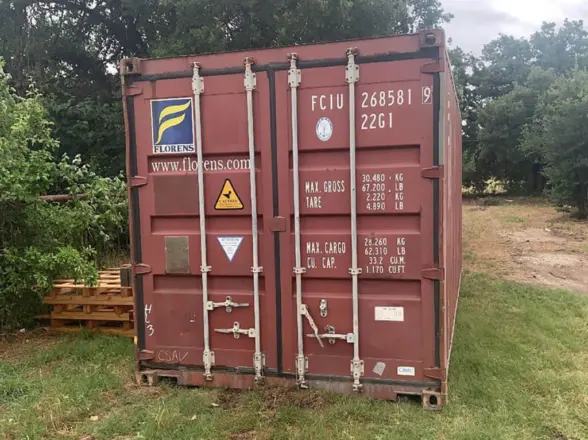
Wind and watertight containers are commonly purchased for stationary storage. They may have surface rust, dents, scratches, patches, and other signs of previous use while still meeting the seller’s stated condition standards.
Because grading practices can vary, ask how the supplier defines the specific grade you’re purchasing.
Can you see photos of the actual container?
This is an important question, especially when purchasing a used unit.
Depending on inventory and availability, a supplier may provide photographs of the actual container or representative images showing the general condition grade.
Don’t assume that a listing photo shows the exact unit you’ll receive.
Ask whether individual container photos are available and confirm what the advertised condition grade includes.
If the supplier sells from available inventory rather than allowing customers to select an individual unit, make sure the agreed specifications and condition standards are clearly documented.
The condition of a used container matters more than a general estimate of how many years it might last. Previous use, maintenance, climate, drainage, and corrosion all affect its service life.
3. How Can You Verify the Seller and Its Authorization?
One of the most important steps in buying a shipping container online is identifying the business responsible for your purchase.
A professional website is helpful, but appearance alone doesn’t establish a company’s legitimacy.
Start by checking its business information and understanding whether it sells containers directly or represents another supplier.
Check independent business records
There are several useful places to research a shipping container supplier.
Better Business Bureau (BBB)
The BBB provides business profiles that may include accreditation status, customer reviews, complaints, and other business information.
Check the exact company named in the profile. A supplier’s accreditation should not be confused with a separate accreditation for an independent sales website.
State business registration
Search the appropriate Secretary of State or state corporation database to confirm the legal business name and available registration details.
For Florida businesses, you can use the official Florida Division of Corporations (Sunbiz).
An active registration can help verify the business’s legal identity, but registration alone doesn’t guarantee product quality or customer satisfaction.
Dun & Bradstreet
The Dun & Bradstreet Business Directory provides company information that can help you cross-check business names, addresses, and other identifying details.
Remember that a business directory listing is not necessarily an accreditation or independent guarantee of performance.
What if the website name and invoice name are different?
Different business names don’t automatically mean something is wrong.
Some companies use trade names, while others work with authorized dealers, independent sales representatives, or affiliate sales websites.
For example, you might request a shipping container quote through one website but receive an invoice directly from the supplier responsible for fulfilling your order.
The important questions are:
- Is the relationship between the sales website and supplier clearly explained?
- Can you independently verify the supplier’s identity?
- Does the invoice identify the company receiving payment?
- Do you know which company is responsible for delivering your container and handling applicable warranty claims?
If those details are clear and consistent, a different website name and invoice name are not, by themselves, warning signs.
Verify the authorization independently
If a website claims to be an authorized sales representative of a particular supplier, you can contact that supplier directly to confirm the relationship.
Use contact information obtained from the supplier’s official website rather than relying solely on a phone number in an unsolicited email or advertisement.
This is particularly useful when you haven’t worked with either company before.
4. Buying Through an Authorized Sales Representative: How Shipping Conex Works
Buying through an authorized sales representative is a common business arrangement.
Sales representatives help customers understand their options, compare products, obtain pricing, and move through the purchasing process. The supplier may handle invoicing, payment processing, inventory, and delivery.
Shipping Conex is an authorized sales affiliate of Used Conex LLC.
Through Shipping Conex, customers can request quotes, discuss container options, and receive assistance with their purchases.
Used Conex LLC is the supplier responsible for invoicing, processing payments, fulfilling orders, and coordinating deliveries.
Here’s how the responsibilities are divided:
| Part of the process | Responsible company |
|---|---|
| Product information and sales assistance | Shipping Conex |
| Quote assistance and purchasing support | Shipping Conex |
| Official invoicing and payment processing | Used Conex LLC |
| Order fulfillment and delivery coordination | Used Conex LLC |
| Product warranty administration and applicable refund processing | Used Conex LLC, under its purchase terms |
This arrangement allows customers to receive personalized assistance while purchasing through the supplier’s established order process.
How can you verify the relationship?
Shipping Conex openly identifies its affiliation with Used Conex LLC.
Customers can independently review the supplier’s business information through the following resources:
- Used Conex LLC – Official Website
- Used Conex – BBB Business Profile
- Used Conex LLC – Dun & Bradstreet Business Directory
- Florida Division of Corporations
These records relate to Used Conex LLC, the supplier, and should not be interpreted as separate business credentials or accreditation held by Shipping Conex.
Customers may also contact Used Conex LLC through its official website to verify the sales relationship.
The goal is simple: You should know who you’re talking to, who you’re paying, and who is responsible for fulfilling your order before committing to a purchase.
5. What Should Your Shipping Container Quote and Invoice Include?
A container advertised at an attractive price isn’t necessarily the least expensive option once delivery and other requirements are included.
Container prices depend on size, condition, location, availability, and market conditions. Delivery charges can vary considerably depending on the distance from the supplying depot and the accessibility of your property.
For meaningful comparisons, ask for the total delivered price.
Review the full quote
A useful written quote should clearly identify the main details of your order.
| Quote detail | Why it matters |
|---|---|
| Container size | Confirms you’re comparing 20-foot, 40-foot, or other appropriate options |
| Standard or high cube | Establishes the container’s height and storage capacity |
| Condition grade | Defines the general condition you’re purchasing |
| Delivery location | Helps determine freight charges and availability |
| Delivery arrangement | Clarifies how the container will be transported and unloaded |
| Total price | Shows the agreed costs and applicable charges |
If you have unusual delivery requirements, discuss them before ordering.
For example, a quote for a standard residential delivery may not account for special lifting equipment, difficult access, or additional services.
Compare your invoice with the final quote
Before paying, review the official invoice and confirm that the agreed container specifications, delivery address, pricing, and payment instructions are correct.
If something doesn’t match, ask for clarification or a corrected invoice before completing payment.
For Shipping Conex customers, official invoices are issued through Used Conex LLC.
This is an important distinction because the invoice identifies the supplier handling the purchase, even when your initial inquiry was made through Shipping Conex.
6. Understand Payments, Warranties, Cancellations, and Refunds
Before purchasing a shipping container, take a few minutes to review the terms that apply to your order.
This step is just as important as verifying the business itself.
Confirm who receives your payment
Follow the payment instructions on your official invoice and verify the identity of the intended recipient.
Be especially cautious if someone unexpectedly asks you to redirect payment to a different account or use an unfamiliar payment method.
If payment instructions change, contact the supplier through an independently verified phone number or website before sending money.
Payment methods also offer different levels of protection. Some credit-card transactions may qualify for dispute procedures, while certain transfers can be difficult or impossible to reverse.
No payment method guarantees a refund in every situation, so understand the available protections before paying.
Read the warranty carefully
A warranty should explain what is covered, which company provides the coverage, how claims are submitted, and what exclusions apply.
A long warranty period does not automatically mean that every issue qualifies for a replacement container or a full refund.
For example, a leak warranty may provide a specific repair remedy rather than replacing the entire unit.
The details matter more than the headline warranty period.
Understand cancellation and return conditions
Shipping container purchases can involve transportation planning, inventory allocation, and other costs.
Depending on the supplier’s terms and the circumstances, cancellation fees or return shipping charges may apply.
A return policy may also cover only specific situations rather than allowing an unconditional return simply because a buyer changes their mind.
Before paying, check what happens if you need to cancel, postpone delivery, or report a container that doesn’t match the agreed condition.
For purchases fulfilled by Used Conex LLC, review the company’s official Terms and Conditions, including its warranty, cancellation, return, and delivery provisions.
Shipping Conex provides sales assistance but does not independently issue product warranties, authorize refunds, or modify the supplier’s purchase terms.
If any provision is unclear, ask for an explanation before completing your purchase.
7. Why Real Delivery Videos and Customer Experiences Matter
Customer reviews and delivery footage can provide useful insight into a shipping container seller.
A review that describes the ordering process, communication, and actual delivery is generally more informative than a short statement saying a company is great.
Likewise, an authentic delivery video can show how a container is unloaded, what equipment is involved, and what a real delivery looks like.
Look beyond polished marketing photos
A shipping container website may feature professional images that show the products it offers. Those images can be helpful, but they’re not the same as evidence of an actual completed delivery.
When reviewing customer experiences, look for meaningful details:
- Does the feedback describe an actual purchase?
- Is the experience reasonably identifiable and authentic?
- Does the delivery footage show the equipment and container involved?
- Is it clear which business handled the sale or delivery?
Keep in mind that even genuine positive reviews cannot guarantee that every future order will go perfectly.
See how actual deliveries work
Want to see what real shipping container deliveries look like? Visit our Shipping Conex Facebook page, where we share photos and videos from actual container deliveries, along with feedback from customers we’ve worked with. See the containers, watch the delivery process, and get a better idea of what to expect when ordering through Shipping Conex.
Shipping Conex features real shipping container delivery footage and customer experiences.
These videos give prospective buyers a chance to see containers being delivered and hear directly from customers who have completed purchases.
They can also help first-time buyers better understand the space and preparation required for delivery.
Customer experiences are valuable, but they work best alongside verifiable business information, clear quotes, and written purchase terms.
A trustworthy buying decision should never depend on marketing claims alone.
8. Prepare Your Property Before Delivery Day
Even when you’ve chosen the right container and a legitimate supplier, poor site preparation can create expensive problems.
Shipping containers are heavy, and delivery trucks need sufficient space to approach, maneuver, and unload safely.
A property may have enough room for the container itself but still lack the clearance required by the delivery truck.
Check the delivery route
Before ordering, think about how the truck will reach the placement area.
Pay particular attention to narrow driveways, tight turns, overhead power lines, low tree branches, steep grades, soft ground, and other obstacles.
The required clearance depends on the container size, trailer type, and delivery method.
If you’re unsure whether your property is suitable, send photographs or a video of the access route and intended placement area to your sales representative or supplier.
Don’t assume a truck can make a difficult turn or maneuver simply because the container will fit once it’s on the ground.
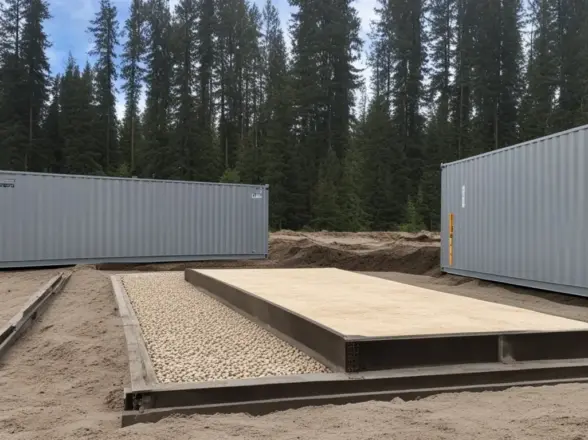
Prepare a stable placement area
The container should be placed on firm, reasonably level ground with suitable support and drainage.
A full concrete slab isn’t always necessary for basic storage. Depending on the site, properly prepared gravel, concrete supports, or other suitable materials may be appropriate.
Avoid placing a container where water regularly collects or where soft ground could cause it to shift or sink.
For permanent installations, occupied conversions, or other specialized uses, check local zoning, building, and foundation requirements.
Understand the delivery method
A tilt-bed trailer can unload a shipping container by lowering it onto the prepared area.
A conventional flatbed generally requires separate lifting equipment, such as a suitable forklift or crane, unless another unloading arrangement has been made.
Confirm the delivery method and who is responsible for any additional equipment before placing your order.
For more information, review the official Used Conex Delivery Guidelines.
Inspect your container when it arrives
Arrange to be present during delivery, or have someone you trust available to inspect the container on your behalf.
Before signing the delivery acceptance paperwork, check the container against your order and look for significant issues.
Pay attention to the doors, seals, roof, flooring, visible structural condition, and any specifications that were agreed upon.
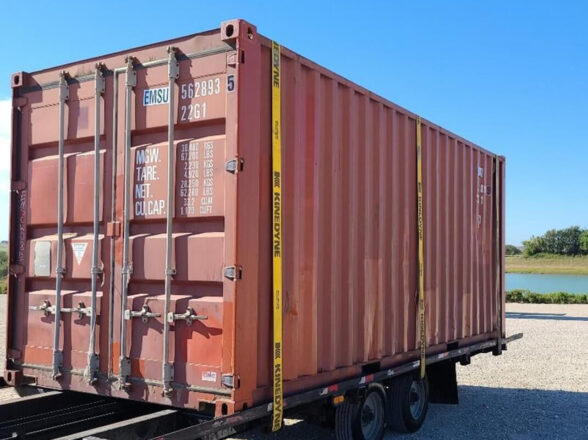
Used containers commonly show cosmetic wear, so distinguish normal dents, scratches, and surface rust from damage that may conflict with the purchased condition grade.
If you notice a problem, document it with photos or video and immediately follow the supplier’s inspection and reporting procedures.
For Used Conex LLC orders, the Proof of Delivery and applicable purchase terms explain important inspection and acceptance responsibilities.
9. Warning Signs to Watch for Before Paying
You don’t need to be a shipping container expert to recognize when a transaction deserves closer attention.
Some warning signs are straightforward. Others require a little more investigation.
Be cautious when:
- A seller won’t clearly identify the company responsible for your purchase.
- You cannot verify the claimed relationship between a sales website and its supplier.
- Payment instructions unexpectedly change or direct you to an unrelated personal account.
- The advertised price seems unusually low and the seller won’t explain what’s included.
- You’re pressured to pay before receiving a written quote or reviewing the invoice.
- Product descriptions, warranty promises, or refund claims conflict with the actual purchase terms.
- The seller cannot explain how delivery will be arranged or what happens if a problem occurs.
None of these details should be evaluated without context.
For example, a recently registered website isn’t automatically fraudulent. Neither is a website operated by an independent sales representative.
What matters is whether the business relationship can be verified and whether the seller provides accurate, consistent information about the transaction.
A legitimate sales arrangement should make it easier to understand who is responsible for each part of your purchase, not leave you guessing.
A disclosed sales relationship can be legitimate, but transparency, verifiable business information, clear terms, secure payment arrangements, and accountability still matter.
10. A Few Questions Worth Asking Before You Place Your Order
Whether you’re buying through Shipping Conex or another container seller, don’t hesitate to ask direct questions.
Before making your final decision, make sure you understand:
Who is issuing my invoice?
Know the legal business name of the company handling your purchase.
What exactly am I buying?
Confirm the size, configuration, condition grade, and any agreed specifications.
Is the advertised photo the actual container?
Understand whether you’re viewing a specific unit or a representative example.
What’s included in the delivered price?
Verify transportation charges, unloading arrangements, and any additional fees.
What happens if there’s a problem?
Read the inspection, warranty, cancellation, and return procedures.
Can my property accommodate delivery?
Confirm truck access, clearance, ground conditions, and placement requirements before scheduling.
A seller who communicates clearly should be able to help you find the answers to these questions.
You don’t need a complicated buying process. You need accurate information and a clear understanding of what you’re agreeing to.
Conclusion: Buy With Confidence, Not Guesswork
Buying a shipping container online can be a convenient way to find the storage solution you need, compare available options, and arrange delivery without visiting multiple container yards.
The key is doing a little homework before making a purchase.
Verify the supplier, understand the role of any authorized sales representative, compare complete delivered quotes, and review the official invoice and purchase terms.
Just as importantly, choose a container that fits your needs and make sure your property is ready for delivery.
At Shipping Conex, we help customers navigate these decisions with straightforward information, personalized sales assistance, and access to shipping containers supplied through Used Conex LLC.
Whether you’re looking for a 20-foot storage container, a 40-foot unit for your business, or a high-cube container with additional space, we’re here to help you understand your options.
FAQ
Is it safe to buy a shipping container online?
Yes, buying a shipping container online can be safe when you know who you’re dealing with. Verify the supplier, review the full delivered price, and make sure you understand the payment, delivery, warranty, and cancellation terms before placing an order. A legitimate-looking website alone isn’t enough. The business and transaction details should be verifiable.
Is it legitimate to buy a shipping container through an authorized sales representative?
Absolutely. Authorized sales representatives help customers choose products, get quotes, and place orders on behalf of suppliers. This is a common business model across many industries. What matters is transparency. You should know which company you’re working with, who will process your payment, and who is responsible for fulfilling your order.
Why does my invoice say Used Conex LLC instead of Shipping Conex?
Shipping Conex is an authorized sales affiliate of Used Conex LLC. We assist customers with container information, pricing, quotes, and the purchasing process. Used Conex LLC is the supplier that issues invoices, processes payments, and handles order fulfillment and delivery coordination. That’s why your official invoice comes from Used Conex LLC rather than Shipping Conex.
How can I verify that Shipping Conex is an authorized sales affiliate?
Shipping Conex openly identifies its relationship with Used Conex LLC. You can review the supplier’s business information through official registration records and independent business directories. You can also contact Used Conex LLC directly through its official website, usedconex.com, to verify our relationship.
Can I see photos of the exact shipping container before buying?
That depends on inventory and photo availability. Some listings may show representative containers rather than the exact unit you’ll receive. Before purchasing, ask whether the photos show the actual container or an example of the condition grade being offered. Make sure the container size, type, condition, and relevant specifications are clearly stated in your quote and invoice.
Who handles payments, warranties, and refunds when I order through Shipping Conex?
Used Conex LLC processes payments and fulfills shipping container orders placed through Shipping Conex. Product warranties, cancellation policies, and refund eligibility are governed by the applicable Used Conex LLC purchase terms. Shipping Conex assists with the sales process but does not independently issue product warranties or process refunds.
You can review the official terms at https://usedconex.com/terms-and-conditions/.
What should I check before paying for a shipping container?
Confirm the container size, condition grade, total delivered price, delivery location, and the company named on your invoice. Read the applicable warranty, cancellation, and refund terms. Make sure payment instructions are consistent with the official invoice, and verify any unexpected changes directly with the supplier before sending money.
What should I do if my shipping container arrives damaged or doesn’t match my order?
Inspect the container upon delivery, document any concerns with photos, and promptly report discrepancies to Used Conex LLC. Follow the inspection, delivery acceptance, and claim procedures in your purchase agreement. Available remedies depend on the circumstances and applicable terms, so don’t assume every issue automatically qualifies for a return, replacement, or refund.
Ready to get started?
Request a shipping container quote from Shipping Conex and let us know what you’re looking for and where you need it delivered.